




When shopping for new bedding, many people often become confused by terms like duvet, comforter, quilt, blanket, and duvet cover. While these bedding products may look similar at first glance, they all serve different purposes and offer different levels of warmth, comfort, and convenience. Understanding the duvet vs comforter comparison can help you make a smarter investment for your bedroom and improve your overall sleep quality.
In the UK, duvets are far more common, while comforters are traditionally associated with American bedding styles. However, modern homeowners are now exploring both options to create stylish, comfortable, and practical sleeping spaces. Whether you are redesigning your bedroom, upgrading your bedding for winter, or simply trying to understand what is a duvet vs comforter, this detailed guide from Dtex Homes will help you make the right choice.
We will explain the meaning of a duvet, the definition of a comforter, the differences between quilts and duvets, tog ratings, warmth levels, and which bedding option is best suited for UK homes and weather conditions.
Introduction to Duvets and Comforters
Why Many People Confuse a Duvet and Comforter
One of the main reasons people confuse a comforter vs duvet is because both are thick bedding layers designed to keep sleepers warm and comfortable. From a distance, they can appear almost identical on a bed.
In many countries, especially the United States, the term comforter is commonly used for thick decorative bedding. In the UK and across Europe, the term duvet is far more popular. This difference in regional terminology often creates confusion for shoppers browsing bedding online.
Common Bedding Terms That Often Get Mixed Up
- Duvet
- Comforter
- Quilt
- Blanket
- Bedspread
- Duvet cover
- Quilt blanket
- Bed comforter
Understanding Regional Bedding Preferences
In the UK, most homes prefer using a duvet with a washable duvet cover because it is easier to maintain and more adaptable to seasonal temperature changes. In contrast, American-style bedrooms often feature decorative comforters layered with additional sheets and blankets.

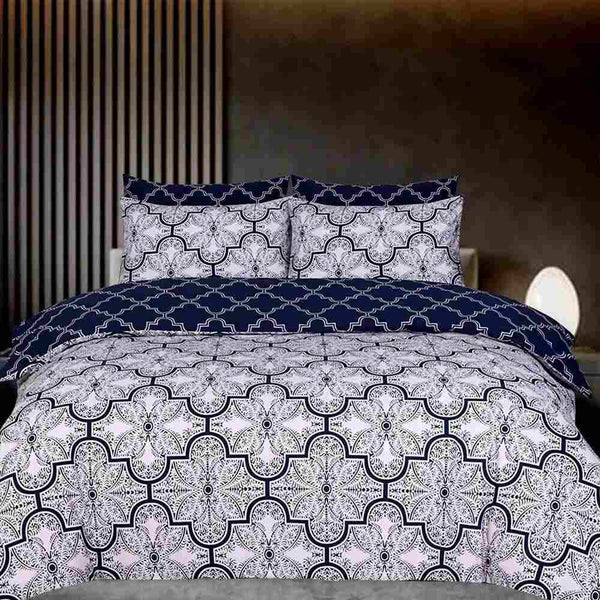

Understanding Modern Bedding Terms in the UK
What Does the Word Duvet Mean?
The word duvet comes from the French language and means “down” or soft filling. A duvet is a soft insert filled with down, feathers, wool, cotton, microfiber, or synthetic fibers. It is designed to be used with a removable cover.
Many people search for:
- Duvet definition
- Define duvet
- What is duvet?
- Definition of a duvet
All of these terms refer to the same bedding product commonly used in UK bedrooms.
What Does Comforter Mean?
A comforter is a thick quilted blanket filled with insulating material and stitched together as one complete piece. Unlike a duvet, a comforter usually does not require a removable cover.
Popular search phrases include:
- What is comforter?
- Comforter meaning
- Define comforter
- What is a bed comforter?
Why Choosing the Right Bedding Matters for Comfort and Sleep Quality
Your bedding directly affects your comfort, sleep hygiene, body temperature, and overall sleeping experience. Choosing between a duvet or blanket, quilt, or comforter is not only about style — it is also about practicality and sleep performance.
Temperature Regulation and Warmth
One major factor in the duvet vs comforter debate is warmth control. Duvets are available in different tog ratings, allowing users to choose lighter bedding for summer and thicker options for winter.
Comforters, on the other hand, are often designed with a fixed warmth level. This can sometimes make them less flexible during seasonal weather changes in the UK.
Hygiene and Maintenance
A duvet cover can be removed and washed regularly, making it easier to maintain hygiene and cleanliness. Since comforters are bulkier and usually one complete unit, they may require professional cleaning or large-capacity washing machines.
Bedroom Appearance and Style
Both duvets and comforters can create beautiful bedroom aesthetics. However, duvets offer more styling flexibility because changing the cover instantly changes the appearance of the bed without replacing the entire duvet insert.
How Dtex Homes Helps UK Homeowners Find the Perfect Bedding
Dtex Homes provides high-quality bedding solutions designed specifically for modern UK homes. Whether you are searching for luxury duvets, soft duvet covers, warm comforters, or breathable cotton bedding, choosing the right material and design can dramatically improve your sleeping environment.
Why UK Customers Choose Dtex Homes
- Premium bedding materials
- Comfortable and breathable fabrics
- Stylish modern bedding collections
- Durable products designed for UK weather
- Affordable luxury bedding solutions
By understanding the difference duvet vs comforter, homeowners can select bedding that fits their lifestyle, sleeping habits, and bedroom design preferences.
What Is a Duvet?

Duvet Definition and Meaning Explained
A duvet is a soft bedding insert filled with materials such as down, feathers, microfiber, cotton, or synthetic fibers. It is designed to provide warmth without requiring multiple heavy blankets layered on the bed.
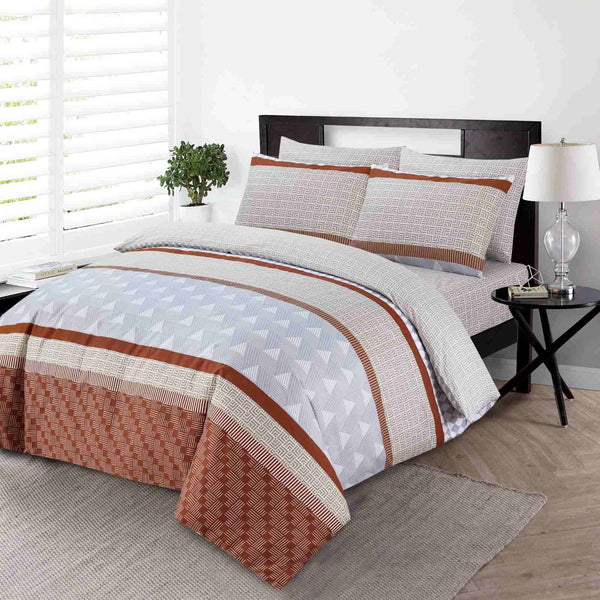
The duvet is usually protected by a removable duvet cover, which functions similarly to a pillowcase. This combination creates what is commonly known as the “duvet system.”
Key Features of a Duvet
- Soft insulated filling
- Used with a removable cover
- Available in multiple tog ratings
- Easy to customize for seasons
- Popular across the UK and Europe
Types of Duvet Fillings
Duvets are available with several filling options:
- Duck down
- Goose feather
- Microfiber
- Hollowfibre
- Cotton filling
- Wool blends
What Is a Duvet Cover and Why Is It Important?
A duvet cover is a protective fabric cover that wraps around the duvet insert. It helps keep the duvet clean while also improving bedroom style and hygiene.
Benefits of Using a Duvet Cover
- Easy to remove and wash
- Protects the duvet from dust and stains
- Allows seasonal style changes
- Improves hygiene
- Extends the lifespan of the duvet
All these phrases refer to the removable outer fabric layer that protects the duvet insert.
How a Duvet Works on a Bed
The duvet sits on top of the fitted sheet and acts as the primary source of warmth on the bed. Unlike traditional layered bedding systems, a duvet simplifies bed-making because it combines warmth and comfort into one piece.
The Modern Duvet Bedding System
A complete duvet setup usually includes:
- Fitted sheet
- Pillows and pillowcases
- Duvet insert
- Duvet cover
This minimalist bedding style is especially popular in modern UK homes because it looks clean, luxurious, and practical.

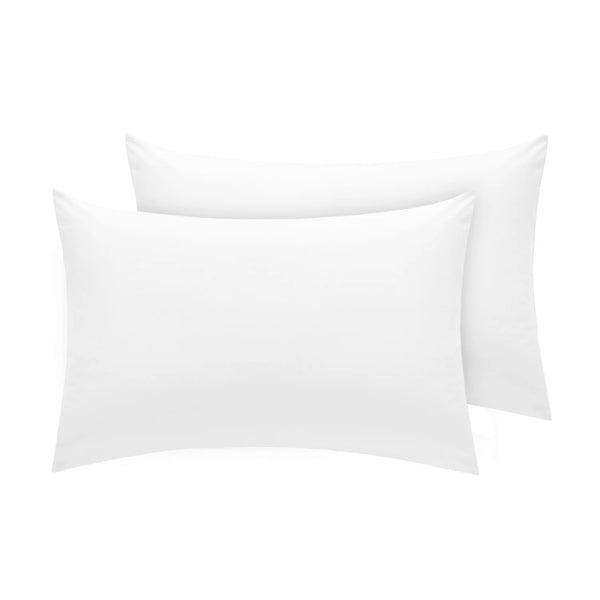
Common Duvet Materials Used in UK Bedding
The material inside and outside a duvet affects comfort, breathability, durability, and warmth.
Cotton Duvets: Cotton duvets are breathable, soft, and ideal for people who prefer natural bedding materials.
Microfiber Duvets: Microfiber duvets are lightweight, affordable, and commonly used in modern bedding collections.
Feather and Down Duvets: These duvets provide luxurious softness and excellent insulation during colder months.
Hypoallergenic Duvets: Synthetic fillings are often recommended for allergy sufferers because they resist dust mites and allergens more effectively.
Understanding Tog Ratings and Warmth Levels
The term tog measures the warmth and thermal insulation of a duvet. Higher tog ratings provide greater warmth.
Common Tog Ratings in the UK
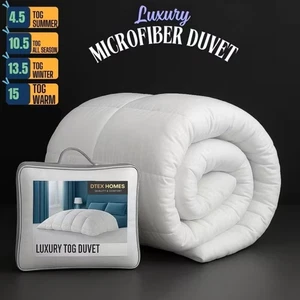
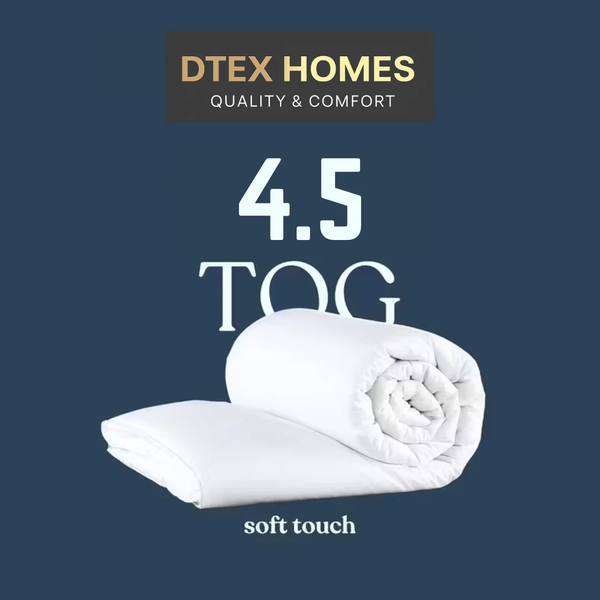
- 4.5 Tog – Summer use
- 7.5 Tog – Spring and autumn
- 10.5 Tog – All-season comfort
- 13.5 Tog – Winter warmth
Understanding tog ratings helps homeowners choose bedding suitable for UK seasonal temperatures.
Why Duvets Are Popular Across the UK and Europe
Duvets have become the preferred bedding choice across Europe because they are practical, hygienic, and versatile.
Main Reasons People Prefer Duvets
- Easy maintenance
- Customizable warmth
- Stylish appearance
- Lightweight comfort
- Better hygiene with washable covers
The growing popularity of luxury bedroom styling and hotel-inspired interiors has also increased demand for premium duvets in UK homes.
What Is a Comforter?

Comforter Meaning and Definition
A comforter is a thick quilted bedding layer filled with insulating material and stitched together into one complete unit. Unlike a duvet, it is generally designed to be used without a separate cover.
Main Characteristics of a Comforter
- Decorative stitched exterior
- Integrated filling
- Ready-to-use bedding
- Often thicker and fluffier in appearance
What Is a Comforter for a Bed?
A comforter is placed on top of bed sheets and serves as both a decorative and warming bedding layer. Many American-style bedroom setups use comforters as the centerpiece of the bed design.
Where Comforters Are Commonly Used
- Hotels
- Guest bedrooms
- Modern decorative bedrooms
- Cold-weather bedding setups
How a Comforter Is Different From Traditional Blankets
Unlike regular blankets, comforters are thicker and filled with insulating materials designed specifically for warmth and softness.
Blanket vs Comforter
- Blankets are thinner
- Comforters contain internal filling
- Comforters provide greater insulation
- Blankets are often layered with other bedding
Common Comforter Materials and Fillings
Comforters are available in a wide variety of materials and fillings to suit different comfort preferences.
Popular Comforter Materials
- Cotton
- Polyester
- Cotton-polyester blends
- Microfiber
- Down alternative filling
Choosing the Right Filling
People who prefer lightweight bedding often choose microfiber comforters, while those seeking luxury softness usually prefer down-filled options.
Why Comforters Are Popular in Western Bedding Styles
Comforters became popular because they combine decorative appeal with warmth in one single product. Many people appreciate the convenience of not needing a separate duvet cover.
Benefits of Comforters
- Simple ready-made appearance
- Decorative bedroom styling
- Warm and cozy feel
- Suitable for layered bedding looks
Types of Comforters Available for Different Sleeping Needs
Modern comforters come in different styles, thickness levels, and materials.
Lightweight Comforters
Suitable for warmer climates or summer use.
Heavy Winter Comforters
Designed for maximum insulation during colder months.
Hypoallergenic Comforters
Ideal for allergy-sensitive sleepers and family homes.
Luxury Hotel-Style Comforters
These oversized comforters create a premium, plush bedroom appearance often seen in high-end hotels.
Duvet vs Comforter – What’s the Main Difference?

When comparing a duvet vs comforter, many shoppers initially believe they are exactly the same. Both are designed to provide warmth, softness, and comfort during sleep, but there are several important differences that affect maintenance, appearance, durability, and long-term value.
Understanding the duvet and comforter difference is especially important for UK homeowners who want bedding that suits changing weather conditions, modern bedroom styling, and easy day-to-day maintenance.
At Dtex Homes, we help customers across the UK choose bedding that matches their sleeping habits, lifestyle, and comfort preferences. Whether you prefer a minimalist duvet setup or a decorative comforter style, knowing the differences can help you invest wisely.
Structure and Design Differences
The biggest difference between a duvet comforter vs comforter setup lies in how the bedding is constructed.
How a Duvet Is Designed
A duvet is essentially a soft insert filled with insulating materials such as microfiber, feather, cotton, wool, or down. It is specifically made to fit inside a removable duvet cover.
Main Components of a Duvet System
- Duvet insert
- Removable duvet cover
- Corner ties or fastening buttons
- Washable exterior layer
This design allows homeowners to change the outer appearance of the bed without replacing the actual duvet insert.
How a Comforter Is Constructed
A comforter is manufactured as one complete bedding piece. The outer fabric and internal filling are stitched together permanently, creating a quilted design.
Key Characteristics of Comforters
- Integrated stitched filling
- Decorative outer surface
- No removable cover required
- Ready-to-use bedding design
This is one reason why many people search for what is a comforter or comforter meaning when shopping for modern bedding online.
Why Structure Matters in Daily Use
The structural differences between a duvet and comforter affect everything from washing and storage to styling flexibility and seasonal use. Duvets offer more customization, while comforters offer convenience and simplicity.
Duvet Cover vs Comforter Exterior Finish
The outer appearance of bedding has a major impact on bedroom aesthetics. One of the biggest differences in the duvet cover and comforter difference comparison is how the exterior layer functions.
Duvet Covers Provide Flexible Styling
A duvet cover acts as a protective outer layer that can easily be removed and replaced. This means homeowners can refresh the entire bedroom look simply by changing the cover design.
Benefits of Duvet Covers
- Easy to wash regularly
- Available in countless colours and patterns
- Protects the duvet insert
- Makes seasonal bedroom styling easier
- Reduces wear on the duvet itself
Comforters Have a Permanent Exterior
Unlike duvets, comforters already include their decorative outer fabric stitched into the design. While this creates a neat ready-made appearance, it also means the entire comforter must be cleaned when stains or dust build up.
Appearance Differences Between Duvets and Comforters
| Feature | Duvet | Comforter |
|---|---|---|
| Exterior Layer | Removable duvet cover | Permanent stitched fabric |
| Style Flexibility | High | Limited |
| Cleaning Convenience | Easy | Moderate |
| Customization | Excellent | Limited |
Warmth and Thickness Comparison
Another major factor in the difference duvet vs comforter discussion is warmth and insulation performance.
Duvets Offer Adjustable Warmth
In the UK, duvets are available in multiple tog ratings, allowing sleepers to select bedding suitable for different seasons.
Popular Tog Options
- 4.5 tog for summer
- 7.5 tog for spring and autumn
- 10.5 tog for year-round use
- 13.5 tog for winter
This flexibility is one reason duvets remain the preferred bedding choice across Europe.
Comforters Usually Have Fixed Insulation
Most comforters are manufactured with one consistent thickness level. While some are lightweight, many are designed to provide medium-to-heavy warmth all year round.
Which Option Feels Heavier?
Comforters often feel slightly heavier because of their stitched layered construction. Duvets, especially down-filled versions, can feel lighter while still offering excellent insulation.
Best Bedding for Different Sleepers
- Hot sleepers often prefer breathable cotton duvets
- Cold sleepers may enjoy thick winter comforters
- Allergy sufferers usually choose microfiber duvets
- Luxury hotel-style bedding often uses oversized duvets
Styling and Bedroom Appearance
Bedroom aesthetics play a major role when deciding between a comforter and duvet. While both can create elegant sleeping spaces, their styling flexibility differs significantly.
Why Duvets Are Popular in Modern UK Bedrooms
Duvets create a clean, soft, minimalist appearance that suits contemporary bedroom interiors. Because duvet covers are interchangeable, homeowners can easily adapt bedroom décor for different seasons or trends.
Popular Duvet Bedroom Styles
- Minimalist white bedding
- Luxury hotel-inspired interiors
- Scandinavian bedroom design
- Layered neutral bedding themes
Comforters Create Decorative Layered Looks
Comforters are commonly associated with traditional American bedroom styling, where decorative bedding layers create a fuller, more structured appearance.
Comforter Styling Advantages
- Decorative stitched patterns
- Ready-made appearance
- Traditional layered bedding feel
- Ideal for guest bedrooms
Cost and Long-Term Value Comparison
Many shoppers wonder where their money should go when comparing duvet vs comforter options. The answer depends on maintenance preferences, replacement frequency, and long-term use.
Why Duvets May Save Money Over Time
Since only the duvet cover requires regular washing and replacement, the duvet insert itself often lasts much longer. This can reduce long-term maintenance and replacement costs.
Long-Term Cost Comparison
- Duvet covers are cheaper to replace
- Duvet inserts experience less wear
- Comforters may require professional cleaning
- Duvets provide greater seasonal flexibility
Best Bedding Investment for UK Homes
For homeowners seeking practical bedding with long-term value, duvets are usually considered the better investment because of their durability and easier maintenance.
Which Bedding Option Lasts Longer?
Durability depends heavily on material quality, cleaning frequency, and how the bedding is used.
Duvets Typically Last Longer
Because the duvet insert is protected by a washable cover, it is exposed to less dirt, sweat, oils, and friction. This helps preserve the internal filling and fabric over time.
Comforters Experience More Direct Wear
Comforters absorb direct daily use since they do not usually have removable covers. Frequent washing can gradually weaken stitching and reduce fluffiness.
How to Extend Bedding Lifespan
- Use breathable storage bags
- Wash bedding according to manufacturer instructions
- Rotate seasonal bedding properly
- Use protective duvet covers
- Avoid excessive heat during washing
At Dtex Homes, we recommend investing in premium-quality bedding materials because high-quality fabrics and fillings significantly improve durability, comfort, and long-term performance.
Duvet vs Comforter: Which One Is Better for UK Weather?

The UK climate can change dramatically throughout the year, making bedding selection extremely important for comfort and sleep quality. One of the key reasons duvets remain highly popular in Britain is their adaptability to different seasons and room temperatures.
When comparing a comforter vs duvet, understanding how each performs in UK weather conditions can help homeowners choose bedding that stays comfortable all year round.
Best Bedding for Cold UK Winters
Winter temperatures across the UK often require bedding with strong insulation and effective heat retention.
Why Duvets Work Well During Winter
High tog duvets trap body heat efficiently while remaining breathable. Many UK households switch to 13.5 tog duvets during colder months.
Are Comforters Warm Enough for UK Winters?
Yes, many comforters provide excellent insulation. However, because most comforters have fixed warmth levels, they may feel too warm during transitional seasons.
Lightweight Bedding for Summer Months
During warmer months, lightweight breathable bedding becomes essential for preventing overheating.
Best Summer Bedding Choices
- 4.5 tog duvets
- Cotton bedding
- Lightweight microfiber duvets
- Breathable quilted blankets
Why Cotton Bedding Is Popular in Summer
Cotton bedding promotes airflow and absorbs moisture effectively, helping sleepers remain cool and comfortable throughout the night.
The NHS sleep guidance also highlights the importance of maintaining a comfortable sleeping environment for better rest.
How Tog Ratings Affect Sleep Comfort
Tog ratings are one of the most important factors when selecting a duvet for UK weather conditions.
Understanding Tog Measurements
The tog rating measures how effectively a duvet retains heat. Higher tog values provide more insulation.
Recommended Tog Ratings by Season
| Season | Recommended Tog |
|---|---|
| Summer | 4.5 Tog |
| Spring/Autumn | 7.5 Tog |
| All Year | 10.5 Tog |
| Winter | 13.5 Tog |
Breathable Cotton vs Microfiber Bedding
Material choice affects airflow, softness, warmth, and moisture control.
Benefits of Cotton Bedding
- Breathable and cool
- Natural soft texture
- Excellent moisture absorption
- Suitable for sensitive skin
Benefits of Microfiber Bedding
- Affordable pricing
- Lightweight comfort
- Good insulation
- Easy maintenance
Which Material Is Better?
For warmer sleepers, cotton is generally the better option. For colder climates and affordable warmth, microfiber performs extremely well.
Moisture Control and Temperature Regulation
Body temperature regulation is essential for uninterrupted sleep. Bedding materials that trap excessive heat can cause discomfort and disturbed sleep patterns.
How Duvets Improve Temperature Regulation
Modern duvets use breathable fillings and cotton covers that help maintain balanced sleeping temperatures.
Moisture-Wicking Bedding Features
- Breathable cotton fabric
- Moisture-absorbing natural fibers
- Airflow-friendly stitching
- Lightweight construction
Choosing Bedding for Different UK Home Types
Different homes across the UK have varying heating systems, insulation levels, and room temperatures.
Bedding for Modern Heated Homes
Lightweight duvets with medium tog ratings are usually sufficient for newer homes with central heating.
Bedding for Older UK Properties
Older homes with less insulation may require thicker winter duvets or insulated comforters for additional warmth.
Best Bedding for Flats and Apartments
Breathable all-season duvets are often ideal because apartment temperatures can fluctuate significantly throughout the year.
Duvet vs Comforter: Where Your Money Should Go

When investing in new bedding, many homeowners want to know which option offers the best value over time. The answer depends on comfort preferences, maintenance habits, seasonal needs, and material quality.
Comparing Initial Costs
The initial cost difference between a duvet and comforter can vary significantly depending on fabric, filling, and brand quality.
What Is Included in the Price?
A duvet setup usually includes:
- Duvet insert
- Duvet cover
- Optional matching pillowcases
A comforter is typically sold as a complete ready-made bedding item.
Budget-Friendly Bedding Options
Microfiber duvets and polyester comforters are usually the most affordable choices for modern family homes.
Long-Term Maintenance Expenses
Maintenance costs can significantly affect the long-term value of bedding.
Why Duvets Are Easier to Maintain
Most duvet covers can be washed easily at home, reducing the need for professional cleaning.
Comforter Cleaning Challenges
Large comforters often require:
- Large-capacity washing machines
- Professional cleaning services
- Longer drying times
Replacement Frequency and Durability
Durability is influenced by material quality, cleaning frequency, and daily use.
How Long Do Duvets Last?
High-quality duvets can last many years when protected with washable covers.
Comforter Durability Factors
Frequent washing can flatten comforter filling and weaken stitched quilting over time.
Why Duvets Can Be a Better Long-Term Investment
For many UK households, duvets provide better long-term value because they are adaptable, hygienic, and easier to refresh through inexpensive cover changes.
Advantages of Investing in Duvets
- Seasonal flexibility
- Lower maintenance costs
- Longer insert lifespan
- Easy bedroom style updates
- Better hygiene management
Affordable Bedding Options for Every Budget
Modern bedding is available across a wide range of price points.
Best Budget Bedding Materials
- Polyester
- Microfiber
- Cotton blends
Mid-Range Bedding Choices
- Pure cotton duvets
- All-season duvet sets
- Lightweight comforters
Luxury Bedding Options
Premium Bedding Features Worth Paying For
Not all bedding is created equally. Investing in premium materials can improve sleep quality, durability, and long-term comfort.
Features That Add Real Value
- Breathable cotton fabric
- Hypoallergenic fillings
- Moisture-wicking technology
- High thread-count duvet covers
- Box-stitched filling construction
- Luxury softness and durability
Why Quality Bedding Improves Sleep
High-quality bedding creates a more comfortable sleep environment, improves temperature regulation, and reduces irritation caused by rough fabrics or poor insulation.
At Dtex Homes, we focus on combining comfort, durability, modern style, and practical functionality to help UK homeowners create bedrooms that feel luxurious while remaining practical for everyday living.
Duvet Covers Explained – Everything You Need to Know

When discussing the duvet vs comforter debate, one of the most important elements to understand is the role of the duvet cover. In modern UK bedding, duvet covers are considered essential because they improve hygiene, simplify cleaning, and allow homeowners to refresh bedroom styles without replacing the entire duvet.
Many shoppers search for terms like what is a duvet cover, duvet cover meaning, or what is a duvet cover sheet because duvet systems are very different from traditional comforter bedding setups.
At Dtex Homes, duvet covers remain one of the most popular bedding choices among UK homeowners because they combine practicality, comfort, and modern bedroom styling flexibility.
What Is a Duvet Cover Sheet?
A duvet cover is a removable fabric casing designed to protect a duvet insert. It works similarly to a pillowcase but is specifically made for a duvet.
How a Duvet Cover Works
The duvet insert slides inside the cover and is secured using buttons, zippers, ties, or poppers. Once inserted, the duvet cover acts as the visible outer layer of the bedding.
Main Components of a Duvet Cover Set
- Duvet cover
- Matching pillowcases
- Optional fitted or flat sheet
Why Duvet Covers Became Popular in the UK
Unlike a comforter, which is usually a single stitched piece, a duvet system allows easy washing and quick style updates. This makes duvet covers especially practical for busy households.
Many people also search:
- What is a duvet and duvet cover?
- Duvets with covers
- Duvet cover what is it?
- Cover for a duvet
These terms all refer to the same bedding concept used widely across Europe and the UK.
Why Duvet Covers Are Essential for Hygiene
One of the biggest advantages of using a duvet cover is improved hygiene. Since the cover absorbs most body oils, sweat, dust, and daily wear, it protects the actual duvet insert from becoming dirty too quickly.
How Duvet Covers Improve Bedroom Hygiene
- Reduce dust accumulation
- Protect against stains and spills
- Help control allergens
- Prevent sweat buildup
- Reduce exposure to dust mites
Ideal for Allergy-Sensitive Sleepers
People with allergies often prefer duvets with washable covers because they can clean the outer layer more frequently. According to the NHS allergy advice, maintaining clean bedding can help reduce allergy triggers inside the home.
Why Comforters Can Be Harder to Keep Clean
Since most comforters do not use removable covers, the entire bedding item must be cleaned regularly. This can be inconvenient because comforters are bulkier and take longer to dry.
Popular Duvet Cover Fabrics in the UK
The fabric used in a duvet cover affects comfort, softness, durability, breathability, and overall sleeping experience.
Cotton Duvet Covers
Cotton duvet covers remain one of the most popular choices in the UK because they are breathable, soft, and suitable for year-round use.
Benefits of Cotton Bedding
- Excellent airflow
- Soft against skin
- Natural moisture absorption
- Comfortable for all seasons
Egyptian Cotton Duvet Covers
Luxury bedding collections often feature Egyptian cotton duvet covers because of their premium softness, durability, and smooth finish.
Microfiber Duvet Covers
Microfiber duvet covers are affordable, lightweight, and easy to maintain. They are especially popular in modern family homes.
Linen Duvet Covers
Linen bedding offers a relaxed luxury appearance and excellent breathability during warmer weather.
Polyester and Cotton Blends
These blends combine durability with softness while reducing wrinkles and maintenance requirements.
How Often Should You Wash a Duvet Cover?
Regular washing is important for maintaining bedding hygiene and improving sleep quality.
Recommended Washing Frequency
- Every 1–2 weeks for regular use
- Weekly for allergy sufferers
- Immediately after illness
- More frequently during hot weather
Why Frequent Washing Matters
Clean bedding helps remove:
- Dust mites
- Sweat buildup
- Dead skin cells
- Bacteria
- Odours
Tips for Washing Duvet Covers Properly
- Use gentle detergents
- Wash according to fabric instructions
- Avoid high heat drying
- Separate dark and light colours
The Sleep Foundation recommends maintaining clean bedding as part of healthy sleep hygiene practices.
Easy Ways to Put on a Duvet Cover
Many people find duvet covers frustrating to install, but several simple techniques can make the process much easier.
The Traditional Method
The duvet insert is pushed manually into each corner of the cover before fastening the opening.
The “Burrito Roll” Method
This popular technique involves rolling both the duvet and cover together before flipping the cover into place.
Helpful Tips for Easier Installation
- Use corner ties to secure the duvet
- Shake the duvet evenly after inserting
- Choose the correct cover size
- Fasten all buttons or zippers securely
Matching Duvet Covers With Bedroom Decor
Duvet covers play a major role in bedroom styling because they act as the visible centerpiece of the bed.
Seasonal Bedroom Styling Ideas
Many homeowners switch duvet covers seasonally:
- Light breathable fabrics for summer
- Warmer textured covers for winter
- Bright floral prints for spring
- Rich neutral tones for autumn
How Duvet Covers Improve Bedroom Flexibility
Instead of purchasing multiple comforters, changing the duvet cover allows homeowners to refresh the room affordably and quickly.
Difference Between a Duvet, Quilt, and Comforter

Many people searching for duvet vs comforter also become confused about quilts, blankets, and bedspreads. Although these bedding products may appear similar, each one serves a different purpose and provides different levels of warmth, styling, and practicality.
Quilt vs Duvet – Key Differences
A quilt is usually thinner than a duvet and features stitched decorative layers. A duvet is designed mainly for warmth and is typically paired with a removable cover.
Main Differences Between Quilts and Duvets
| Feature | Quilt | Duvet |
|---|---|---|
| Thickness | Lightweight | Thicker insulation |
| Purpose | Decorative and light warmth | Main bedding warmth layer |
| Cover Required | No | Usually yes |
| Warmth Level | Moderate | High |
When to Choose a Quilt
- Summer use
- Decorative bedding layers
- Lightweight sleeping comfort
- Traditional bedroom aesthetics
Bedspread vs Duvet Comparison
A bedspread is mainly decorative and is usually thinner than both duvets and comforters.
Purpose of a Bedspread
- Add decorative layering
- Protect bedding underneath
- Create traditional bedroom styling
Why Duvets Are More Practical
Duvets combine warmth, comfort, and style in one product, making them more practical for everyday use compared to traditional bedspreads.
Quilt Blanket vs Comforter Explained
A quilt blanket is generally thinner and flatter than a comforter. Comforters contain thicker insulation and are designed primarily for warmth.
Key Comforter Features
- Thicker filling
- Soft quilted construction
- Decorative appearance
- Suitable for colder environments
Key Quilt Features
- Decorative stitching
- Lightweight feel
- Layered fabric construction
- Better for mild temperatures
What Makes a Quilt Different From a Comforter?
The primary difference lies in insulation and construction.
Comforters Focus on Warmth
Comforters are thicker and designed to trap body heat more effectively.
Quilts Focus on Decoration and Layering
Quilts often feature artistic stitching patterns and are used to create layered bedding styles.
Which Is Better for UK Homes?
For year-round warmth, duvets and comforters are generally more practical than quilts in the UK climate.
Which Bedding Type Offers the Most Warmth?
Among quilts, comforters, and duvets, the warmest option usually depends on filling type and thickness.
Warmest Bedding Options
- High tog duvet
- Down-filled comforter
- Layered quilt system
Best Choice for Cold Weather
High-quality duvets with winter tog ratings are often considered the best bedding option for cold UK winters.
Choosing Between Quilts, Duvets, and Comforters
The ideal bedding choice depends on personal preference, room temperature, maintenance habits, and desired bedroom appearance.
Choose a Duvet If You Want:
- Easy cleaning
- Seasonal flexibility
- Modern bedroom styling
- Customizable warmth
Choose a Comforter If You Want:
- Traditional layered bedding
- Ready-made convenience
- Decorative stitched bedding
Choose a Quilt If You Want:
- Lightweight bedding
- Decorative layering
- Summer comfort
Pros and Cons of Choosing a Duvet

Duvets remain the preferred bedding option in many UK homes because they offer flexibility, warmth, and easier maintenance. However, like any bedding product, duvets also have some drawbacks depending on personal preferences.
Easy Maintenance and Washable Covers
One of the biggest benefits of duvets is the removable cover system.
Why Duvets Are Easier to Maintain
- Covers can be washed separately
- Less strain on washing machines
- Duvet inserts require less frequent cleaning
- Faster drying times
Seasonal Flexibility With Different Tog Ratings
Duvets provide excellent flexibility because users can switch tog ratings throughout the year.
Advantages of Seasonal Duvets
- Cool summer sleep
- Warm winter insulation
- Improved temperature control
- Adaptability for UK climate changes
Stylish and Luxurious Bedroom Appearance
Duvets create soft, elegant bedding aesthetics often associated with luxury hotels and modern interior design.
Popular Modern Duvet Styles
- Minimalist bedding
- Neutral colour palettes
- Hotel-inspired white bedding
- Scandinavian-style bedrooms
Common Misconceptions About Duvets
Some people mistakenly believe duvets are difficult to use or too warm for year-round comfort.
Common Myths About Duvets
- Duvets are always heavy
- Duvet covers are difficult to change
- Duvets only suit winter weather
- Duvets are less stylish than comforters
Modern duvet technology and breathable materials have solved many of these concerns.
Potential Drawbacks of Using a Duvet
Although duvets offer many advantages, some users may still prefer comforters depending on their bedding preferences.
Possible Disadvantages of Duvets
- Requires a separate cover
- Duvet covers may shift internally
- Changing covers takes extra effort
- High-quality down duvets can be expensive
Pros and Cons of Choosing a Comforter

Comforters remain popular because they offer convenience and decorative appeal. However, they also come with limitations compared to modern duvet systems.
Convenience and Ready-to-Use Design
One of the biggest advantages of comforters is simplicity.
Why People Like Comforters
- No separate cover required
- Quick bed-making process
- Decorative appearance included
- Simple bedding setup
Comforters for Guest Rooms and Quick Styling
Comforters are commonly used in guest rooms because they provide a tidy and decorative appearance with minimal effort.
Why Comforters Work Well in Guest Bedrooms
- Easy setup
- Elegant stitched designs
- Minimal layering required
- Instant decorative finish
Warm and Thick Bedding Feel
Many people enjoy the plush softness and thick appearance comforters provide.
Benefits of Thick Comforters
- Cozy sleeping feel
- Strong insulation
- Traditional luxury appearance
Challenges With Washing Large Comforters
Cleaning comforters can be difficult because the entire bedding piece must be washed together.
Common Cleaning Challenges
- Heavy when wet
- Long drying times
- Large washing machine requirements
- Potential filling clumping
Limited Styling Versatility Compared to Duvets
Unlike duvets, comforters do not allow quick style changes through interchangeable covers.
Why Styling Flexibility Matters
Modern homeowners often prefer changing bedroom aesthetics seasonally, which is easier with duvet covers.
Comforter Styling Limitations
- Fixed patterns and colours
- Entire bedding replacement needed for new styles
- Less customizable appearance
When a Comforter May Not Be the Best Option
Comforters may not suit every home or sleeping preference.
Situations Where Duvets May Be Better
- Homes with allergy sufferers
- People wanting easier cleaning
- Seasonal bedding flexibility needs
- Minimalist bedroom designs
Who Might Prefer Comforters?
- People wanting ready-made bedding
- Traditional decorative bedroom lovers
- Guest room setups
- Those preferring layered bedding aesthetics
How to Choose Between a Duvet and Comforter

Choosing between a duvet vs comforter depends on several important factors including sleeping habits, climate, bedroom style, maintenance preferences, and overall comfort needs. While both bedding options provide warmth and softness, the ideal choice varies from person to person.
At Dtex Homes, many UK homeowners ask whether a comforter and duvet serve the same purpose. Although they may look similar, each bedding style offers unique benefits that suit different lifestyles and bedroom setups.
Consider Your Sleeping Habits
Your sleeping patterns and temperature preferences play a major role when selecting bedding.
Best Bedding for Hot Sleepers
If you naturally feel warm during sleep, lightweight duvets with breathable cotton covers are usually the better choice. Duvets allow more flexibility because you can switch tog ratings depending on the season.
Recommended Bedding for Warm Sleepers
- 4.5 tog duvets
- Cotton bedding
- Lightweight microfiber duvets
- Breathable duvet covers
Best Bedding for Cold Sleepers
People who feel cold at night often prefer thick winter duvets or plush comforters with insulating filling.
Recommended Bedding for Cold Sleepers
- 13.5 tog duvets
- Down-filled comforters
- Layered bedding systems
- Microfiber insulated bedding
How Sleep Position Can Affect Bedding Choice
People who move frequently during sleep often prefer lightweight duvets because they feel less restrictive compared to heavy comforters.
Choosing Bedding Based on Climate
The UK climate changes significantly throughout the year, so bedding adaptability is extremely important.
Why Duvets Work Well in the UK
Duvets are highly popular across Britain because tog ratings allow users to customize warmth levels throughout the seasons.
Best Bedding Choices by Season
Choosing the right bedding for each season can help you sleep more comfortably. In summer, a 4.5 tog cotton duvet feels light and cool. A 7.5 tog duvet is a good choice for spring, while a 13.5 tog duvet or warm comforter works best during cold winter nights. If you want one option for the whole year, a 10.5 tog duvet is usually the most comfortable choice for UK weather.
Comforters in Colder Homes
Comforters can perform well in colder properties or rooms with limited insulation because they often provide thicker, heavier warmth.
Best Option for Children and Families
Families often prioritize practical bedding that is easy to clean, durable, and suitable for changing seasonal temperatures.
Why Duvets Are Popular for Family Homes
- Washable duvet covers
- Easy seasonal adjustments
- Affordable style updates
- Better hygiene management
Child-Friendly Bedding Features
For children, breathable and hypoallergenic bedding materials are often recommended because they help reduce overheating and allergen exposure.
Best Bedding for Guest Rooms
Comforters are commonly used in guest bedrooms because they create a decorative ready-made appearance with minimal effort.
Allergy-Friendly Bedding Recommendations
People with allergies or sensitive skin should carefully consider bedding materials and cleaning requirements.
Best Hypoallergenic Bedding Materials
- Microfiber duvets
- Cotton bedding
- Synthetic hypoallergenic fillings
- Washable duvet covers
Why Duvets Help Reduce Allergens
Because duvet covers can be washed frequently, they help minimize:
- Dust mites
- Pet dander
- Body oils
- Allergen buildup
According to the NHS allergy guidance, maintaining clean bedding is essential for reducing common indoor allergens.
Choosing the Right Bedding for Minimalist Bedrooms
Minimalist bedroom styles have become increasingly popular in modern UK homes, especially in urban apartments and contemporary interiors.
Why Duvets Suit Minimalist Spaces
Duvets create a clean, soft, uncluttered appearance that fits modern minimalist design trends.
Simple Bedding Layering Ideas
Many minimalist bedrooms use:
- Neutral duvet covers
- Lightweight throws
- Minimal decorative cushions
- Textured cotton bedding
Best Materials for Duvets and Comforters

The material used inside and outside bedding significantly affects warmth, softness, breathability, durability, and maintenance. Choosing the right material is one of the most important steps when deciding between a duvet or comforter.
Cotton Bedding and Breathability
Cotton bedding remains one of the most trusted choices in the UK because it provides natural comfort and excellent airflow.
Benefits of Cotton Duvets and Covers
- Breathable fabric structure
- Moisture absorption
- Soft natural texture
- Comfortable in all seasons
- Suitable for sensitive skin
Why Cotton Is Ideal for UK Weather
Because the UK experiences both cool winters and warmer summer periods, breathable cotton bedding provides balanced comfort year-round.
Egyptian Cotton for Luxury Bedding
Egyptian cotton is widely considered one of the most luxurious bedding materials because of its long fibers, smooth texture, and durability.


Microfiber Comforters and Affordability
Microfiber bedding has become increasingly popular because it offers softness and warmth at an affordable price.
Advantages of Microfiber Bedding
- Budget-friendly pricing
- Lightweight comfort
- Easy maintenance
- Good insulation performance
- Wrinkle resistance
Who Should Choose Microfiber?
Microfiber comforters and duvets are often ideal for:
- Family homes
- Guest bedrooms
- Student accommodation
- Affordable bedding upgrades
Polyester vs Cotton-Polyester Blends
Polyester and blended fabrics are commonly used in modern bedding because they improve durability and reduce wrinkles.
Benefits of Polyester Bedding
- Affordable cost
- Quick drying
- Durable fibers
- Easy maintenance
Advantages of Cotton-Polyester Blends
- Combines softness with durability
- Less wrinkling
- More affordable than pure cotton
- Easy to wash and maintain
Potential Downsides
Pure polyester fabrics may trap more heat compared to natural cotton bedding.
Hypoallergenic Bedding Materials
Hypoallergenic bedding helps reduce irritation caused by allergens such as dust mites and pet dander.
Best Allergy-Friendly Bedding Materials
- Microfiber filling
- Cotton covers
- Synthetic down alternatives
- Washable duvet covers
Why Hypoallergenic Bedding Matters
People with asthma, allergies, or sensitive skin often benefit from bedding materials designed to reduce allergen buildup.
Tips for Maintaining Allergy-Friendly Bedding
- Wash bedding regularly
- Use breathable covers
- Avoid excessive moisture
- Store bedding properly
Sustainable and Eco-Friendly Bedding Choices
Many UK homeowners now prioritize environmentally friendly bedding materials and ethical manufacturing processes.
Popular Sustainable Bedding Materials
- Organic cotton
- Bamboo fabric
- Recycled microfiber
- Responsibly sourced down
Benefits of Eco-Friendly Bedding
- Reduced environmental impact
- Natural breathability
- Long-term durability
- Improved comfort
The Good Housekeeping bedding guide highlights the growing demand for sustainable and breathable bedding materials.
Duvet and Comforter Sizes Guide
Choosing the correct bedding size is essential for comfort, bedroom appearance, and proper mattress coverage. Incorrect sizing can make even high-quality bedding feel uncomfortable or look untidy.
Single Bed Comforter Sizes
Single bedding is commonly used for children's bedrooms, guest rooms, and compact living spaces.
Standard UK Single Duvet Size
- Single Duvet Size: 135cm × 200cm
Best Uses for Single Bedding
- Children's rooms
- Student accommodation
- Guest beds
- Compact bedrooms
Double, King, and Super King Bedding Dimensions
Choosing the correct bedding dimensions helps improve comfort and creates a fuller, more luxurious bedroom appearance.
Standard UK Bedding Sizes
| Bed Size | Duvet Size |
|---|---|
| Double | 200cm × 200cm |
| King | 230cm × 220cm |
| Super King | 260cm × 220cm |
For more detailed UK bedding measurements, visit the official Dtex Homes UK Bedding Size Guide.
How to Choose the Correct Duvet Size
Correct duvet sizing depends on mattress dimensions, sleeping preferences, and bedroom styling goals.
Tips for Choosing the Right Bedding Size
- Measure the mattress carefully
- Consider mattress depth
- Choose larger sizes for extra drape
- Allow additional coverage for couples
Why Oversized Duvets Are Popular
Oversized duvets create a luxurious hotel-style appearance and reduce nighttime blanket pulling between sleepers.
Oversized Comforters for Luxury Beds
Luxury bedrooms often use oversized comforters and duvets to create fuller bedding presentation.
Benefits of Oversized Bedding
- Elegant bed draping
- Better mattress coverage
- Improved comfort for couples
- Premium luxury appearance
UK Bedding Size Standards Explained
UK bedding sizes differ slightly from European and American dimensions, which can sometimes create confusion when purchasing online.
Important UK Bedding Considerations
- Check sizing before ordering internationally
- Verify mattress depth compatibility
- Match duvet covers correctly
- Consider shrinkage after washing
Common Bedding Size Mistakes to Avoid
Choosing the wrong bedding size can negatively affect both comfort and bedroom aesthetics.
Common Sizing Errors
- Buying covers too small for duvets
- Ignoring mattress depth
- Using undersized comforters
- Mixing UK and US bedding dimensions
Bedroom Styling Tips With Duvets and Comforters
The right bedding can completely transform a bedroom. Whether you prefer minimalist interiors or traditional layered designs, both duvets and comforters can help create stylish and inviting spaces.
Layering Blankets, Quilts, and Duvets
Layered bedding adds warmth, texture, and visual depth to the bedroom.
Popular Layering Techniques
- Duvet with folded quilt at foot of bed
- Layered neutral blankets
- Decorative throws and cushions
- Mixing textures like linen and cotton
Seasonal Bedroom Styling Ideas
Many homeowners update bedding seasonally to improve comfort and refresh bedroom aesthetics.
Summer Bedding Styles
- Light cotton covers
- Neutral airy colours
- Minimal layering
Winter Bedding Styles
- Textured comforters
- Warm earth tones
- Layered quilts and blankets
Matching Pillows and Bed Covers
Coordinating pillows with duvet covers creates a polished and cohesive bedroom appearance.
Popular Matching Techniques
- Neutral colour palettes
- Layered textured cushions
- Matching fitted sheets
- Accent colour combinations
Minimalist vs Traditional Bedding Looks
Minimalist bedrooms often use clean-lined duvets, while traditional bedrooms may feature layered comforters and decorative quilts.
Minimalist Bedding Features
- Simple colour schemes
- Soft neutral fabrics
- Minimal accessories
Traditional Bedding Features
- Decorative comforters
- Patterned quilts
- Multiple layered blankets
Caring for Your Duvet or Comforter Properly
Proper bedding care improves hygiene, extends lifespan, and helps maintain softness and warmth over time.
How Often Bedding Should Be Washed
Regular washing keeps bedding fresh and reduces allergen buildup.
Recommended Cleaning Schedule
- Duvet covers: Every 1–2 weeks
- Sheets and pillowcases: Weekly
- Duvet inserts: Every 6 months
- Comforters: Every few months depending on use
Cleaning Tips for Large Comforters
Comforters require extra care because of their size and filling construction.
Best Practices for Washing Comforters
- Use large-capacity washing machines
- Wash using gentle cycles
- Dry thoroughly to prevent moisture buildup
- Avoid harsh detergents
Protecting Your Duvet With Covers
Duvet covers help preserve the quality and lifespan of the duvet insert.
Why Protective Covers Matter
- Reduce direct wear
- Prevent staining
- Improve hygiene
- Simplify cleaning routines
Storage Tips for Seasonal Bedding
Proper storage helps maintain bedding quality during off-season periods.
Best Bedding Storage Practices
- Use breathable storage bags
- Store in dry environments
- Avoid compressing natural fillings
- Keep away from moisture
Avoiding Odours and Dust Build-Up
Bedding exposed to moisture and poor ventilation can develop unpleasant odours and dust buildup over time.
How to Keep Bedding Fresh
- Air bedding regularly
- Wash covers frequently
- Use breathable fabrics
- Prevent room humidity buildup
For additional mattress care tips, read our guide on How To Get Rid Of Mold On Your Mattress.
Extending the Lifespan of Your Bedding
High-quality bedding can last for years when properly maintained.
Ways to Make Bedding Last Longer
- Rotate seasonal bedding
- Wash according to care labels
- Use duvet protectors
- Avoid excessive washing temperatures
- Store bedding correctly during off-seasons
Common Mistakes People Make When Buying Bedding

Buying new bedding may seem simple at first, but many homeowners end up choosing products that do not match their sleeping habits, climate needs, or bedroom requirements. Whether you are comparing a duvet vs comforter, selecting a new duvet cover, or upgrading your bedroom decor, avoiding common mistakes can save both money and frustration.
At Dtex Homes, we regularly help UK customers choose bedding that delivers the right balance of comfort, durability, warmth, and long-term value.
Ignoring Tog Ratings
One of the most common mistakes UK homeowners make is overlooking tog ratings when buying a duvet.
Why Tog Ratings Matter
Tog ratings measure how effectively a duvet retains warmth. Choosing the wrong tog level can lead to uncomfortable sleep, overheating, or insufficient insulation during colder months.
Common Tog Rating Mistakes
- Using heavy winter duvets during summer
- Choosing lightweight bedding for cold bedrooms
- Ignoring seasonal bedding changes
- Buying bedding without considering room temperature
How Proper Warmth Improves Sleep
Maintaining comfortable body temperature throughout the night can improve sleep quality and reduce sleep interruptions.
Choosing the Wrong Fabric Material
Fabric choice directly affects softness, breathability, durability, and maintenance requirements.
Why Material Selection Is Important
Different bedding materials perform differently depending on climate, allergies, and personal comfort preferences.
Common Fabric Selection Mistakes
- Choosing non-breathable materials for hot sleepers
- Ignoring allergy-friendly fabrics
- Prioritizing price over durability
- Buying rough low-quality synthetic bedding
Best Bedding Materials for Different Needs
| Material | Best For |
|---|---|
| Cotton | Breathability and softness |
| Microfiber | Affordable warmth |
| Egyptian Cotton | Luxury comfort |
| Hypoallergenic Filling | Allergy-sensitive sleepers |
Why Breathable Bedding Matters
Breathable fabrics such as cotton help regulate body temperature and reduce moisture buildup during sleep.
Buying Bedding Without Measuring the Bed
Incorrect bedding size is another common issue that affects both comfort and bedroom appearance.
Problems Caused by Incorrect Bedding Sizes
- Insufficient mattress coverage
- Uneven bedding drape
- Difficulty fitting duvet covers
- Reduced sleeping comfort for couples
Why Oversized Bedding Is Increasingly Popular
Many UK homeowners now prefer oversized duvets and comforters because they create a fuller luxury hotel-style appearance.
Important Measurements to Check
- Mattress width
- Mattress depth
- Bed frame dimensions
- Duvet cover compatibility
Before purchasing new bedding, review the official Dtex Homes UK Bedding Sizes Guide to ensure the correct fit.
Overlooking Cleaning Requirements
Many shoppers focus only on appearance and warmth while ignoring long-term cleaning and maintenance needs.
Why Maintenance Matters
Bedding should be easy to clean, hygienic, and practical for regular household use.
Common Cleaning Mistakes
- Buying oversized comforters without large washing machines
- Ignoring care labels
- Choosing difficult-to-clean fabrics
- Washing bedding incorrectly
Why Duvets Are Easier to Maintain
Because duvets use removable covers, homeowners usually only need to wash the outer duvet cover regularly instead of the entire insert.
Best Bedding for Busy Homes
- Machine-washable duvet covers
- Microfiber bedding
- Cotton blend fabrics
- Quick-drying bedding materials
Confusing Quilts, Comforters, and Duvets
Many people mistakenly assume that a quilt, comforter, and duvet are identical products.
Key Bedding Differences
| Bedding Type | Main Purpose | Warmth Level |
|---|---|---|
| Duvet | Main insulation layer | High |
| Comforter | Decorative warmth | Medium to High |
| Quilt | Lightweight layering | Light to Medium |
Why Understanding Bedding Types Matters
Choosing the wrong bedding category may lead to discomfort, poor insulation, or higher maintenance costs.
Why UK Homeowners Prefer Duvets Today
Over the last several years, duvets have become the preferred bedding option in many UK homes. Their practical design, flexibility, and modern appearance make them especially suitable for changing British weather conditions and contemporary bedroom trends.
Growing Popularity of Washable Bedding
Modern homeowners increasingly prioritize hygiene and easy maintenance when selecting bedding.
Why Washable Bedding Matters
- Improves cleanliness
- Reduces allergens
- Simplifies maintenance
- Supports healthier sleep environments
Why Duvet Covers Are More Practical
Duvet covers can be removed and washed frequently without cleaning the entire duvet insert.
Comfort, Hygiene, and Seasonal Adaptability
Duvets provide excellent flexibility for the UK's changing climate conditions.
Why Duvets Work Well in British Homes
- Available in multiple tog ratings
- Easy to maintain
- Suitable for all seasons
- Breathable material options
- Comfortable for modern living
Better Long-Term Bedding Performance
Because the duvet insert is protected by a washable cover, high-quality duvets often maintain their softness and insulation longer than traditional comforters.
Why Choose Dtex Homes for Premium Bedding in the UK?
Finding the right bedding is about more than just appearance. Comfort, durability, breathability, and long-term value all play a major role in creating a healthy and relaxing sleep environment.
At Dtex Homes, we focus on helping UK homeowners discover premium-quality bedding solutions designed for modern lifestyles and year-round comfort.
High-Quality Duvets and Bedding Collections
Our bedding collections are carefully selected to provide softness, durability, and practical comfort for everyday living.
Comfortable and Stylish Bedding Solutions
Modern bedrooms require bedding that balances comfort with elegant visual appeal.
Our Bedding Style Focus
- Minimalist modern styles
- Luxury hotel-inspired bedding
- Seasonal bedding collections
- Neutral contemporary designs
Durable Materials Designed for UK Homes
UK weather conditions demand bedding materials that remain comfortable throughout the year.
Why Material Quality Matters
- Improves bedding lifespan
- Enhances comfort
- Supports temperature regulation
- Maintains softness after washing
Premium Materials We Prioritize
- Cotton bedding
- Microfiber comforters
- Hypoallergenic fillings
- Luxury fabric blends
Affordable Luxury for Every Bedroom
Luxury bedding should feel accessible without compromising on quality or comfort.
Why Customers Choose Affordable Premium Bedding
- Long-term durability
- Better sleeping comfort
- Elegant bedroom styling
- Practical everyday use
Trusted Bedding Choices for Better Sleep
Quality bedding can significantly improve overall sleep quality and bedroom comfort.
Benefits of Choosing Premium Bedding
- Improved breathability
- Balanced temperature regulation
- Better softness and comfort
- Reduced nighttime discomfort
Customer-Focused Bedding Recommendations
Every home has different comfort needs, room temperatures, and style preferences.
How Dtex Homes Helps Customers Choose Bedding
- Seasonal bedding recommendations
- Material guidance
- Size selection support
- Bedroom styling inspiration
- Comfort-focused product suggestions
Final Thoughts on Duvet vs Comforter
Understanding the difference between a duvet and a comforter helps homeowners choose bedding that matches their comfort preferences, maintenance habits, and bedroom style goals.
While both options provide warmth and softness, duvets generally offer greater flexibility, easier cleaning, and better adaptability for UK weather conditions.
Which Bedding Option Is Best for You?
The right choice depends on your personal sleeping habits and lifestyle.
You May Prefer a Duvet If You Want:
- Washable covers
- Seasonal warmth flexibility
- Minimalist bedroom styling
- Easier long-term maintenance
You May Prefer a Comforter If You Want:
- Ready-made bedding convenience
- Traditional layered aesthetics
- Decorative quilted bedding
Key Differences to Remember Before Buying
Before purchasing bedding, remember these important distinctions:
- Duvets use removable covers
- Comforters are single stitched pieces
- Duvets are easier to clean
- Comforters offer simpler setup
- Duvets provide more seasonal flexibility
Best Bedding Choice for Comfort and Convenience
For many UK households, duvets provide the ideal combination of warmth, hygiene, style flexibility, and long-term value.
Why Duvets Continue Growing in Popularity
- Easy maintenance
- Modern appearance
- Breathable bedding options
- Customizable warmth levels
- Affordable style updates through duvet covers
Finding the Perfect Bedding Style for Your Home
The perfect bedding setup should support better sleep, complement your bedroom décor, and remain practical for daily life.
Frequently Asked Questions
What Is the Difference Between a Duvet and a Comforter?
A duvet is a soft insert that usually goes inside a removable duvet cover, while a comforter is a single thick blanket with built-in filling. Duvets are popular because the cover can be removed and washed easily. Comforters are ready to use straight away and often come in matching bedding sets. Both keep you warm, but duvets offer more flexibility for changing styles and warmth levels.
Is It Better to Have a Comforter or a Duvet?
It depends on your comfort and lifestyle needs. A duvet is better if you want easy cleaning and the option to switch covers for different seasons or room styles. A comforter is great for convenience because it can be used right out of the package. Many people prefer duvets for long-term use, while comforters are common in guest rooms and family homes.
Do Hotels Use Comforters or Duvets?
Most hotels use duvets with white duvet covers because they look clean, modern, and luxurious. Duvet covers are also easier to wash frequently, which helps maintain hygiene standards. Some hotels place a lightweight comforter inside the duvet cover for extra softness. This hotel-style bedding setup gives guests a fluffy and comfortable sleeping experience.
What Tog Rating Is Best for UK Weather?
For UK weather, a 10.5 tog duvet is considered the best all-round option for most of the year. In summer, many people choose a lighter 4.5 tog duvet to stay cool. During colder winter months, a 13.5 tog duvet provides extra warmth and comfort. If you want one duvet for every season, an all-seasons duvet is a practical choice.
Are Duvets Easier to Wash Than Comforters?
Yes, duvets are usually easier to maintain because you only need to wash the removable duvet cover regularly. The inner duvet insert does not need frequent washing unless it becomes dirty. Comforters are bulkier and often require washing the whole item at once. This can take more time and may need a large washing machine.
Which Bedding Option Is Better for Allergies?
Duvets are often better for allergy sufferers because the duvet cover can be washed frequently to remove dust, pollen, and pet hair. Many duvets also come with hypoallergenic fillings that resist dust mites. Comforters can also be allergy-friendly, but they are harder to clean often. Choosing breathable and washable bedding materials helps reduce allergy symptoms.
Do Duvets Last Longer Than Comforters?
Duvets can last longer because the duvet cover protects the inner filling from dirt, sweat, and daily wear. You can replace the cover without replacing the whole duvet, which helps extend its lifespan. Comforters may wear out faster since the outer fabric is exposed all the time. Proper washing and care will help both bedding types stay comfortable for years.
Can I Use a Duvet Without a Cover?
Yes, you can use a duvet without a cover, but it may get dirty more quickly and require more frequent washing. A duvet cover protects the duvet and makes cleaning much easier. Without a cover, the duvet may also lose its fresh look over time. Most people use a duvet cover for better hygiene, style, and convenience.


