




Choosing between a king vs super king duvet is not as simple as it sounds. If you pick the wrong size, you may end up with a duvet that feels too small for your bed or one that keeps shifting and bunching up while you sleep. It’s a small decision on paper, but in real life it can have a big impact on how comfortable your nights actually feel. Most people don’t think twice before buying, they just grab what looks right without checking the actual measurements.
At Dtex Homes, we sell and handle premium bedding every day, so we understand how much the right duvet size really matters. A well-fitted duvet can keep you warm and comfortable through the night, while the wrong size can leave gaps, cold spots, and restless sleep at 3 a.m. This guide brings together clear information on king size duvet dimensions, super king duvet sizes, comparison charts, overhang details, and simple buying tips. Everything is explained in an easy way to help you choose the right duvet for your bed, your room, and a better night’s sleep.

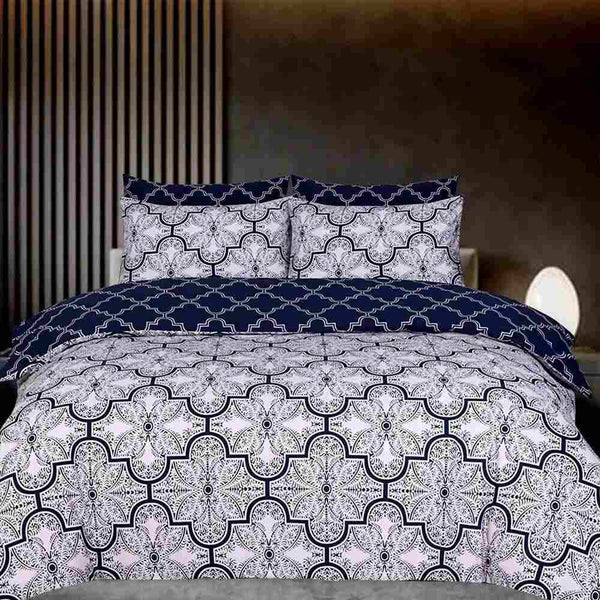

Duvet Sizes in the UK — A Quick Overview
Before comparing king and super king duvets, it's helpful to understand how UK duvet sizes work. The UK follows its own standard duvet measurements, which are different from those used in the US and many European countries. Knowing the correct sizing can help you choose bedding that fits properly and avoid buying a duvet or duvet cover that doesn't match your bed.
Why Duvet Sizing Matters More Than You Think
Choosing the wrong duvet size can affect both your comfort and the way your bed looks. If a duvet is too small, it may not cover the sides of the bed properly, leaving you feeling cold during the night. On the other hand, a duvet that is too large can feel bulky, be more difficult to wash and store, and may cost more than necessary. Selecting the right duvet size for your bed helps create a comfortable sleeping environment while giving your bedroom a neat, well-finished look.
Choosing the right duvet size is about more than just staying warm at night. It can make a big difference to your overall sleeping experience and how your bed looks and functions every day.
-
Better comfort for couples: A properly sized duvet gives both sleepers enough coverage, reducing the chances of pulling the duvet away from each other during the night.
-
A neater bedroom look: The right duvet drapes nicely over the sides of the bed, creating a fuller and more luxurious hotel-style appearance.
-
A better fit for your bedding: When your duvet matches the correct cover size, it stays in place more easily and looks smoother on the bed.
-
Easier maintenance: Larger duvets can be heavier and may not fit comfortably in a standard washing machine, making cleaning more difficult.
The Golden Rule of Duvet Sizing
A simple guideline is to choose a duvet that extends around 30–40 cm beyond each side of your mattress. This extra width helps the duvet hang nicely over the bed and gives both sleepers enough coverage throughout the night. It also reduces the chances of one person accidentally pulling the duvet away and leaving the other feeling cold.
How UK Duvet Sizes Differ from US and European Standards
Many people get confused when buying bedding online, especially from international stores. The reason is simple: duvet sizes are not the same everywhere. A UK king size duvet is different from a US king duvet, and European sizes also follow their own measurements. If you don’t check the exact dimensions before buying, you could easily end up with a duvet that doesn’t fit your bed properly.
| Duvet Size | UK Dimensions (cm) | US Dimensions (cm) | EU Dimensions (cm) |
|---|---|---|---|
| Single | 135 × 200 | 173 × 218 (Twin) | 140 × 200 |
| Double | 200 × 200 | 198 × 218 (Full) | 200 × 200 |
| King | 230 × 220 | 264 × 234 (King) | 240 × 220 |
| Super King | 260 × 220 | 264 × 234 (Cal King) | 260 × 240 |
As shown in the table, a US king duvet is much larger than a UK king duvet in both width and length. If you use a US king duvet on a UK king bed, it will hang too far over the sides and may touch the floor. The duvet cover also won't fit properly. To get the best fit, always buy bedding that matches UK bed sizes when shopping for a UK bed.
A Complete UK Duvet Size Chart at a Glance
Here is a comprehensive reference table for all standard UK duvet sizes, their dimensions in both centimetres and inches, and the bed size they are designed to fit. This chart draws from the same data used by UK bedding manufacturers and retailers.
| UK Bed Size | Bed Dimensions (cm) | Standard Duvet Size (cm) | Standard Duvet Size (inches) |
|---|---|---|---|
| Single | 90 × 190 | 135 × 200 | 53" × 79" |
| Double | 135 × 190 | 200 × 200 | 79" × 79" |
| King | 152 × 200 | 230 × 220 | 90" × 87" |
| Super King | 183 × 200 | 260 × 220 | 102" × 87" |
For a deeper look at all UK bedding dimensions including fitted sheets, flat sheets, and pillowcases, you can refer to the Complete Guide to UK Bedding Sizes by Dtex Homes, which covers every size category in detail.
Not sure which fitted sheet to choose? Read our complete guide on choosing the right fitted sheet size, depth, and material for UK beds.
If you're unsure which sheet type is best for your bed, read our guide on Fitted Sheets vs Flat Sheets: What's the Difference?
What Size Is a King Size Duvet?

The king size duvet is one of the most popular bedding options in the UK. It is larger than a double duvet and provides extra space and comfort, making it a great choice for couples. However, many people are unsure about the exact size of a king duvet, especially when it comes to the difference between the duvet and the duvet cover.
King Size Duvet Dimensions in CM and Inches
The standard king size duvet dimensions in the UK are 230 cm × 220 cm. To convert: that is approximately 90 inches × 87 inches, or roughly 7.5 feet × 7.25 feet. These measurements apply to the duvet insert itself — the filled quilt that goes inside the duvet cover.
| Measurement | Width | Length |
|---|---|---|
| King Size Duvet (cm) | 230 cm | 220 cm |
| King Size Duvet (inches) | 90.5" | 86.6" |
| King Size Duvet (feet) | ~7.5 ft | ~7.2 ft |
It is worth noting that while 230 × 220 cm is the most widely accepted standard king size duvet size in the UK, some manufacturers produce king duvets in slightly varying dimensions, occasionally as narrow as 225 × 220 cm. Always check the product dimensions before purchasing, particularly if you are buying a duvet cover separately.
King Size Duvet Dimensions in CM — Why the Numbers Matter
When a product is listed as a king size duvet measuring 230 × 220 cm, these numbers tell you its exact dimensions. The first number (230 cm) is the width across the bed, while the second number (220 cm) is the length. Knowing these measurements helps you understand how much of the duvet will hang over the sides and end of your bed, making it easier to choose the right size before you buy.
What Size Duvet Fits a King Size Bed?
A standard UK king size bed measures 152 cm × 200 cm. So when you place a 230 × 220 cm king duvet on it, you have the following coverage:
- Width overhang: 230 cm (duvet) − 152 cm (bed) = 78 cm total, meaning roughly 39 cm per side
- Length overhang: 220 cm (duvet) − 200 cm (mattress) = 20 cm total drop at the foot
This size provides a comfortable and well-balanced fit on the bed. Many bedding experts recommend an overhang of around 30–45 cm on each side, as it offers good coverage without looking too bulky. It also gives you the option to tuck the duvet in or let it hang naturally for a more relaxed appearance. A king size duvet falls perfectly within this recommended range for a king size bed.
Can You Use a Double Duvet on a King Bed?
Technically yes, but it is not recommended. A double duvet (200 × 200 cm) on a king bed (152 × 200 cm) would leave only 24 cm of overhang per side — far less than the recommended amount, and practically nothing once two people are in the bed. You would also lose coverage at the foot. For a king bed, always use a king size duvet as a minimum.
King Size Duvet Cover Dimensions — What to Expect
A king size duvet cover is designed to accommodate a 230 × 220 cm duvet. Standard king size duvet cover dimensions are typically listed as 230 × 220 cm, though some covers are made slightly larger — around 235 × 225 cm — to allow easy insertion of the duvet without cramming.
| Item | Standard UK Dimensions (cm) | Notes |
|---|---|---|
| King Size Duvet | 230 × 220 | The filled insert |
| King Size Duvet Cover | 230 × 220 | Slightly larger in some brands to ease insertion |
| King Size Fitted Sheet | 152 × 200 cm + depth | Match to your mattress depth |
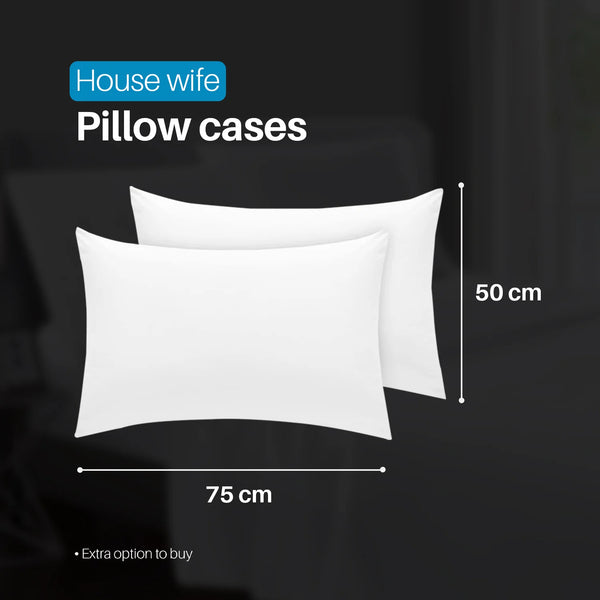
| King Size Pillowcase (pair) | 50 × 75 cm each | Standard housewife or Oxford style |
At Dtex Homes, every king size duvet cover set is clearly labelled with exact dimensions so you always know what you are getting. Our sets include two matching pillowcases, making it easy to complete your bed styling in one purchase.
What to Check Before Buying a King Size Duvet Cover
Before adding a cover to your basket, verify three things: the listed dimensions match your duvet, the fastening (zip or button) is positioned at the bottom or side for ease of use, and the fabric weight suits your preferred season. A heavy brushed cotton works beautifully in winter; a crisp percale or satin weave is ideal for summer months.
How Much Overhang Does a King Size Duvet Give?
We touched on this above, but it deserves a dedicated breakdown because overhang is often the deciding factor when people are choosing between a king and super king duvet, particularly for those with a standard king bed.
On a king size bed (152 × 200 cm), a king size duvet (230 × 220 cm) provides:
- Side overhang (each side): Approximately 39 cm, generous enough for tucking, or a neat horizontal drape across the sides of the bed.
- Foot overhang: Approximately 20 cm drop at the base of the bed — adequate for most mattress profiles.
For comparison, if you placed a super king duvet (260 × 220 cm) on the same king bed, the side overhang jumps to approximately 54 cm per side — a much more generous, hotel-style drape that many people find extremely luxurious. The foot overhang remains the same at 20 cm since both duvets share the same 220 cm length.
Overhang for Different Mattress Depths
If your mattress sits 25–30 cm deep (which is typical with pillow-top mattresses or when using a topper), a portion of your duvet's overhang will be absorbed by the sides of the mattress profile. A 30 cm deep mattress will "use up" 30 cm of the duvet's 220 cm length before it even reaches the top sleeping surface. Keep this in mind when calculating effective overhang, particularly for the foot of the bed.
Is a 230x220 Duvet a King Size?
Yes, 230 × 220 cm is the standard UK king size duvet measurement. If you see a duvet or duvet cover listed as 230 × 220, it is a king size product. This is the dimension you will find most consistently across UK bedding retailers, from budget high-street brands to premium linen specialists.
However, a small number of manufacturers produce king duvets at slightly different measurements — most commonly 225 × 220 cm or 240 × 220 cm. These are edge cases. The overwhelming majority of UK king duvets and covers are standardised at 230 × 220 cm, and this is the size you should use as your reference point when shopping.
What Size Is a Super King Duvet?

The super king duvet is the largest standard duvet size available in the UK. It is made for super king beds, which are among the biggest and most comfortable beds available. Thanks to its generous size, it provides excellent coverage and creates a luxurious look in the bedroom. If you have ever stayed in a luxury hotel and admired how neatly and elegantly the bedding draped over the bed, a super king duvet or a similar oversized duvet was likely part of that effect.
Super King Duvet Dimensions in CM and Inches
The standard super king duvet size in the UK is 260 cm × 220 cm. In inches, that is approximately 102 inches × 87 inches — or about 8.5 feet × 7.25 feet. This makes the super king duvet 30 cm wider than its king size counterpart, with the same 220 cm length.
| Measurement | Width | Length |
|---|---|---|
| Super King Duvet (cm) | 260 cm | 220 cm |
| Super King Duvet (inches) | ~102" | ~87" |
| Super King Duvet (feet) | ~8.5 ft | ~7.25 ft |
It is important to note that these super king duvet dimensions refer specifically to the UK standard. Some European super king duvets measure 260 × 240 cm, they are longer rather than wider. Always confirm you are looking at UK-standard measurements when purchasing super king bedding.
Super King Duvet Size in CM — Breaking Down the Numbers
The 260 cm width of a super king duvet is important for how it fits on the bed. On a super king bed that is 183 cm wide, this leaves about 77 cm of extra fabric in total, or roughly 38–39 cm on each side. That is very similar to the amount of overhang a king duvet has on a king bed. This means the duvet hangs in a balanced and proportional way, even though the sizes are larger. UK bedding makers design super king duvets this way so they look just right on super king beds, just like king duvets do on king beds.
What Size Duvet Fits a Super King Bed?
A standard UK super king bed measures 183 cm × 200 cm. The matching duvet of choice is a 260 × 220 cm super king duvet, which provides the following coverage:
- Width overhang: 260 cm − 183 cm = 77 cm total, or roughly 38–39 cm per side
- Length overhang: 220 cm − 200 cm = 20 cm drop at the foot of the bed
As mentioned, some super king sleepers choose to go even larger, using a custom 280 × 230 cm or Continental-sized duvet — for an ultra-luxurious floor-kissing drape. This is a personal preference and purely aesthetic in nature. For most people, the standard super king duvet size of 260 × 220 cm provides ample, elegant coverage.
What If You Have a Super King Bed But Can Only Find a King Duvet?
Using a king size duvet on a super king bed is a common stopgap but comes with real disadvantages. The 230 cm wide king duvet on a 183 cm wide super king bed leaves only about 23–24 cm of overhang per side — noticeably less than the recommended 35–40 cm. For a solo sleeper, this might be acceptable. For couples, it almost certainly means one person waking up cold in the night. We would always recommend using the correct super king duvet for a super king bed.
Super King Duvet Cover Size — Measurements Explained
A super king duvet cover is sized to fit a 260 × 220 cm duvet. The standard super king duvet cover dimensions are 260 × 220 cm, though some premium covers are made marginally larger — around 265 × 225 cm — to allow the duvet to sit perfectly inside without feeling compressed.
| Item | Standard UK Dimensions (cm) | Notes |
|---|---|---|
| Super King Duvet | 260 × 220 | The filled insert |
| Super King Duvet Cover | 260 × 220 | Some premium brands make 265 × 225 for easier insertion |
| Super King Fitted Sheet | 183 × 200 cm + depth | Match to mattress depth — look for 30–40 cm pocket depth |
| Super King Pillowcase (pair) | 50 × 75 cm each | Standard UK housewife or Oxford style |
When choosing a super king duvet cover, one of the key things to look at, besides size, is how it fastens. Button fastenings are classic and long-lasting, while zip fastenings are faster and easier to use, though they can sometimes catch on finer fabrics. At Dtex Homes, our super king bedding sets are designed with care, from the fastening type to the fabric quality, so you get both comfort and a premium feel in one set.
Does a King Size Cover Fit a Super King Duvet?
This is a common question, and the clear answer is no. A king size cover (230 × 220 cm) is 30 cm narrower than a super king duvet (260 × 220 cm). If you try to fit a super king duvet into a king cover, it will be too tight, causing the duvet to bunch up and fold inside. This leads to uneven lumps and can affect how warm and comfortable the duvet feels. For the best fit and performance, always use a super king duvet cover with a super king duvet.
How Much Overhang Does a Super King Duvet Provide?
On a standard super king bed (183 × 200 cm), placing a 260 × 220 cm super king duvet gives you:
- Side overhang: Approximately 38–39 cm per side — enough for a beautiful, flowing drape or comfortable tucking
- Foot overhang: Approximately 20 cm — the same as a king duvet, since both share the 220 cm length
For context, a super king bed with a 30 cm deep mattress will "consume" those 30 cm in depth before the duvet reaches the top sleeping surface, effectively reducing the foot overhang. This is why some super king sleepers with very deep mattresses or thick mattress toppers choose to size up to a Continental or custom super king duvet with a longer drop (230–240 cm in length rather than 220 cm).
Super King Duvet Overhang Compared to King
When each duvet is used on the bed it’s designed for, the overhang on both sides is almost the same, around 38–39 cm. The difference becomes clear when you put a super king duvet on a king bed. The extra 30 cm of width gives about 15 cm more on each side, creating a fuller, more luxurious look like you often see in hotels. That’s why some interior designers and bedding fans prefer to use a super king duvet on a king bed for a more stylish finish.
UK Super King Size Duvet vs European Super King — Are They the Same?
No, and this distinction catches many shoppers off guard. The UK super king duvet and the European super king duvet are different products with different dimensions.
| Region | Super King Duvet Size (cm) | Key Difference |
|---|---|---|
| UK Super King | 260 × 220 | Standard UK sizing — wider emphasis |
| European Super King | 260 × 240 | Longer — 20 cm extra in length |
| US California King | ~264 × 234 | Slightly wider and longer than UK |
The European version is about 20 cm longer, which makes it better for taller people or beds with deep mattresses. If you’re buying from a European shop or choosing European-style bedding, keep in mind that the sizes are different from UK super king duvets and covers. Mixing a European duvet with a UK super king cover (or the other way around) won’t fit properly and can cause issues.
For UK households, always look for the 260 × 220 cm super king size when purchasing either the duvet or its cover. This is the dimension used by Dtex Homes and the vast majority of UK-based bedding specialists, ensuring full compatibility across our entire duvet cover range.
What Is a UK Super King Size Bed in CM?
For reference, a UK super king size bed measures 183 cm × 200 cm (approximately 6 feet × 6 feet 6 inches). This is the bed the 260 × 220 cm duvet is designed to dress. The bed itself is 31 cm wider than a standard king (152 cm), which is why the super king duvet needs to be 30 cm wider too — to maintain that proportional, elegant drape on both sides of the mattress.
King vs Super King — Key Differences Explained

Now that we have established the individual dimensions of both sizes, it is time to place them side by side. Understanding the difference between king and super king goes beyond a single number — it touches on bed compatibility, room proportions, coverage for couples, and even the visual weight of your finished bed. This section gives you a clear, no-ambiguity breakdown so you can make a confident decision.
Side-by-Side Dimension Comparison: King vs Super King Duvet
The most direct way to understand king size vs super king is to look at the numbers together. Below is a comprehensive comparison table covering duvet dimensions, bed dimensions, overhang, and cover sizes, all in standard UK measurements.
| Feature | King Size | Super King Size |
|---|---|---|
| Duvet Width (cm) | 230 cm | 260 cm |
| Duvet Length (cm) | 220 cm | 220 cm |
| Duvet Width (inches) | ~90.5" | ~102" |
| Duvet Length (inches) | ~86.6" | ~86.6" |
| Matching Bed Width (cm) | 152 cm | 183 cm |
| Matching Bed Length (cm) | 200 cm | 200 cm |
| Side Overhang (per side) | ~39 cm | ~38–39 cm |
| Foot Overhang | ~20 cm | ~20 cm |
| Duvet Cover Size (cm) | 230 × 220 | 260 × 220 |
| Fitted Sheet Size (cm) | 152 × 200 + depth | 183 × 200 + depth |
| Width Difference | 30 cm wider (super king) | |
One detail worth pausing on: both the king and super king duvet share the same 220 cm length. The entire difference sits in the width — 30 cm in total, or 15 cm extra per side. That single dimension is what separates the two products, and whether that 30 cm matters enormously or barely at all depends entirely on the bed it is going on and the people sleeping under it.
Width vs Length — Which Dimension Matters More?
For most sleepers, width is the more critical dimension. Length primarily affects foot coverage, relevant mainly if you are very tall or have an unusually deep mattress. Width, on the other hand, directly determines how much coverage each person in a shared bed receives. This is why the 30 cm width difference between king and super king is genuinely significant for couples, even though the length stays the same.
Difference Between King and Super King Bed Size in CM
To make sense of which duvet you need, you first need to understand the bed sizes themselves. Here is how a king size bed and a super king size bed compare in terms of their actual mattress dimensions:
| Bed Type | Width (cm) | Length (cm) | Width (inches) | Length (inches) |
|---|---|---|---|---|
| King Size Bed | 152 cm | 200 cm | ~60" | ~79" |
| Super King Size Bed | 183 cm | 200 cm | ~72" | ~79" |
| Difference | +31 cm | Same | +12" | Same |
A super king bed is 31 cm wider than a king — that is nearly a foot of extra sleeping space. In terms of floor space, a super king mattress requires meaningfully more room and should ideally be placed in a bedroom at least 4 metres wide to allow comfortable access on both sides. The bed size is the foundational data point: if you have a super king bed, you need a super king duvet (260 × 220 cm). If you have a king bed, a king duvet (230 × 220 cm) is your natural fit.
Does Bed Frame Size Match Mattress Size?
In the UK, bed frames are sized to match standard mattress dimensions, so a king bed frame holds a 152 × 200 cm mattress, and a super king frame holds a 183 × 200 cm mattress. The frame itself adds a few centimetres on each side depending on the style (divan bases sit flush; wooden frames with slat ends may add 2–5 cm in each direction). For bedding purposes, always measure your mattress rather than your frame.
Visual Difference: How Much Bigger Is a Super King Duvet?
Numbers tell part of the story, but it helps to visualise the scale. A super king duvet at 260 × 220 cm has a total surface area of approximately 5.72 square metres. A king duvet at 230 × 220 cm covers approximately 5.06 square metres. That is a difference of roughly 0.66 square metres, about the size of a standard bath towel laid flat.
When laid side by side on the floor, the super king duvet is visibly wider — imagine adding one standard ruler length (30 cm) to the left edge of a king duvet and you have the super king. On a bed, this extra width translates into noticeably more drape on each side, giving the super king bed a more opulent, layered look. This is why interior designers consistently specify super king bedding for high-end bedroom photography and hotel-style shoots — the visual impact is real.
The 30 cm Rule — Can You Actually Feel the Difference?
Yes, especially if two people share the bed. The extra 30 cm of width gives each person more space under the duvet, so there's less pulling and tugging during the night. It may not sound like a big difference, but it can make your bed feel much more comfortable. A super king duvet offers better coverage, keeps both sleepers warm, and helps everyone enjoy a more restful night's sleep.
King Size vs Super King — Which Offers Better Coverage?
The answer depends on what you mean by "coverage." In terms of side overhang on the correct bed, both sizes are proportionally equivalent, each provides roughly 38–39 cm per side when matched to its intended mattress. However, when it comes to active coverage — what you actually experience under the duvet while sleeping the super king wins for couples.
Here is why: when two people are in bed, the duvet gets pulled laterally. One partner rolls, the duvet shifts, and the other person loses coverage. A wider duvet has more fabric in the system, which means there is more slack to absorb that movement before one person is left exposed. The 30 cm width advantage of the super king duvet translates directly into more forgiving, more equitable coverage for two people sharing.
For a solo sleeper, the king duvet offers more than enough coverage and the extra 30 cm of a super king would simply hang unused. For a couple, the super king provides a meaningful real-world advantage in nightly comfort. This is arguably the most practical consideration in the entire king vs super king debate.
Can You Use a Super King Duvet on a King Size Bed?
Yes, you can and many people do this intentionally. Placing a super king duvet on a king size bed results in approximately 54 cm of overhang per side (compared to the standard 39 cm), creating a generous, cascading drape that gives the bed a distinctly luxurious, five-star hotel look. The foot overhang remains the same at approximately 20 cm since both duvet sizes share the same 220 cm length.
Pros of Using a Super King Duvet on a King Bed
- More coverage per person — ideal for couples who toss and turn, even on a king bed
- Luxurious visual drape — the extra overhang gives the bed an elevated, styled appearance
- Better warmth retention — more fabric means fewer draught gaps at the sides
- Future-proofing — if you ever upgrade to a super king bed, the duvet is already the right size
Cons of Using a Super King Duvet on a King Bed
- Cover compatibility issue — you will need a super king duvet cover (260 × 220 cm), not a king cover (230 × 220 cm), which means your existing king covers will not fit
- Harder to wash — a super king duvet requires a larger capacity washing machine (10 kg drum or above)
- Higher cost — super king duvets and covers are consistently more expensive than king equivalents
- Potential for bunching — excess fabric at the sides can fold under the mattress or catch in bed frames with tight clearance
Can You Use a King Size Duvet on a Super King Bed?
Technically, yes, but it is not recommended for anything other than a very short-term solution. A king size duvet (230 × 220 cm) on a super king bed (183 × 200 cm) leaves only about 23–24 cm of overhang per side. That is noticeably less than the 38–39 cm you would get with the correct super king duvet, and far below the 30–40 cm recommended by bedding professionals for comfortable coverage.
For a solo sleeper who stays fairly still at night, this might feel barely acceptable. For a couple, it will almost certainly cause problems, one person pulling the duvet across will leave the other with essentially no side coverage at all. The king duvet simply does not have enough fabric in the system to comfortably serve a super king bed with two occupants.
When Might Someone Use a King Duvet on a Super King Bed?
The most common scenario is a recent bed upgrade, someone has just bought a super king bed but has not yet replaced their bedding. In this situation, a king duvet as a placeholder is fine for a few nights. But investing in the right super king duvet and cover set should be the immediate priority. Browse the full range of quilts and duvets at Dtex Homes to find the right super king option for your bed.
The Benefits of a King Size Duvet

The king size duvet is the UK's most popular premium duvet size for good reason. It strikes an excellent balance between generous coverage, manageable dimensions, and wide availability. Here is a detailed look at everything that makes a king duvet an excellent choice for many households.
Ideal for Smaller Bedrooms Without Compromising Comfort
A super king bed isn't the right choice for every bedroom. In many UK homes, especially where bedrooms are around 3.5 × 3.5 metres, a super king bed can take up a lot of space and make the room feel crowded. It may also leave less room for bedside tables, wardrobes, or walking comfortably around the bed.
A king size bed, on the other hand, fits much more comfortably in most bedrooms. When paired with a king size duvet, it creates a balanced and tidy look without making the room feel cramped. You'll still enjoy plenty of comfort and warmth while making better use of your available space. For many UK households, a king duvet offers the perfect mix of comfort, practicality, and style.
Minimum Recommended Room Size for a King Bed
Most interior designers recommend a minimum bedroom size of approximately 3 metres × 3.5 metres to comfortably accommodate a king size bed with adequate clearance on each side and at the foot. For a super king, the recommendation rises to at least 4 metres × 4 metres. If your room falls in the former category, a king duvet is the right size choice for your lifestyle.
Easier to Wash, Dry and Store
A king size duvet (230 × 220 cm) can typically be washed in a domestic washing machine with a 7–8 kg drum capacity, which covers the majority of machines found in UK homes. A super king duvet, by contrast, often requires a 9–10 kg drum at minimum, and many people end up taking it to a launderette or dry cleaner for professional cleaning.
From a practical standpoint, this matters a great deal over the lifetime of your duvet. Being able to wash your duvet at home on a Sunday morning and have it dry by evening in a tumble dryer or on a washing line — makes a real difference to how often you actually clean it and how fresh your sleep environment remains.
Storage Considerations for King vs Super King Duvets
When folded, a king size duvet takes up much less space than a super king duvet, making it easier to store. This is especially useful when changing your bedding between seasons, such as switching from a warm winter duvet to a lighter summer one. If you have limited storage space or a small linen cupboard, a king duvet is much easier to fold, store, and organise. In comparison, a super king duvet—particularly one with a thick down or microfibre filling, can be bulkier and needs more storage space.
More Affordable Without Sacrificing Quality
King size duvets are usually more affordable than super king duvets. In most cases, you can expect to pay around 10–25% less, depending on the filling, fabric, and brand. The same applies to king size duvet covers, fitted sheets, and complete bedding sets. Over time, replacing king size bedding can save you a noticeable amount compared to buying super king alternatives.
Choosing a king size duvet doesn't mean compromising on quality. At Dtex Homes, our king size duvet cover sets are made using the same premium materials as our super king collections, including 100% Egyptian cotton and high-quality percale fabric. This means you can enjoy the same comfort, durability, and luxurious feel while staying within your budget.
Is It Worth Spending More on a King Duvet?
A king size duvet can vary a lot in quality, even if the size is the same. Choosing a duvet with a better filling, such as down or wool instead of basic hollowfibre, will usually give you more comfort, better warmth, and a longer lifespan. Pair it with a 100% cotton cover with a thread count of 200 or higher, and you'll have bedding that feels softer and stands up well to everyday use. By investing in a high-quality king size duvet, you can enjoy excellent comfort and durability without paying the extra cost of a super king option.
Wide Availability of King Size Duvet Covers and Bedding Sets
King size duvets are one of the most popular bedding sizes in the UK, so they're easy to find almost everywhere. Whether you're shopping at a department store or a specialist bedding retailer, you'll usually have plenty of choices in different fabrics, colours, patterns, and price ranges. This also makes it easier to find matching duvet covers or replace your bedding in the future.
Super king bedding is also widely available, especially from quality brands like Dtex Homes, but the selection can be more limited, particularly if you're looking for budget-friendly options. If having a wide choice of styles and easy access to replacement bedding is important, a king size duvet is often the more convenient option.
Best Mattress Sizes Compatible with a King Size Duvet
The king size duvet (230 × 220 cm) is primarily designed for the UK king size mattress (152 × 200 cm). However, it can also be used on other bed sizes with different aesthetic results:
| Bed / Mattress Size | Mattress Dimensions (cm) | King Duvet Fit | Side Overhang (per side) |
|---|---|---|---|
| Double | 135 × 190 | Generous fit — over-sized look | ~47 cm per side |
| King (recommended) | 152 × 200 | Perfect proportional fit | ~39 cm per side |
| Super King | 183 × 200 | Under-sized — not recommended | ~23 cm per side |
As the table shows, a king duvet can also work well on a double bed, in fact, many people deliberately use a king duvet on a double bed for a more lavish, layered look. It is only on a super king that the king duvet falls meaningfully short.
The Benefits of a Super King Duvet

If the king duvet is practical and well-rounded, the super king duvet is aspirational, the choice for those who want the very best sleep experience and are willing to invest in it. Here is an honest, detailed look at why so many couples and discerning sleepers choose the super king.
Maximum Coverage for a Luxurious Sleep Experience
There's a reason why luxury hotels always use large, generously sized duvets. Extra fabric means better coverage, fewer cold spots, and a more comfortable night's sleep. A super king duvet measures 260 × 220 cm, giving you plenty of room to stay warm without constantly adjusting the duvet—especially if you share the bed with a partner.
When placed on a super king bed, the duvet hangs neatly over both sides, creating that full, elegant hotel-style look. It covers the mattress beautifully, stays in place while you sleep, and gives you enough fabric to pull up around your shoulders without leaving any part of the bed exposed. If you want a bedroom that feels both luxurious and comfortable, a super king duvet is an excellent choice.
Perfect for Couples Who Toss and Turn at Night
This is the single most practical reason couples choose a super king duvet. Sleep research consistently shows that partner movement is one of the leading causes of sleep disruption in shared beds and duvet-pulling is a significant contributor. When one partner rolls, shifts position, or unconsciously gathers the duvet around them, the other person loses their portion.
The extra 30 cm of width in a super king duvet (15 cm per person) acts as a buffer against this. There is simply more duvet in the system — enough to absorb a roll or a shift without stripping coverage from the other side. For couples where one partner is a restless sleeper, the super king duvet is one of the most practically impactful bedding upgrades available.
The Scandinavian Method — An Alternative for Restless Couples
Some couples take a different approach entirely: two single duvets on a super king bed, each person controlling their own covering. This "Scandinavian method" (widely practised in Denmark, Sweden, and Norway) completely eliminates duvet-pulling as a problem. While it changes the aesthetic of the bed, many couples who adopt it report dramatically improved sleep quality. It is worth considering alongside the super king duvet as an option for restless sleepers.
Why Super King Duvets Feel More Premium and Indulgent
Beyond the practical benefits, there is an unmistakable psychological dimension to a well-dressed super king bed. The scale of the bedding, the generous drape, the slightly weightier feel of a large duvet with quality fill, the way the fabric cascades to the floor on either side, signals luxury in a way that smaller bedding simply cannot match.
When paired with a high-quality super king duvet cover in Egyptian cotton or premium linen, the effect is genuinely transformative. The bedroom becomes the most beautifully appointed room in the house, a sanctuary rather than simply a place to sleep. This is a benefit that photographs well, feels wonderful in daily life, and adds genuine value to a home's interior.
Super King Down Duvet — Is It Worth the Investment?
A super king down duvet is one of the best choices if you want long-lasting comfort and warmth. Filled with natural goose or duck down, it feels light while keeping you warm throughout the night. Although it costs more than synthetic duvets, a high-quality down duvet can last 10–15 years with proper care, making it a worthwhile investment for better sleep. For the best results, choose one with a 600+ fill power and a cotton downproof cover.
Down vs Microfibre for Super King Duvets
If a down duvet is outside your budget, a high-quality microfibre super king duvet is a great alternative. It offers soft, cosy comfort, is naturally hypoallergenic, and costs much less than down. While it may not last as long, it still provides excellent value for everyday use.
Best Mattress Sizes Compatible with a Super King Duvet
| Bed / Mattress Size | Mattress Dimensions (cm) | Super King Duvet Fit | Side Overhang (per side) |
|---|---|---|---|
| King | 152 × 200 | Generous over-sized fit — luxury look | ~54 cm per side |
| Super King (recommended) | 183 × 200 | Perfect proportional fit | ~38–39 cm per side |
The super king duvet is purpose-built for the super king bed. Anything smaller and you have excess fabric; the super king bed is where the 260 × 220 cm duvet performs exactly as designed, providing that near-perfect 38–39 cm drape on each side.
Key Considerations When Choosing Between King and Super King Duvet

Armed with all the dimensional data and benefit comparisons above, how do you actually make the final call? This section walks through every meaningful factor that should inform your decision — from the practical to the personal.
Your Bed Size — The Most Important Factor
Your bed size should always be the first thing you consider when choosing a duvet. A duvet that matches your mattress will give you the best fit, comfort, and overall look.
If you have a UK king size bed (150 × 200 cm), a king size duvet (225/230 × 220 cm, depending on the brand) is the standard choice. If you have a UK super king bed (180 × 200 cm), a super king duvet (260 × 220 cm) is the correct option, giving you the right amount of coverage on both sides.
Using a king size duvet on a super king bed usually isn't recommended because it won't provide enough coverage, especially if two people are sharing the bed. On the other hand, some people choose to use a super king duvet on a king size bed because they like the extra overhang and added comfort. Just remember that you'll also need a super king duvet cover and enough space to wash and store the larger duvet.
If you're not sure which bed size you have, simply measure your mattress instead of the bed frame. A mattress that is around 150 cm wide is a UK king size, while one that measures 180 cm wide is a UK super king.
Bedroom Space and How Room Size Impacts Your Decision
If you're deciding between a king and super king bed, your bedroom size should be one of the first things you consider. A super king bed needs plenty of space to look and function well. Ideally, your room should be at least 4 metres × 4 metres, giving you enough room to walk comfortably around the bed and move furniture without feeling cramped.
Room size also affects how your bedroom looks. In a smaller room, a super king bed with a large duvet can make the space feel crowded and leave very little room to move around. On the other hand, a king bed in a large bedroom may look too small unless it's styled with larger furniture, cushions, or throws. Choosing the right bed size and duvet size for your room helps create a bedroom that feels comfortable, balanced, and visually appealing.
Room Size Quick Reference Guide
| Bedroom Size | Recommended Bed Size | Recommended Duvet Size |
|---|---|---|
| Small (under 10 m²) | Double or small King | Double or King |
| Medium (10–14 m²) | King | King (230 × 220 cm) |
| Large (14 m² and above) | King or Super King | King or Super King (260 × 220 cm) |
| Master suite (18 m² +) | Super King | Super King (260 × 220 cm) |
Solo Sleeper vs Couple — Who Needs What?
Solo sleepers on a king bed will find the king duvet entirely sufficient, in fact, it provides more coverage than one person realistically needs. There is no practical benefit to a super king duvet for a solo sleeper; the extra fabric simply hangs unused on the other side of the bed.
Couples are where the equation shifts. As discussed earlier, the super king duvet provides meaningfully better coverage distribution for two people, particularly if either partner is a restless sleeper. If both partners tend to sleep still and stay on their own side, a king duvet on a king bed will perform perfectly well. If one or both partners move frequently, a super king duvet, whether on a king bed or super king bed, is a worthwhile upgrade.
Your Sleeping Style and Comfort Preferences
Think about how you actually sleep. Do you wrap the duvet tightly around yourself, creating a cocoon? Do you push it to one side when you get warm? Do you like a heavy duvet draped over you, or a lighter one that sits more loosely?
- Cocooners: Tend to pull the duvet in and wrap themselves — a super king provides more fabric to work with.
- Pushers: Those who regularly kick the duvet off in the night will find either size adequate — the extra fabric of a super king will not change this habit.
- Still sleepers: A king duvet is perfect — it stays where you put it and provides consistent coverage all night.
- Hot sleepers: Consider a lower tog rating rather than size change — tog affects warmth more than dimensions do.
Budget Considerations — King vs Super King Price Difference
Budget is a real and legitimate factor in any bedding decision. Here is what you can realistically expect in terms of price differential:
| Product | King Size (typical range) | Super King Size (typical range) | Approx. Premium |
|---|---|---|---|
| Duvet Insert (synthetic fill) | £25–£80 | £35–£110 | +15–30% |
| Duvet Insert (down fill) | £80–£300+ | £110–£400+ | +20–35% |
| Duvet Cover Set | £20–£120 | £25–£150 | +15–25% |
| Complete Bedding Set | £40–£200 | £55–£250 | +15–25% |
At Dtex Homes, we work hard to keep the premium between king and super king as narrow as possible, so that upgrading to the larger size is genuinely accessible. Browse our quilts and duvets collection to compare current pricing across both sizes.
Tog Rating — Does Duvet Size Affect Warmth?
This is a common misconception worth addressing directly: duvet size does not affect tog rating. Tog is a measure of thermal resistance, how well the duvet traps warm air — and it is determined by the fill material and its depth, not by the dimensions of the duvet. A 10.5 tog king duvet and a 10.5 tog super king duvet will feel equally warm per square centimetre of coverage.
What size does affect is how much of your body is covered — which in turn affects how warm you feel overall. A wider duvet with adequate overhang leaves fewer gaps through which cold air can enter from the sides. But two duvets of the same tog on the same bed — one king, one super king — will feel virtually identical in warmth for a solo sleeper occupying the centre. For a couple, the super king's wider coverage means both people benefit from the full tog rating, rather than one person losing coverage to the other side.
What Tog Rating Should You Choose?
As a general UK guide: 4.5 tog for summer, 10.5 tog for spring/autumn, and 13.5–15 tog for winter. Many people use an all-seasons duvet — two separate duvets (typically 4.5 tog and 9 tog) that button together to create a 13.5 tog combination for winter, used separately for other seasons. This approach works equally well across king and super king sizes and offers outstanding seasonal versatility.
Choosing the Right Super King Duvet — What to Look For

Once you have decided that the super king duvet is right for you, the next question is which one. The market offers a wide range of fill materials, tog ratings, fabric types, and construction qualities and navigating it without guidance can feel overwhelming. Here is a clear breakdown of every meaningful factor.
Best Fill Materials for Super King Duvets (Down, Microfibre, Wool, Silk)
The fill is the soul of a duvet. It determines warmth, weight, breathability, longevity, and for allergy sufferers, suitability. Here is how the main fill materials compare for a super king duvet:
| Fill Material | Warmth | Weight | Breathability | Hypoallergenic | Lifespan | Price Range |
|---|---|---|---|---|---|---|
| Goose Down | Excellent | Very Light | Excellent | No (treated versions available) | 10–15+ years | High |
| Duck Down | Very Good | Light | Very Good | No (treated versions available) | 8–12 years | Medium–High |
| Microfibre | Good | Light–Medium | Good | Yes | 4–7 years | Low–Medium |
| Wool | Very Good | Medium | Excellent | Yes | 10–15 years | Medium–High |
| Silk | Good (temperature regulating) | Very Light | Excellent | Yes (naturally) | 10–15 years | Very High |
For most UK households, a microfibre or duck down super king duvet in the 10.5–13.5 tog range offers the best combination of performance and value. Wool is an outstanding choice for temperature-sensitive sleepers or those who run hot — its natural moisture-wicking properties help regulate body temperature throughout the night.
What Tog Rating Is Best for a Super King Duvet?
There is no single "best" tog rating, it depends on your central heating habits, natural body temperature, and the seasons in which you use the duvet. However, for a UK home with standard central heating, the following guide applies across both king and super king sizes:
- 4.5 tog: Summer — lightweight, cool, breathable
- 7.5 tog: Late spring / early autumn — a versatile mid-season choice
- 10.5 tog: Autumn and spring — the UK's most popular all-year tog rating
- 13.5 tog: Winter — warm and cosy for colder months
- 15 tog: Very cold sleepers or unheated bedrooms — maximum warmth




All-Seasons Super King Duvets — The Smart Year-Round Solution
The most versatile option for many households is an all-seasons super king duvet — a system of two separate duvets (typically 4.5 tog + 9 tog) that button together for a combined 13.5 tog in winter and are used individually in milder months. This eliminates the need to store and swap multiple duvets and delivers optimal comfort year-round from a single purchase.
Hypoallergenic Super King Duvets — Who Actually Needs One?
A hypoallergenic duvet is one that resists the growth of allergens — principally dust mites, mould, and in some cases pet dander. It is not entirely accurate to say that any duvet is "100% allergen-free," but hypoallergenic duvets — typically filled with microfibre, treated hollowfibre, silk, or anti-allergy wool — are significantly less hospitable to the allergens that trigger symptoms.
You genuinely benefit from a hypoallergenic super king duvet if you or your sleeping partner experiences:
- Asthma or allergic rhinitis (hay fever-type symptoms)
- Eczema or skin sensitivities that worsen at night
- Morning sneezing, itchy eyes, or a blocked nose on waking
- Known sensitivity to feathers or natural animal fibres
If none of the above apply, a standard down or wool super king duvet is a perfectly appropriate choice and will likely deliver superior warmth and longevity. For further guidance on allergen-resistant bedding options, the Allergy UK charity publishes a helpful accreditation scheme for bedding products.
Super King Duvet Cover Fabrics — Cotton, Linen, and Beyond
The duvet cover fabric determines how the finished bed looks and feels — and it is where personal taste plays as large a role as technical specification. Here is a breakdown of the main fabric options for super king duvet covers:
- 100% Cotton Percale: Crisp, cool, and durable. Ideal for hot sleepers and those who prefer a hotel-style feel. Gets softer with every wash. The Egyptian cotton range at Dtex Homes uses long-staple fibres for exceptional softness and durability.
- Cotton Sateen: A silky, slightly lustrous weave — warmer and softer than percale, with a subtle sheen that photographs beautifully. Best for those who prioritise a luxurious tactile feel.
- Linen: Breathable, temperature-regulating, and improving with age. Linen has a relaxed, lived-in aesthetic that suits contemporary and Scandinavian interiors. Slightly rougher to the touch when new, but extraordinarily durable.
- Brushed Cotton (Flannelette): Ultra-warm and cosy — the best choice for cold sleepers in winter. The brushed surface traps warm air close to the body, making it one of the warmest fabric options available.
- Microfibre: Lightweight, soft, and very easy to care for. Not as breathable as natural fibres but an excellent budget-friendly option that washes and dries quickly.
What Thread Count Should You Look for in Super King Bedding?
Thread count refers to the number of threads woven per square inch of fabric. It is a useful but widely misunderstood quality indicator. A thread count between 200 and 400 in a pure, long-staple cotton represents genuine quality. Anything above 400 is often achieved by counting multi-ply threads, which can be misleading and does not necessarily translate to a better feel.
Thread Count Quick Guide for Super King Duvet Covers
| Thread Count | Feel and Quality | Best For |
|---|---|---|
| Under 150 | Rough, scratchy | Budget applications only |
| 150–200 | Acceptable everyday quality | Children's bedding, guest rooms |
| 200–400 | Soft, durable, excellent feel | Main bedroom — the recommended sweet spot |
| 400–600 | Very soft — check fibre quality | Premium bedrooms — verify long-staple cotton |
| 600+ | Often inflated by multi-ply counting | Scrutinise the fabric composition carefully |
Top Features to Look for When Shopping for a Super King Duvet
Before completing any purchase of a super king size duvet, run through this checklist to ensure you are getting the right product:
- Confirmed UK dimensions: Check for 260 × 220 cm — not European (260 × 240) or US sizing
- Fill material clearly stated: Down, microfibre, wool, silk — with fill weight or power specified
- Tog rating matched to season: 4.5 for summer, 10.5 for year-round, 13.5–15 for winter
- Outer shell quality: Downproof cotton for down duvets; breathable fabric for any fill type
- Hypoallergenic designation if needed: Look for an accredited label if allergies are a concern
- Washability: Check machine wash instructions and drum size requirements before purchasing
- Warranty or guarantee: Premium duvets often come with 2–5 year guarantees; a sign of quality construction
Super King Duvet Size Explained — Bedding Compatibility Guide

Buying a super king duvet is only the start. Getting the full bedding setup right, sheets, covers, pillowcases — requires understanding how all the pieces fit together. This section clarifies every dimension you need.
Super King Fitted Sheet Size — Getting the Right Fit
A super king fitted sheet is sized to the mattress, not the duvet. The standard UK super king fitted sheet dimensions are 183 × 200 cm — matching the mattress exactly — plus a pocket depth allowance of typically 28–40 cm to accommodate the mattress depth plus any topper.
| Fitted Sheet Spec | Dimension |
|---|---|
| Surface Area | 183 × 200 cm |
| Standard Pocket Depth | 28–30 cm |
| Extra Deep Pocket Depth | 36–40 cm |
Super King Bed Sheet Dimensions You Should Know
Flat sheets are less commonly used in UK bedrooms than in some European countries, but they remain a practical option — particularly in summer or for those who prefer sleeping under a lighter layer. A super king flat sheet typically measures 295 × 275 cm, providing enough fabric to tuck generously under the mattress on all sides.
| Sheet Type | King Size (cm) | Super King Size (cm) |
|---|---|---|
| Fitted Sheet | 152 × 200 + depth | 183 × 200 + depth |
| Flat Sheet | 265 × 275 | 295 × 275 |
| Duvet Cover | 230 × 220 | 260 × 220 |
| Pillowcase (each) | 50 × 75 | 50 × 75 |
Note that pillowcase sizes are the same for both king and super king — 50 × 75 cm for standard housewife style, or 50 × 75 cm plus a 5 cm Oxford hem for the bordered Oxford pillowcase style. Pillows themselves are a standard size regardless of bed size.
Super King Duvet Cover vs King Duvet Cover — Can You Swap Them?
No, and this point bears repeating because it is one of the most common bedding mistakes. A king duvet cover (230 × 220 cm) is 30 cm narrower than a super king duvet cover (260 × 220 cm). Forcing a super king duvet into a king cover will cause the duvet to bunch, fold, and clump inside the cover — creating an uneven, lumpy surface and reducing the duvet's thermal efficiency.
In the other direction, a super king cover on a king duvet will fit — the cover is simply 30 cm wider than the duvet — but the duvet will float loosely inside the cover and migrate to one side during the night. Neither scenario is acceptable for comfortable nightly use. Always match duvet and cover dimensions exactly.
Super King Bedding Size UK vs International Standards
As covered earlier in this guide, UK super king bedding dimensions are not universal. Here is a comprehensive reference for anyone shopping internationally or comparing sizing systems:
| Country / Region | Super King Duvet (cm) | Super King Bed (cm) | Notes |
|---|---|---|---|
| UK | 260 × 220 | 183 × 200 | Standard UK sizing |
| Europe | 260 × 240 | 180 × 200 | Longer duvet — extra 20 cm in length |
| USA (California King) | ~264 × 234 | 183 × 213 | Longer bed and duvet than UK super king |
| Australia | 270 × 240 | 183 × 203 | Slightly larger all round |
When purchasing from international websites, always verify that dimensions match UK standards before completing any bedding purchase. A duvet or cover that is 20 cm shorter than expected (European vs UK sizing) can feel noticeably inadequate in use.
Super King Size Quilt Dimensions — Is It the Same as a Duvet?
In the UK, the terms "quilt" and "duvet" are used interchangeably by most consumers and retailers — they refer to the same type of product: a filled, stitched bedding insert that goes inside a cover. The only meaningful distinction is in construction style: traditional quilts tend to have a sewn-through or box-stitch pattern visible on the surface, while duvets may use baffle-box construction (internal walls that prevent fill from shifting) or channel stitching.
A super king size quilt has the same dimensions as a super king duvet: 260 × 220 cm in UK standard sizing. Super king quilt covers are also the same as super king duvet covers. You can use the terms interchangeably when shopping and expect the same sizing. For external reference, the NHS sleep guidance offers advice on creating an optimal sleep environment, of which bedding quality and comfort is a key component.
Looking to Buy a New Duvet? Make Sure It's the Perfect Fit

Whether you are replacing an old duvet or kitting out a newly purchased bed, the buying process is straightforward when you know what to look for. This section gives you a practical, step-by-step framework for making the right purchase — first time, every time.
Measure Your Bed Before You Buy — Step-by-Step Guide
Never rely on a label or assumption. Before purchasing any duvet or bedding, take the following measurements with a tape measure:
- Mattress width: Measure across the widest point. ~152 cm = king; ~183 cm = super king.
- Mattress length: Measure from head to foot. Most UK beds are 200 cm.
- Mattress depth: Measure from the base to the top surface. This is critical for fitted sheet selection. Include any mattress topper.
- Floor clearance: Decide how much duvet overhang you want at the sides. If you want a flowing, generous drape, factor this into your size selection.
With these numbers, cross-reference the size charts in this guide or on the Dtex Homes UK Bedding Sizes Guide to confirm the exact products you need across duvet, fitted sheet, and cover.
Common Mistakes People Make When Buying a Duvet
- Buying by label alone — "King size" from an international retailer may not be 230 × 220 cm. Always check dimensions in cm.
- Not accounting for mattress depth — A thick mattress or topper reduces effective overhang at the foot. Consider a longer duvet or size up.
- Mismatching duvet and cover sizes — Buying a king cover for a super king duvet (or vice versa) creates fitting problems that are difficult to live with.
- Choosing tog rating by price rather than need — A very high tog rating is not inherently better; it depends on your natural temperature and heating habits.
- Ignoring washability — A beautiful down duvet that requires professional cleaning every time will be expensive to maintain. Check machine wash specifications before buying.
- Focusing only on thread count — Thread count matters, but fibre quality matters more. A 200 TC long-staple Egyptian cotton cover will outperform a 600 TC polyester blend.
New Duvet Buying Checklist — Size, Fill, Tog, and Fabric
- Confirm your bed / mattress size in centimetres
- Choose the correct duvet size: king (230 × 220) or super king (260 × 220)
- Select fill material based on allergies, budget, and warmth preference
- Choose tog rating appropriate to your season and sleeping temperature
- Verify the outer shell fabric — cotton downproof for down; breathable woven for synthetics
- Check machine wash instructions and required drum size
- Purchase a duvet cover in the matching size — not the bed size
- Add a correctly-sized fitted sheet (matching mattress depth)
- Include a pair of standard UK pillowcases (50 × 75 cm)
- Consider a mattress protector to preserve your investment
Where to Buy King and Super King Duvets in the UK
For guaranteed UK-standard sizing, transparent product specifications, and premium fabric quality, Dtex Homes is one of the UK's trusted specialist bedding retailers. Based at Unit A, Trans-Bridge Business Park, Drury Lane, Oldham, OL9 8EY, and reachable at 0161-6811742, Dtex Homes offers free UK shipping on all orders over £20 and stocks a curated range of king and super king duvets, duvet cover sets, and fitted sheets across both sizes.
What to Look for in Luxury Duvet Cover Sets
A luxury duvet cover set is distinguished from a budget option by a combination of factors — not just thread count or price. Look for:
- Pure, single-origin cotton — Egyptian long-staple or Pima cotton are the gold standards
- Tight, even weave — no pilling, no loose threads visible when held to the light
- Quality fastenings — mother-of-pearl buttons or strong, smooth zips that will not snag the fabric
- Colour-fast dyes — premium covers hold their colour after multiple washes; budget covers fade quickly
- Precise sizing — the cover should fit the duvet snugly without bunching or leaving empty corners
- Complete set inclusion — two pillowcases included, properly sized to 50 × 75 cm
King Size Continental Quilts — Are They Different from Standard King?
The term "continental quilt" is simply an older British expression for a duvet — both words describe the same type of product. In the 1970s and 1980s, when duvets first became popular in the UK (largely imported from continental Europe), they were commonly referred to as continental quilts. The terminology stuck in some quarters, particularly among older generations and certain regional UK retailers.
A king size continental quilt is therefore identical to a king size duvet in terms of dimensions and function — both are 230 × 220 cm filled inserts designed for a king bed. When shopping, the two terms can be used interchangeably with full confidence. If a listing says "continental quilt" without specifying dimensions, verify that it measures 230 × 220 cm for king or 260 × 220 cm for super king before purchasing.
Care and Maintenance for King and Super King Duvets

A quality king or super king duvet is an investment worth protecting. With the right care, a premium duvet can last a decade or more while maintaining its loft, warmth, and hygiene. Neglect it, and even an expensive down duvet can become flat, lumpy, and unhygienic within a few years. Here is everything you need to know.
How to Wash a King or Super King Duvet at Home
Before washing, always check the care label. Most synthetic and many wool duvets are machine washable; some down duvets require specialist cleaning. If machine washing is permitted, follow these steps:
- Check drum capacity: A king duvet (230 × 220 cm) requires a machine with at least a 7–8 kg drum. A super king duvet needs 9–10 kg or larger. Overloading causes poor cleaning and can damage the duvet's filling distribution.
- Use a gentle detergent: Avoid biological detergents for down or wool duvets. Use a specialist down wash or mild liquid detergent. For synthetic fills, a standard gentle liquid works well.
- Wash on a gentle or delicate cycle: 40°C is typically the maximum for most duvets; 60°C may be specified for synthetic hypoallergenic duvets to kill dust mites.
- Run an extra rinse cycle: Detergent residue trapped in a thick duvet can cause irritation and leave an unpleasant smell. An additional rinse ensures complete removal.
- Tumble dry on low heat — preferably with two or three clean tennis balls or dryer balls inside the drum. These break up clumps of filling and restore loft as the duvet dries.
- Ensure complete dryness before storage: Even slight dampness trapped in a duvet can cause mould growth within the filling. If in doubt, air-dry further after tumble drying.
How to Wash Duvet Covers Without Fading or Shrinking
Duvet covers — whether king or super king — are far easier to wash than the duvet itself and should be laundered more frequently. To keep covers looking and feeling their best:
- Turn covers inside out before washing — this protects the outer surface from friction against other items in the drum
- Wash at 40°C for most cotton and microfibre covers — 60°C risks shrinkage in pure cotton
- Use a colour-protecting detergent for printed or deep-coloured covers to prevent fading
- Avoid overloading the drum — a king or super king cover takes up significant volume; wash separately or with only lightweight items
- Remove promptly from the machine — leaving wet bedding in a drum promotes creasing and can encourage musty odours
- Dry on a medium heat in the tumble dryer, or hang on a washing line in fresh air — both preserve fabric quality well
- Iron on a medium setting if needed — particularly for percale and sateen cotton covers that can crease during washing
How Often Should You Wash Your Duvet and Duvet Cover?
Most sleep hygiene specialists recommend the following frequency for bedding maintenance:
| Item | Recommended Wash Frequency |
|---|---|
| Duvet Cover | Every 1–2 weeks |
| Pillowcases | Every 1–2 weeks (at minimum) |
| Fitted Sheet | Every 1–2 weeks |
| Duvet Insert (king or super king) | Every 3–6 months |
| Pillows | Every 3–6 months |
During periods of illness, after a pet has been on the bed, or in hot weather when perspiration is higher, washing frequency should increase. A quality duvet protector, a thin, washable inner cover that fits over the duvet insert, can significantly reduce how often the duvet itself needs washing by absorbing moisture and skin cells before they reach the filling.
How to Properly Fold and Store Large Duvet Covers
Storing a super king duvet cover neatly requires a little technique. The sheer scale of the fabric makes haphazard folding result in a large, unwieldy bundle that takes up far more cupboard space than necessary. Here is a method that works well:
- Lay the cover flat on the bed, right side down
- Fold in thirds lengthways — left side to centre, right side to centre
- Fold in thirds widthways — bottom to centre, top down
- You now have a compact rectangle approximately 45 × 40 cm — stackable, neat, and easy to identify at a glance
- Store on a shelf with the open hem facing inward to prevent dust entry
The Pillowcase Storage Trick
For beautifully organised linen storage, fold the duvet cover and matching fitted sheet together, then slip the entire bundle inside one of the matching pillowcases. This keeps the set together as one neat parcel, makes it instantly identifiable on a shelf, and prevents individual pieces from becoming separated in the linen cupboard.
Simplified Duvet Cover Changing Techniques for Larger Sizes
Changing a super king duvet cover is notoriously unwieldy — the volume of fabric involved makes it genuinely awkward without a technique. Two methods work particularly well:
The Roll Method (Works Well Alone)
- Turn the cover inside out and lay it flat on the bed, opening at the foot end
- Lay the duvet on top of the inside-out cover, aligned precisely
- Starting from the closed end (head of the bed), roll the duvet and cover together like a Swiss roll — moving toward the open end
- At the foot end, pull the cover opening over both ends of the roll simultaneously
- Unroll the bundle back toward the head of the bed — the cover will right itself around the duvet as it unrolls
- Shake the finished duvet to distribute filling evenly and fasten the opening
The Shake Method (Best with Two People)
Turn the cover inside out and hold it by its closed top corners. Have a second person hold the corresponding corners of the duvet. Pull the cover over the duvet from the top corners downward in one sweeping motion, shaking it into position as it falls. Fasten and give the finished duvet a good shake to settle the filling. With practice, this takes under 60 seconds for even a super king.
Tips for Keeping Your Duvet Fluffy and Fresh Longer
Between washes, there are several practical habits that extend the freshness and loft of both king and super king duvets:
- Air your duvet daily: Fold the duvet back when you get up and open a window for 15–30 minutes. This allows moisture from body heat and perspiration to evaporate, preventing damp accumulation in the filling.
- Use a duvet protector: A washable inner cover over the duvet insert acts as a barrier against skin cells, oils, and moisture. Wash the protector monthly — the duvet itself then only needs washing two or three times a year.
- Shake your duvet out daily: A vigorous shake when making the bed redistributes the filling, preventing it from settling into permanent flat patches.
- Dry thoroughly after every wash: Even a small amount of residual moisture in a large duvet encourages mould growth. When in doubt, give it another 20 minutes in the tumble dryer on low heat.
- Store in a breathable cotton bag: If packing a duvet away for a season, use a cotton storage bag rather than a plastic one. Plastic traps moisture; cotton allows the filling to breathe, preventing musty smells.
- Keep pets off the bed: Pet dander and hair settle deep into duvet filling and are difficult to remove completely. If pets do share your bed, wash the duvet cover weekly and the duvet every 6–8 weeks rather than every 3–6 months.
Frequently Asked Questions
What Are the Dimensions of a King Size Duvet in the UK?
A standard UK king size duvet measures 230 x 220 cm (89 x 87 inches). It is designed to fit a UK king size bed measuring 150 x 200 cm, providing enough overhang on both sides for comfort and a neat appearance. Always check the product dimensions before buying, as some brands may vary slightly.
What Are the Dimensions of a Super King Duvet in CM?
The standard super king duvet size in the UK is 260 x 220 cm (102 x 87 inches). It is made for a 180 x 200 cm super king bed and offers extra width for better coverage. This size is ideal for couples or anyone who enjoys more space while sleeping.
Can I Use a King Size Duvet Cover on a Super King Duvet?
No, a king size duvet cover is too small for a super king duvet. Trying to fit a larger duvet into a smaller cover will make it bunch up and reduce comfort. For the best fit and appearance, always use a duvet cover that matches your duvet size.
Is a UK Super King Duvet the Same as a US King Duvet?
No, UK and US bedding sizes are different. A UK super king duvet has different dimensions from a US king comforter, so they are not directly interchangeable. If you're buying bedding from another country, always compare the exact measurements instead of relying on the size name.
What Tog Should a King or Super King Duvet Be?
The best tog rating depends on the season and your personal preference, not the duvet size. A 4.5 tog duvet is suitable for summer, 10.5 tog works well for most of the year, and 13.5 to 15 tog is ideal for winter. Choose the tog that keeps you comfortable while you sleep.
How Big Is a Super King Bed in CM?
A standard UK super king bed measures 180 x 200 cm. It is the widest standard bed size available in the UK and offers plenty of sleeping space for couples. This bed size works best in larger bedrooms where there is enough room to move comfortably around the bed.
What Is the Best Duvet Size for a Super King Bed?
The best duvet for a super king bed is a 260 x 220 cm super king duvet. It provides the correct amount of overhang on both sides, helping you stay warm and giving your bed a full, luxurious look. Choosing the correct size also prevents the duvet from looking too small.
What Size Is Super King Bedding?
Super king bedding is designed for a 180 x 200 cm mattress and usually includes a 260 x 220 cm duvet cover, matching fitted sheets, pillowcases, and other bedding accessories. Buying a complete super king bedding set ensures all items fit together properly.
Is It Worth Buying a Super King Duvet if I Have a King Bed?
Yes, many people use a super king duvet on a king size bed for extra comfort. The additional width gives better coverage, reduces duvet pulling between partners, and creates a more luxurious, hotel-style look. Just remember to buy a matching super king duvet cover for the best fit.


