




Best 100% Cotton Duvet Covers UK: The Complete Hypoallergenic Buying Guide
If you regularly wake up with itchy skin, a stuffy nose, or feeling overheated in the middle of the night, your allergies might not be entirely to blame. Your duvet cover could be the real culprit. Many everyday duvet covers are made from synthetic blends that trap heat, resist breathability, and irritate sensitive skin. Switching to a genuine 100% cotton duvet cover is one of the simplest changes you can make for a noticeably better night's sleep, and it matters even more if you or your family are prone to skin sensitivity, eczema, or mild allergies.
In this guide, we'll explain why pure cotton is such a reliably hypoallergenic choice, how to spot good quality cotton rather than marketing spin, which weave suits your sleep style, how UK duvet cover sizes work, and how to care for your bedding so it stays soft and allergen free for years. Whether you're buying your first proper set of bedding or refreshing every bed in the house, this guide will help you shop with confidence.
Table of Contents
- Why Choose 100% Cotton Duvet Covers?
- Is 100% Cotton Naturally Hypoallergenic?
- Types of 100% Cotton Duvet Covers
- What to Look for When Buying 100% Cotton Duvet Covers in the UK
- UK Duvet Cover Sizing Guide
- Best 100% Cotton Duvet Covers by Need
- 100% Cotton vs Polycotton vs Microfibre
- How to Care for Your 100% Cotton Duvet Cover
- Common Buying Mistakes to Avoid
- Frequently Asked Questions
- Final Thoughts
Why Choose 100% Cotton Duvet Covers?
Cotton has remained the UK's most trusted bedding material for decades, and it isn't just tradition. It's a genuinely practical choice for the British climate and for sensitive sleepers. Unlike polyester or microfibre blends, 100% cotton is a natural fibre, which means it behaves very differently against your skin and inside your bedroom throughout the night.
Breathability and temperature regulation
Cotton fibres allow air to pass through the weave far more easily than synthetic alternatives. This means heat and moisture don't get trapped against your body the way they do with polyester blends, which is one of the main reasons people wake up sweaty or overheated on synthetic bedding. In the UK, where the weather swings between damp winters and warm, humid summer nights, this breathability makes pure cotton a genuinely year round choice rather than a seasonal one.
Naturally hypoallergenic properties
Because cotton is grown as a natural fibre and doesn't rely on synthetic coatings or chemical finishes to feel soft, it's far less likely to irritate skin or trigger allergic reactions than man made fabrics. Synthetic bedding is often treated with chemical softeners or flame retardant coatings during manufacturing, which can be a real problem for people with eczema, contact dermatitis, or general skin sensitivity. Pure cotton skips all of that, offering a cleaner, gentler surface to sleep on night after night.
Durability and long term value
A well made 100% cotton duvet cover doesn't just last, it actually improves with age. Each wash softens the fibres a little further, and good quality cotton can comfortably outlast cheaper polycotton or microfibre sets by several years. While the upfront cost of pure cotton can be slightly higher, the extended lifespan and consistent comfort make it better value in the long run, especially for households that wash their bedding weekly.


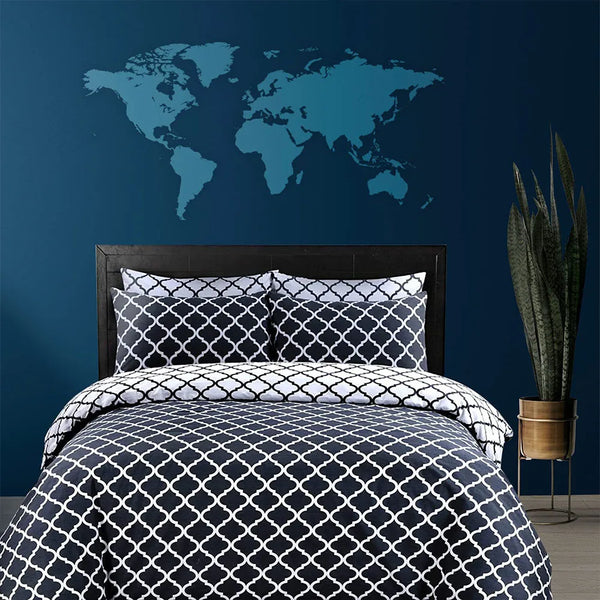
Shop our full range of 100% cotton duvet cover sets, available from Single through to Super King, with free UK delivery on orders over £20.
Shop 100% Cotton Duvet CoversIs 100% Cotton Naturally Hypoallergenic?
Yes, and this is one of the most important things to understand before you buy. Cotton fibres are smooth, breathable, and don't rely on the synthetic coatings that are often responsible for skin irritation in cheaper bedding. Because there's no plastic based fibre or chemical finish involved, pure cotton is one of the safest, most reliably hypoallergenic materials you can choose for a bedroom.
That said, not all bedding labelled "cotton" offers the same benefit. Many budget duvet covers are described as cotton rich or cotton blend, meaning they're mixed with polyester to reduce cost and cut down on ironing. These blends lose much of the breathability and skin friendliness that make pure cotton so effective for allergy prone sleepers. If hypoallergenic performance is your priority, always check the label specifically states 100% cotton, rather than "cotton rich" or "cotton touch."
For the strongest hypoallergenic benefit, look for a tight, dense weave alongside genuine 100% cotton composition. The tighter the weave, the harder it is for dust mites and airborne allergens to pass through the fabric and settle close to your skin.
Types of 100% Cotton Duvet Covers
Not all 100% cotton feels the same. The weave, meaning how the fibres are woven together, has a much bigger impact on comfort than most people realise, and choosing the right one can make the difference between bedding that feels genuinely indulgent and bedding that just feels ordinary.
Egyptian cotton
Egyptian cotton is prized for its exceptionally long fibre strands, known as long staple cotton, which produce a smoother, stronger, and silkier finish than standard cotton. This is the closest you'll get to a genuine hotel quality feel at home, and it tends to soften beautifully over repeated washes rather than pilling or thinning.
Percale weave
Percale is a simple, tightly woven, one thread over one thread under weave that produces a crisp, matte finish similar to a fresh hotel bedsheet. It's highly breathable and stays cool to the touch, which makes it a favourite among hot sleepers and anyone who finds themselves kicking off the covers at 2am.
Sateen weave
Sateen uses a different weaving technique that floats more thread across the surface, giving the fabric a smoother, slightly glossy finish and a noticeably softer feel. It's a little less breathable than percale, which makes it well suited to cooler months or bedrooms that tend to run chilly.
Combed and ring spun cotton
These terms describe how the raw cotton fibres are processed before weaving. Combed cotton has had shorter, weaker fibres removed, leaving a smoother, more even yarn, while ring spun cotton is twisted more tightly during spinning for extra strength. Both processes typically result in a softer, more durable finished fabric, and you'll often see these terms alongside thread count on product listings.
| Weave Type | Feel | Breathability | Best For |
|---|---|---|---|
| Egyptian Cotton | Silky, luxurious | Excellent | Hotel style comfort, long term durability |
| Percale | Crisp, matte | Excellent | Hot sleepers, warm weather use |
| Sateen | Smooth, slightly glossy | Good | Softness lovers, cooler months |
Scroll sideways to see the full table.
What to Look for When Buying 100% Cotton Duvet Covers in the UK
With so many bedding options available online, it's easy to get lost in marketing terms that don't actually tell you much about quality. Here's what genuinely matters when you're shopping for 100% cotton duvet covers in the UK.
Thread count explained
Thread count refers to the number of threads woven into one square inch of fabric. It's a useful indicator, but it isn't the whole story. A very high thread count made from poor quality, short staple cotton can actually feel worse than a moderate thread count made from long staple cotton. Rather than chasing the highest number possible, look for a thread count between 200 and 400 paired with genuine 100% cotton for the best balance of softness, breathability, and durability.
GSM, or grams per square metre
GSM measures how much a fabric weighs per square metre, which gives you a sense of its density and thickness. A higher GSM generally means a more substantial, heavier feeling duvet cover, which many people associate with a more premium, weighted quality similar to hotel bedding.
Certifications: OEKO-TEX and GOTS
If hypoallergenic performance matters to you, certification labels are worth checking. OEKO-TEX certification confirms the fabric has been tested and is free from harmful substances, while GOTS, the Global Organic Textile Standard, confirms the cotton was grown organically and processed without harsh chemicals. Either certification adds real confidence for anyone buying bedding for sensitive skin, children, or allergy sufferers.
Weave type
As covered above, percale suits hot sleepers who want a cool, crisp finish, while sateen suits those who prioritise softness above all else. Both are excellent 100% cotton options for allergy prone sleepers, so the choice largely comes down to personal comfort preference rather than one being objectively better than the other.
Stitching and finishing
Check the seams and corners before you buy. Reinforced double stitching along the seams, sturdy corner ties or loops to keep the duvet in place, and a well finished button or zip closure all make a noticeable difference to how well a cover holds up after repeated washing.
| Thread Count Range | Quality Tier | Typical UK Price Range |
|---|---|---|
| 180 to 200 | Everyday / Budget | £15 to £25 |
| 200 to 400 | Mid range / Most Popular | £25 to £45 |
| 400 to 800+ | Premium / Luxury | £45 to £90+ |
Scroll sideways to see the full table.
UK Duvet Cover Sizing Guide
Getting the size right matters just as much as getting the fabric right. UK duvet cover sizing follows standard bed dimensions, but it's always worth double checking your current duvet before ordering, since sizing can vary slightly between manufacturers.
| Bed Size | Duvet Cover Dimensions | Typical Bed Width |
|---|---|---|
| Single | 135cm x 200cm | 90cm |
| Double | 200cm x 200cm | 135cm |
| King | 220cm x 230cm | 150cm |
| Super King | 220cm x 260cm | 180cm |
Scroll sideways to see the full table.
If you're buying for a guest room, a growing child's bed, or a bed with an unusually thick mattress topper, it's worth measuring your existing duvet flat before ordering, rather than relying on the bed size alone.
Best 100% Cotton Duvet Covers by Need
Everyone's bedroom needs are a little different, so rather than a generic "top picks" list, here's how to choose based on your specific priority.
Best for sensitive skin and allergies
If sensitive skin or mild allergies are your main concern, prioritise a tightly woven, 100% cotton cover with a thread count of at least 300 and, ideally, OEKO-TEX certification. The dense weave physically limits how easily dust and allergens settle close to your skin, while the certification gives peace of mind that no harsh chemicals were used in processing.

Recommended: our 800 thread count 100% Egyptian cotton duvet cover set, soft, breathable, and gentle on sensitive skin.
Shop This SetBest for hot sleepers
A percale weave 100% cotton duvet cover is the best match here. Its tight, matte weave stays cool against the skin and doesn't trap heat the way a heavier sateen or a synthetic blend can, making it ideal for anyone who regularly overheats during the night.
Best for everyday affordable comfort
If you simply want reliable, comfortable, hypoallergenic bedding without paying a premium, a 180 to 200 thread count 100% cotton duvet cover delivers excellent everyday softness and breathability at a genuinely accessible price point.
Best for kids' bedrooms
Children's skin tends to be more reactive than adult skin, and kids' bedding gets washed far more frequently. A soft, 100% cotton duvet cover holds up well to regular washing while remaining gentle enough for young, sensitive skin.
Best for luxury bedrooms (King and Super King)
For larger UK beds, an 800 thread count Egyptian cotton duvet cover delivers a genuinely hotel quality finish, with the extra fabric weight and drape that make king and super king beds feel properly indulgent.
100% Cotton vs Polycotton vs Microfibre Duvet Covers
It's worth understanding exactly why 100% cotton outperforms the alternatives most UK shoppers will come across, particularly if hypoallergenic performance is your main priority.
| Material | Breathability | Hypoallergenic? | Durability | Best For |
|---|---|---|---|---|
| 100% Cotton | Excellent | Yes | High | Sensitive skin, all year comfort |
| Polycotton | Moderate | Limited | Medium | Easy care, budget buyers |
| Microfibre | Low to Moderate | No | Medium | Budget, low maintenance bedding |
Scroll sideways to see the full table.
Polycotton blends the durability of polyester with some of the softness of cotton, making it easier to iron and quicker to dry. That convenience comes at the cost of breathability and hypoallergenic performance, though. Microfibre, meanwhile, is entirely synthetic, and while it's often the cheapest option on the shelf, it traps heat and lacks the natural, skin friendly qualities that make pure cotton the better long term choice, particularly for allergy prone households.
How to Care for Your 100% Cotton Duvet Cover
Proper care doesn't just keep your bedding looking fresh. For allergy sufferers, it's essential for actually maintaining the hypoallergenic benefit over time. Dust mites and allergens build up in fabric fibres regardless of material, so a consistent washing routine matters just as much as the fabric choice itself.
| Do | Avoid |
|---|---|
| Wash at 40 to 60°C to remove allergens effectively | Washing above 60°C repeatedly, which can weaken cotton fibres over time |
| Tumble dry on low heat or air dry naturally | High heat drying, which can cause shrinkage and stiffen the fabric |
| Wash weekly if allergy prone | Leaving bedding unwashed for two weeks or more |
| Use a mild, fragrance free detergent | Heavily scented fabric softeners, which can irritate already sensitive skin |
Scroll sideways to see the full table.
For anyone specifically managing allergies or sensitive skin, a weekly wash at 60°C is generally considered the most effective routine for keeping dust mite populations down, while still being gentle enough not to damage good quality cotton over time. It's also worth airing your bedroom each morning by opening a window for ten to fifteen minutes, since this reduces the humidity that dust mites rely on to thrive.
Common Buying Mistakes to Avoid
Even careful shoppers can be caught out by bedding marketing. Watch out for these common pitfalls when buying a 100% cotton duvet cover in the UK.
- Assuming "cotton rich" means 100% cotton. These are different products, and cotton rich bedding is usually a blend that loses much of cotton's natural breathability.
- Chasing thread count above everything else. A high thread count paired with poor quality fibre will feel worse than a moderate thread count made from long staple cotton.
- Ignoring the weave type. Percale and sateen suit very different sleepers, so picking based on price alone can leave you with bedding that doesn't match how you actually sleep.
- Skipping the size check. UK duvet cover sizing is fairly standard, but mattress toppers, growing children, and older duvets can all throw off the fit.
- Overlooking certification. If sensitive skin is a concern, an OEKO-TEX or GOTS label is worth the extra few pounds for genuine peace of mind.
Frequently Asked Questions
Is 100% cotton better than Egyptian cotton?
This isn't really an either or comparison. Egyptian cotton is a premium type of 100% cotton, known for its longer fibre strands and extra softness. Rather than choosing between the two, think of Egyptian cotton as a quality tier within the broader 100% cotton category.
What thread count is best for a 100% cotton duvet cover?
For most UK households, a thread count between 200 and 400 offers the best balance of softness, breathability, and everyday value, without paying a premium for marginal extra softness.
Are 100% cotton duvet covers hypoallergenic?
Yes. Because pure cotton is a natural, breathable fibre free from synthetic coatings, it's widely regarded as one of the safest and most reliably hypoallergenic bedding materials available.
How often should I wash my cotton duvet cover?
Once a week is generally recommended, particularly for allergy sufferers, since this helps keep dust mite and allergen levels down before they have a chance to build up.
What size duvet cover do I need for a UK double or king bed?
A standard UK double duvet cover measures 200cm x 200cm, while a king size measures 220cm x 230cm. Always check the exact dimensions of your current duvet before buying, since sizing can vary slightly between manufacturers.
Can 100% cotton duvet covers help with eczema?
Many people with eczema and other sensitive skin conditions find pure cotton more comfortable than synthetic bedding, since it lacks the chemical coatings and poor breathability that can aggravate irritated skin. It's still sensible to check for OEKO-TEX certification and to wash new bedding before first use.
Do 100% cotton duvet covers shrink in the wash?
A small amount of shrinkage is normal the first time you wash any 100% cotton item, usually around 3 to 5 percent. Washing at the recommended temperature and avoiding high heat tumble drying will keep this to a minimum.
Final Thoughts
100% cotton duvet covers remain one of the safest, most breathable choices available for UK homes, and they're especially valuable for anyone dealing with sensitive skin or mild allergies. Whether you lean towards the luxurious feel of Egyptian cotton or the crisp, cool comfort of percale, the key principle stays the same. Choosing genuine 100% cotton over cotton rich blends is the simplest way to protect both your comfort and your sleep quality, night after night.


Ready to upgrade your bedding? Shop our full range of 100% cotton, hypoallergenic white hotel collection, with free delivery on orders over £20.
Shop White Hotel Collection


