




Discovering mould on your mattress can feel alarming, especially when you don’t know how long it’s been there. In the UK, where humidity is often high and winters are damp, mattress mold is more common than people realise. At Dtex Homes, we help homeowners protect their sleep environment with practical guidance and high-quality bedding solutions designed for UK climates.
This detailed guide explains how to remove mould from a mattress, how to prevent it from returning, and how to ensure your bedroom remains a healthy space for your family.
Understanding Mattress Mold: What It Really Is

Before learning how to get rid of mould on your mattress, it’s crucial to understand what mattress mold actually is, why it appears, and how it spreads. Mold is a fungus that thrives in warm, dark, and moist spaces—making your mattress the perfect target if conditions are right.
What Does Mold on a Mattress Look Like?
Mold on a mattress often appears as:
- Black dots or clusters (commonly black mould)
- Green patches or fuzzy spots
- Brown stains or yellowish discoloration
- Orange or pink areas (less common but still mold)
How to Identify Mould from Normal Stains
Identifying whether a mark on your mattress is mould or just a regular stain is essential for keeping your sleeping environment healthy. Mould tends to grow outward and often has a fuzzy, velvety, or textured appearance. Its edges are irregular, and it can appear in shades of black, green, or even white, slowly spreading over time if not treated.
On the other hand, normal stains from sweat, spills, or food are usually flat and stay confined to the area where the liquid made contact. They do not have a textured surface and do not continue spreading. Paying close attention to these differences can help you determine whether your mattress requires a thorough cleaning or professional treatment to prevent health issues from a mouldy mattress.
Use a Torchlight for Better Inspection
Shine a torch at an angle on the mattress surface—mold spores often become more visible.
Early Stage Mold in Mattress Symptoms
Spotting mold early helps reduce damage. Early signs may include:
- A light musty smell when you enter the bedroom
- Small greyish dots barely visible to the eye
- Increased sneezing, coughing, or allergies
- Irritated eyes in the morning
Health Clues That Indicate Hidden Mold
If you notice morning headaches, skin itching, or breathing difficulty, hidden mold inside the mattress may be the cause.
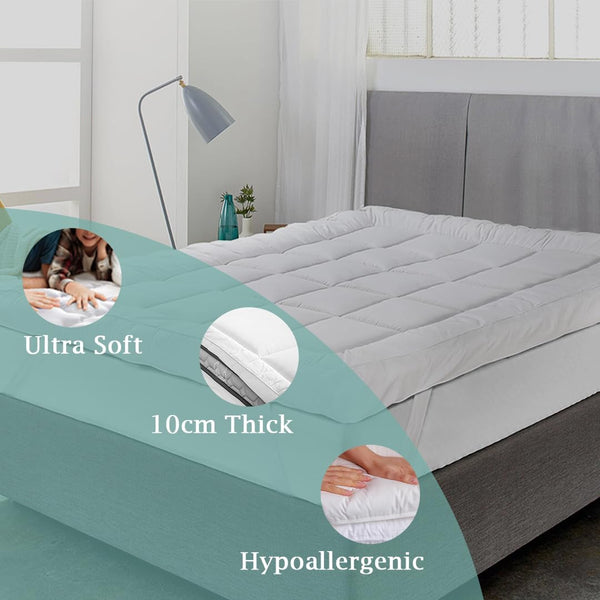
Difference Between Mold, Mildew & Black Mould

Understanding the difference between mildew, regular mold, and black mould is important because it helps you choose the right cleaning method and protect your health.
What Is Mildew?
Mildew usually grows on the surface of materials and appears as grey or white powdery spots. It is relatively easy to remove, often just requiring a gentle wipe with a cleaning solution. Mildew does not penetrate deeply into fabrics or foam, which makes it less harmful compared to other types of mold.
What Is Regular Mold?
Regular mold is darker in color, often green, brown, or black, and can penetrate deeper into your mattress or bedding. It spreads faster than mildew and can affect the inner foam, fabric layers, and seams. This deeper growth means it often requires more thorough cleaning and sometimes professional treatment to completely remove it.
What Is Black Mould?
Black mould, scientifically known as Stachybotrys chartarum, is the most dangerous type of mold commonly found in homes. It thrives in damp, poorly ventilated areas and can spread quickly if not addressed. Because of its toxic spores, black mould requires urgent removal. For detailed guidance on identifying and managing black mould in UK homes, refer to the NHS resource: NHS – Damp and Mould Guidance.
Why Black Mould Is Harmful
Black mould releases toxins called mycotoxins, which can trigger a range of health problems. Exposure may cause asthma attacks, respiratory irritation, allergic reactions, or even infections, particularly in children, the elderly, or people with weakened immune systems. Identifying black mould early and taking immediate action is crucial to maintaining a safe and healthy home environment.
Common Places Mold Hides in a Mattress
Mold often thrives in areas with poor airflow. Here’s where it usually hides:
- Bottom surface of the mattress
- Edges and stitching lines
- Under mattress protectors without ventilation
- Inside foam layers if moisture penetrates deeply
Hidden Spots Most People Miss
- The underside facing the bed base
- Areas touching walls or corners
Is Mold on a Mattress Dangerous for Your Health?

Is Mold on a Mattress Dangerous for Your Health?
Yes. Mold on mattress can be harmful and should never be ignored. Mold exposure may cause:
- Allergies and sinus problems
- Wheezing or breathing difficulties
- Chest congestion and coughing
- Skin irritation and eczema flare-ups
- Headaches or morning fatigue
Why Mold Is More Dangerous for Children
Mold is especially dangerous for children because they breathe faster than adults during sleep, which means they inhale more airborne spores from a mouldy mattress. These spores can irritate their developing respiratory systems, trigger allergies, worsen asthma, and increase the risk of infections. Ensuring mattresses are clean and mold-free is crucial for keeping children healthy.
Why Mold Is More Dangerous for Children
Mold is especially dangerous for children because they breathe faster than adults during sleep, which means they inhale more airborne spores from a mouldy mattress. These spores can irritate their developing respiratory systems, trigger allergies, worsen asthma, and increase the risk of infections. Ensuring mattresses are clean and mold-free is crucial for keeping children healthy.
When to Seek Medical Attention
If symptoms persist or worsen, consult a GP, especially if black mould is present.
Why Mold Develops on a Mattress

Mold doesn’t grow without a reason. Understanding the cause helps you prevent future outbreaks in your bedroom. UK homes, especially older properties, naturally hold moisture—making mould growth far more common.
Excess Moisture & Humidity in UK Homes
The UK climate is naturally humid, especially during rainy months. Moisture settles inside the mattress layers, creating the perfect environment for mould growth.
Typical UK Humidity Levels
Ideal bedroom humidity: 30%–50% Average UK humidity: 60%–80%
Why This Matters
Anything above 55% humidity encourages mould spores to multiply rapidly.
Poor Ventilation and Closed Bedrooms
Keeping windows shut, especially during winter, traps moisture inside the bedroom. A lack of airflow creates warm, stale air, perfect for mould to spread on and inside your mattress.
Signs Your Room Has Poor Ventilation
- Condensation on windows in the morning
- Walls feeling damp to the touch
- Musty or stale odour inside the bedroom
Mattress Placed Directly on the Floor
A mattress on the floor cannot breathe. The bottom remains cool and moist, causing:
- Faster mould growth
- Dampness buildup
- Increased dust mites and bacteria
Ideal Setup
Always use a raised bed frame to allow airflow beneath the mattress.
Water Damage, Spills & Sweat Buildup
Even small spills, sweat, or accidental water exposure can penetrate deep into the layers of a mattress, creating the perfect environment for mold growth. Over time, this trapped moisture encourages bacteria and fungi to develop, which can lead to unpleasant odors, stains, and potential health risks. Regularly cleaning and drying your mattress helps prevent mouldy mattresses and keeps your sleep environment safe and hygienic.
Common Moisture Sources
- Night sweats
- Pet accidents
- Knocked-over drinks
- High-humidity nights
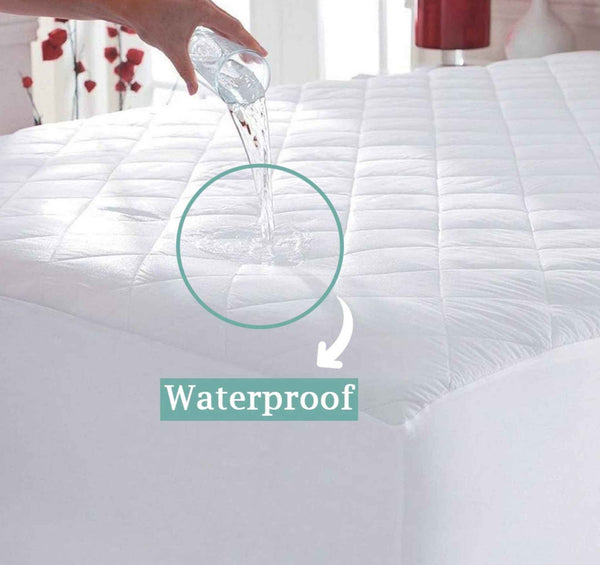
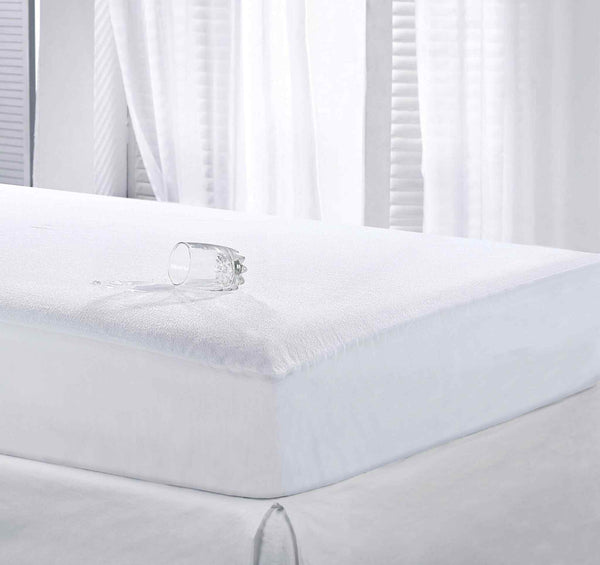
Why Dtex Homes Recommends Waterproof Protectors
A high-quality protector prevents moisture from entering the foam and fabric layers, significantly reducing mould risk.
Shop Water Proof Mattress Protector
How Mattress Materials Affect Mold Growth
Memory Foam
Memory foam absorbs moisture quickly, making it more prone to mould growth. Using a waterproof protector and airing it regularly is essential.
Latex Foam
Latex mattresses are more breathable and naturally resistant to moisture. This makes them less likely to develop mold, even in damp conditions.
Pocket Spring Designs
Pocket spring mattresses allow better airflow, reducing moisture buildup. This helps slow down mold development and keeps the mattress fresher for longer.
Is Your Bedroom Encouraging Mould Growth?
Your environment plays a key role in mould growth. Check if your room has:
- Blocked ventilation
- Furniture pushed against walls
- Lack of natural light
- Old carpeting holding moisture
- Radiators causing uneven heat distribution
Bedroom Checklist for UK Homes
A simple bedroom checklist can help prevent mould on mattresses in UK homes. Use a hygrometer to monitor humidity levels and keep them below 55%, as higher moisture encourages mold growth. Regularly ventilate the room, avoid placing the mattress directly on the floor, and ensure bedding is clean and dry to maintain a healthy sleep environment.
Smart Prevention Tip:
Add a dehumidifier in winter to prevent mould on mattress.How to Spot Mold on Your Mattress Early

Early detection is the key to stopping mattress mould before it spreads into deeper layers of the foam or fabric. In UK homes—especially where humidity rises during winter and homes remain closed for long periods—mould can grow quietly without any major visible signs at first. Spotting it early helps you save your mattress, protect your health, and avoid expensive replacements.
Visual Signs – Black, Green or Brown Spots
The first and most common indicator is the appearance of black mould spots scattered across the mattress surface. These dots may appear:
Typical Colours of Mattress Mould
- Black mould – usually indicates moisture trapped deep inside.
- Green mould – often found near spills or food stains.
- Brown mould – commonly linked to older, untreated moisture patches.
Where the Spots Usually Form
- Edges and corners of the mattress
- Underneath the mattress (most ignored area)
- Fabric seams and stitching lines
- Areas where sweat accumulates during sleep
If the spots grow larger or change colour, it usually means mould is spreading deeper, making quick cleaning essential.
Strange or Musty Odours
A stale, earthy smell is a strong sign of hidden mould. This smell may get stronger when you first enter the bedroom or when you press down on the mattress. A musty odour means mould has already released spores inside the mattress layers.
Why Odours Matter
Mould smell can warn you much earlier than visible signs. If you notice any sudden weird smell around your bed, it’s time to inspect the mattress thoroughly.
Allergy or Breathing Issues
Mould spores can cause mild to severe reactions—even when the mould isn’t visible yet. UK customers often report issues such as:
- Worsening allergies during nighttime
- Morning headaches or sinus pressure
- Shortness of breath or wheezing
- Red, itchy eyes
- Skin itchiness
When Symptoms Get Worse
If your health symptoms improve when sleeping away from home, it is highly likely the mattress or the bedroom environment contains mould.
When to Inspect Weekly
Regular checks are extremely important if you live in a home that is prone to moisture. Consider weekly inspections if:
- Your bedroom lacks windows or ventilation
- You dry clothes indoors
- You have a memory foam mattress (which traps moisture easily)
- You sweat heavily during sleep
- You sleep directly on the floor or have low bed frames
Professional Inspection vs Self-Checking
Most households can detect early mould signs with simple visual and smell checks. However, professional inspection may be required when:
Situations Requiring a Professional
- The mould covers more than 30% of the mattress surface
- You notice black mould streaks inside the foam
- The mattress smells even after cleaning
- You or a family member have asthma or mould allergies
If the mould is too deep, replacement becomes safer. You can explore hygienic and breathable bedding options at Dtex Homes UK for long-term protection.
Immediate Safety Steps Before Cleaning Mold

Before you start cleaning, take safety precautions to avoid spreading mould spores into the air or inhaling them. Mould spores can irritate your lungs, trigger allergies, and settle into other parts of the bedroom.
Wear Protective Gear (Mask, Gloves, Eye Protection)
Always wear protective equipment when handling mould. According to the UK Health Security Agency (UKHSA), mould exposure can cause respiratory issues if inhaled directly.
Recommended Gear
- N95 mask or respirator
- Rubber or latex gloves
- Eye protection or safety glasses
Improve Airflow – Open Windows & Use a Fan
Good ventilation helps prevent spores from lingering in the air. Open windows, switch on fans, and keep the room well-ventilated throughout the cleaning process.
Remove All Bedding & Wash on High Heat
All bedding—including duvet covers, sheets, mattress protectors, pillowcases, and fitted sheets—must be washed at 60°C or above to kill mould spores.
Tip from Dtex Homes
Invest in a 100% cotton mattress protector from Dtex Homes UK to minimise future mould buildup and moisture absorption.
Check Surrounding Walls, Curtains & Flooring for Mold
Mould rarely stays on the mattress alone. Check:
- The wall behind the headboard
- Carpets or rugs near the bed
- Bedroom windowsills
- Closets, curtains, or blinds
When to Avoid Sleeping on a Moldy Mattress
You should never sleep on the mattress until the mould is fully removed, especially if:
- You have breathing issues or asthma
- You see black mould colonies
- The bed smells strongly of dampness
Step-by-Step Guide: How to Remove Mold From Your Mattress

This step-by-step process is based on safe cleaning practices recommended by home hygiene experts and adapted to UK homes where humidity is a common concern.
Step 1 – Vacuum the Mattress Properly
Use a vacuum with a HEPA filter to avoid blowing spores back into the room.
Vacuuming Tips
- Vacuum all sides—top, bottom, and edges
- Use the upholstery attachment for deeper reach
- Empty the vacuum outside your home afterwards
Step 2 – Use Sunlight Exposure (If Weather Allows)
Direct sunlight naturally kills mould spores. On a sunny UK day, place the mattress outdoors or near the largest window.
Best Sun Exposure Conditions
- At least 2–4 hours of strong sunlight
- Flip the mattress halfway
- Ensure the surface is completely dry before bringing it back
Step 3 – Spot-Treat Mold Patches Safely
Use a cloth dampened with a cleaning solution and gently dab (do not rub) the mould spots. Rubbing spreads the spores further.
Step 4 – Deep Clean Using Approved Solutions
Depending on severity, choose a safe mould-killing solution (listed below). Each works differently on foam, cotton, and hybrid mattresses.
Step 5 – Fully Dry the Mattress Before Use
Drying is crucial. Any leftover moisture encourages mould to return. Use:
- Fans
- Dehumidifiers
- Warm airflow from a hairdryer (low heat setting)
Step 6 – Deodorise & Sanitise the Mattress
Once cleaned, sprinkle baking soda to remove odours. Leave for several hours, then vacuum again. Finally, sanitise with a light mist of rubbing alcohol to prevent future mould growth.
Best Cleaning Solutions for Removing Mattress Mold

Different cleaning solutions work better on different levels of mould severity. Always patch test before applying anything to the entire surface.
Removing Mold Using White Vinegar
White vinegar is a natural anti-fungal agent and safe for most fabrics.
How to Use
- Mix equal parts white vinegar and warm water
- Spray lightly on the mould patches
- Dab gently and let it sit for 1 hour
Removing Mould with Baking Soda Paste
Baking soda absorbs moisture and neutralises odours.
Recipe
Mix:
- 3 tablespoons baking soda
- 1 tablespoon water
Rubbing Alcohol Treatment
Rubbing alcohol is an effective way to kill surface-level mold and bacteria on a mattress. Mix equal parts rubbing alcohol and water, lightly apply it to the affected area, and gently scrub with a clean cloth. It evaporates quickly, helping the mattress dry faster while stopping further mould spread.
Hydrogen Peroxide for Stubborn Black Mould
Hydrogen peroxide is effective for treating deep or stubborn black mould, as it penetrates the mattress fibres and kills mould at the root. However, it must be used carefully because it can lighten or bleach certain fabrics. Apply sparingly, let it bubble on the surface, and wipe clean once the reaction stops.
Tea Tree Oil + Vodka Natural Mould Treatment
Tea tree oil is a strong natural antifungal that helps kill mould without harsh chemicals. When mixed with vodka or high-proof alcohol, it becomes even more effective at breaking down mould spores. Lightly mist the mixture onto the affected area, let it sit, and wipe clean for a gentle but powerful natural treatment.
How to Use
- Mix 20 drops tea tree oil with 1 cup vodka or rubbing alcohol
- Spray lightly and let it sit for 30 minutes
Homemade Mould Killers vs Store-Bought Cleaners
Homemade solutions are safer and cost-effective, but store-bought cleaners kill mould faster and reach deeper layers. For mattresses heavily affected by mould, professional-grade cleaners are often required.
Professional-Grade Cleaning Methods
If DIY cleaning is not enough, advanced techniques used by professional cleaners can fully sanitise and restore the mattress—if the mould has not penetrated too deeply.
When DIY Mould Removal Isn’t Enough
Seek professional help when:
- Mould keeps returning even after cleaning
- Your mattress has deep foam layers
- You notice strong, persistent odours
- Mould patches cover a large area
Professional Steam Cleaning
Steam cleaning uses high heat to kill mould spores and bacteria hidden inside the mattress structure.
HEPA Vacuum Mold Extraction
Specialised HEPA vacuums extract microscopic mould particles much more effectively than household vacuums.
Deep Disinfection & Anti-Fungal Treatments
Professionals apply industrial anti-fungal solutions that prevent mould from returning for months.
When You Should Replace the Mattress
You must replace the mattress when:
- Mould has penetrated deeper than the top layer
- You notice structural damage or foam breakdown
- You or your family experience continuous health issues
Explore breathable, premium-quality mattress protectors and bedding at Dtex Homes UK to avoid mould problems in the future.
How to Stop Mold Spreading to Your Mattress

Once mould appears, your first priority is preventing it from spreading further. Mould thrives in dark, warm, and humid environments—conditions commonly found in many UK bedrooms, especially during winter. By improving airflow and creating a healthier sleeping environment, you can significantly reduce the risk of mould taking over your mattress again.
Improve Bedroom Ventilation
Good ventilation is the backbone of mould prevention. Many UK homes suffer from trapped humidity due to closed windows, lack of air circulation, and condensation on walls and windows.
Ways to Improve Airflow Daily
- Open bedroom windows for at least 20–30 minutes each morning
- Keep doors partially open to allow cross ventilation
- Use extractor fans during showers to reduce indoor moisture
- Place a small fan in the room to circulate air
Keep Mattress Elevated – Never Place on Floor
A mattress placed directly on the floor traps moisture underneath, creating the perfect breeding ground for mould colonies.
Why Elevation Matters
- Improves airflow beneath the mattress
- Prevents condensation buildup
- Keeps mattress fabric dry and breathable
Recommended Bed Type
Platform beds, slatted frames, or adjustable beds ensure consistent airflow and prevent mould from forming underneath.
How to Let Your Mattress Breathe Daily
Your mattress needs regular breathing time, especially after a night of absorbing sweat and heat.
Simple Breathing Practices
- Fold your duvet halfway down for 20 minutes every morning
- Avoid making the bed immediately
- Occasionally leave the mattress exposed for longer airing
Use a Waterproof and Breathable Mattress Protector
A high-quality mattress protector acts as the first line of defence against sweat, spills, and moisture. At Dtex Homes UK, we offer breathable cotton protectors designed to stop moisture from entering deeper layers of the mattress.
Benefits of a Mattress Protector
- Shields mattress from liquids
- Improves hygiene
- Reduces risk of hidden mould growth
- Can be washed regularly at high heat
Reduce Humidity with a Dehumidifier
Humidity levels above 60% accelerate mould growth. A dehumidifier keeps moisture balanced inside the bedroom.
Where to Place the Dehumidifier
- Near the bed but not directly beside it
- Close to windows where condensation forms
- In corners where dampness tends to accumulate
Avoid Storing Items Under The Bed That Trap Moisture
Items like clothes, cardboard boxes, shoes, and bags trap humidity under the bed.
What Not to Store Under the Bed
- Clothing
- Old bedding
- Paper boxes
- Fabric storage bags
Safe Alternatives
Use airtight plastic containers if necessary—but avoid overcrowding. The goal is to allow air to pass underneath the mattress.
Preventing Future Mold Growth in UK Homes

Mould prevention requires consistent habits and an understanding of how UK weather influences indoor humidity. By making small adjustments, you can create a dry, clean, and mould-free sleeping environment year-round.
Control Humidity in Winters & Rainy Weather
Winter in the UK brings high condensation levels on windows, colder walls, and overall increased moisture.
Humidity Control Tips
- Use a dehumidifier during cold and rainy seasons
- Keep windows slightly open during showers or cooking
- Wipe window condensation every morning
- Heat the room consistently to prevent cold surfaces
Regular Mattress Rotation & Airing
Rotating the mattress helps prevent moisture buildup on any single area.
Rotation Guide
- Rotate every 1–2 months
- Flip (if double-sided) every 3–4 months
- Airing the mattress during every rotation improves freshness
Choosing Mold-Resistant Bedding Materials
Your bedding plays an important role in mould prevention. Breathable fabrics such as cotton help reduce heat and moisture buildup.
Recommended Bedding from Dtex Homes UK
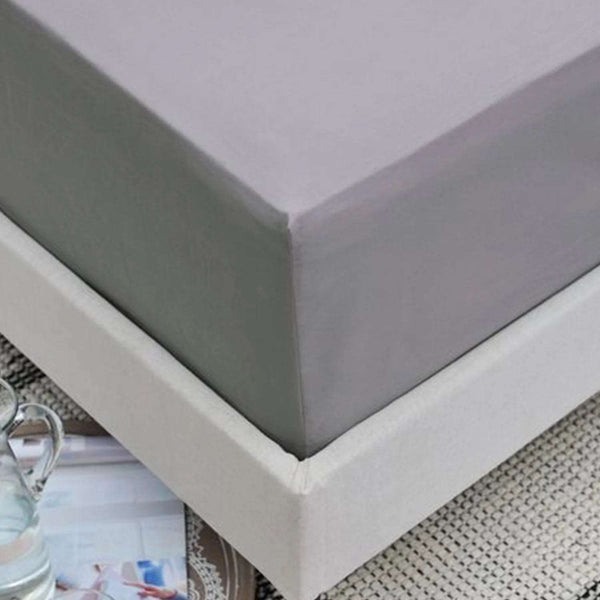
- 100% Cotton Fitted Sheets
- Breathable Duvet Covers
- Moisture-control mattress protectors
Explore mould-resistant options at Dtex Homes.

Weekly Cleaning Routine for Mold Prevention
A weekly cleaning routine helps remove sweat, dust, and allergens that contribute to mould growth.
Weekly Checklist
- Wash bedding at 60°C
- Vacuum the mattress surface lightly
- Air out the bedroom for at least 30 minutes
- Use baking soda on the mattress every 2–3 weeks
Ideal Bedroom Temperature for Mold Reduction
Mould loves warm, stagnant air. The ideal temperature to prevent mould is between 16°C to 20°C.
Why Temperature Matters
If your room is too warm, bacteria and mould multiply faster. Keeping the bedroom cool and dry helps maintain a healthier sleep environment.
How Your Mattress Type Impacts Mold Growth
Not all mattresses handle moisture the same way. Some materials trap humidity, while others naturally repel mould. Understanding your mattress type helps you prevent future issues and choose better bedding.
Memory Foam vs Latex Mattresses
Memory foam mattresses tend to trap more heat and sweat because of their dense structure. This makes them more vulnerable to mould growth in damp UK homes.
Memory Foam – Pros & Cons
- Pros: Excellent comfort, pressure relief
- Cons: Low breathability, high moisture retention
Latex Mattress – Pros & Cons
- Pros: Naturally mould-resistant, breathable
- Cons: More expensive
Pocket Spring vs Hybrid Designs
Pocket spring mattresses allow greater airflow because the spring structure creates ventilation gaps.
Comparison Table
| Mattress Type | Mould Resistance | Breathability |
|---|---|---|
| Pocket Spring | High | Excellent |
| Hybrid | Moderate | Good |
| Memory Foam | Low | Poor |
Which Mattresses Breathe Better in UK Climate?
Due to frequent moisture and inconsistent temperatures in the UK, breathable mattress types perform best.
Best Options for UK Homes
- Pocket Spring Mattresses
- Natural Latex Mattresses
- Hybrid Mattresses with ventilation layers
Why Cheap Mattresses Attract More Mold
Cheap mattresses often use low-quality foam that absorbs moisture quickly and lacks ventilation channels.
Common Issues with Low-Quality Mattresses
- Weak fabric that traps sweat
- Low-quality foam that retains moisture
- Poor stitching that allows mould to grow inside seams
Mold on Bedding, Walls & Surroundings: What to Do

Mold doesn’t just affect your mattress—it can also appear on bedding, walls, curtains, and flooring. Addressing these areas is critical to stopping spores from spreading and preventing reinfestation in your UK home.
How to Remove Mold from Walls Using Vinegar
White vinegar is a powerful natural mold killer. It penetrates porous surfaces, preventing mold from returning.
Step-by-Step Guide
- Mix equal parts white vinegar and water in a spray bottle
- Spray the affected area generously
- Let it sit for 60 minutes
- Wipe with a clean cloth and dry thoroughly
- Repeat if mold persists
Pro Tips for UK Homes
- Use vinegar indoors when windows are open for ventilation
- Avoid mixing vinegar with bleach—it produces toxic fumes
- Check walls for recurring damp spots
Removing Mold from Curtains & Fabric
Fabric items can harbor mold spores if they are damp or stored improperly.
Cleaning Method
- Remove curtains or washable fabric items
- Wash at the highest safe temperature according to the care label
- Use 1 cup of white vinegar in the rinse cycle for additional mold removal
- Dry completely in sunlight or tumble dry if safe
Non-Washable Fabrics
For items like upholstered curtains, use a HEPA vacuum and a mold-killing spray. Always test on a small hidden area first.
Cleaning Mold from Carpets & Flooring
Carpets, rugs, and wooden flooring can also be breeding grounds for mold.
Carpet Cleaning Steps
- Vacuum the affected area with a HEPA vacuum
- Apply a mixture of water and white vinegar or a commercial mold remover
- Scrub lightly with a soft brush
- Use fans or dehumidifiers to ensure the area dries completely
Wood & Laminate Floors
Wipe with a vinegar solution, then dry thoroughly. Avoid leaving moisture on the surface to prevent wood damage.
When You Need to Replace Your Moldy Mattress
Sometimes, even after thorough cleaning, a mattress may remain unsafe. Knowing when to replace it is essential for health and sleep quality.
Signs the Mold Damage Is Beyond Cleaning
- Persistent black mold spots inside mattress layers
- Strong, musty odor even after cleaning
- Visible damage to mattress structure
- Repeated mold recurrence despite preventative measures
Health Risks of Sleeping on a Moldy Mattress
Exposure to mattress mold can lead to respiratory issues, allergies, skin irritation, and in severe cases, fungal infections. NHS guidance on mold exposure explains potential health hazards.
How Long Mold Takes to Return After Cleaning
Without proper prevention, mold can return within days. Moisture, poor ventilation, and warm temperatures accelerate regrowth.
Tips to Prevent Rapid Mold Return
- Use a breathable mattress protector
- Air mattress daily
- Control room humidity with a dehumidifier
Choosing a Safer, Breathable Mattress Replacement
Opt for natural latex or pocket spring mattresses that resist moisture accumulation. Dtex Homes UK recommends investing in high-quality mattresses with breathable fabrics to maintain a healthy sleep environment.
Dtex Homes Recommendation: The Best Mattress Protection for UK Homes
Preventative solutions are as important as cleaning. Dtex Homes UK offers products designed for anti-mold hygiene and long-term mattress protection.
Why a Waterproof Mattress Protector Is Essential
A waterproof and breathable mattress protector shields your mattress from sweat, spills, and humidity, effectively reducing the risk of mold growth.
Key Benefits
- Prevents moisture penetration
- Reduces allergen accumulation
- Easy to wash and maintain
Breathable Bedding Options by Dtex Homes
Breathable sheets, duvet covers, and pillow protectors promote airflow and decrease the likelihood of mold forming under your bedding.
Recommended Products
How Dtex Homes Ensures Anti-Mould Sleep Hygiene
Through quality fabrics, moisture-resistant materials, and regular hygiene recommendations, Dtex Homes UK helps UK homeowners maintain a mold-free sleep environment.
Benefits of Investing in Quality UK Bedding
- Reduced risk of moldy mattress
- Longer lifespan of your mattress
- Healthier and more comfortable sleep
FAQs
Can you remove mold from a mattress?
Yes, using methods like vacuuming, sunlight exposure, white vinegar, baking soda, and approved mold removers. Severe cases may require professional cleaning or replacement.
What kills 100% of mold?
There is no guaranteed method to kill 100% of mold permanently. However, hydrogen peroxide, tea tree oil solutions, and professional anti-fungal treatments are highly effective.
What causes black mould on a mattress?
Excess humidity, sweat accumulation, poor ventilation, and placing the mattress directly on the floor are the main causes.
Should you throw out a moldy mattress?
If the mattress has persistent black mold inside layers, odor, or structural damage, replacement is the safest option.
What are signs of mold sickness?
Symptoms include coughing, sneezing, itchy eyes, skin irritation, sinus congestion, and in extreme cases, respiratory infections. Vulnerable individuals such as children or asthma sufferers are at higher risk.


