




When customers ask us at Dtex Homes (UK), “How often should you change your bed sheets?”, they are often surprised by the answer. Clean bedding is not just about appearance — it directly affects your sleep quality, hygiene, allergies, and overall well-being.
In this detailed UK-focused guide, we’ll explain how often you should change your sheets, what experts recommend, how seasonal factors affect bed sheet changing frequency, and how choosing quality sheets for bedding can make maintenance easier.
Why Bed Sheet Changing Frequency Matters More Than You Think

Many UK households underestimate how often bed sheets should be changed. Even if your bed looks clean, your bedding collects microscopic debris every single night.
What Really Builds Up in Your Bedding Over Time
Sweat, body oils and dead skin cells
Every night, your body naturally sheds thousands of skin cells and releases sweat and oils. These substances soak into your sheets, pillowcases and duvet covers.
Why this matters for hygiene
Over time, this build-up creates an environment where bacteria can multiply. If you’re wondering how often should I change my bed sheets, remember that visible dirt is not the real issue — invisible accumulation is.
Expert insight
According to sleep hygiene guidance from the NHS sleep advice, maintaining a clean sleep environment supports better rest and overall health.
Dust mites and allergens in UK homes
Dust mites thrive in warm, humid bedding — especially in the UK, where indoor heating during winter creates ideal conditions.
How often should bedding be changed for allergy sufferers?
If you suffer from asthma or allergies, how often you should wash your bedding becomes even more important. Weekly washing at 60°C helps reduce dust mite populations.
Bacteria and microscopic germs
Unwashed sheets can contain bacteria transferred from skin, pets, and even outdoor clothing. This is why experts often answer the question how often should you wash your bed sheets with a clear recommendation: at least once per week.

How Dirty Sheets Affect Your Sleep Quality

Skin irritation and breakouts
Dirty sheets can clog pores and worsen acne. If you are asking how often should I wash my sheets for clearer skin, weekly washing is ideal.
Impact on sensitive skin
People with eczema or dermatitis may need to wash sheets even more frequently.
Night-time allergies and congestion
Allergen build-up may lead to blocked sinuses, sneezing, and disturbed sleep.
Why pillowcases matter more
Pillowcases collect oils from hair and face, so understanding how often should you change your bedsheets should include more frequent pillowcase washing.
Impact on overall wellbeing
Clean sheets contribute to mental comfort and relaxation. Slipping into fresh bedding after a long day improves sleep onset and stress levels.
The role of quality bedding
Premium breathable sheets — especially for larger setups like a king bed frame — promote airflow and reduce moisture retention, improving hygiene.
How Often Should You Change Your Bed Sheets

Let’s answer the main question clearly: How often should you change your bed sheets?
The General Recommendation for Most UK Households
Weekly washing explained
Most hygiene experts recommend washing your sheets once every 7 days. This is the safest guideline for:
- Couples sharing a bed
- Homes with pets
- People who sweat at night
- Allergy sufferers
Why weekly is ideal
Weekly washing removes sweat, oils and allergens before they accumulate. If you are searching how often should u wash bed sheets, this is your clear answer: every week.
Bi-weekly washing – when is it acceptable?
Washing every two weeks may be acceptable if:
- You shower before bed
- You sleep alone
- You do not sweat heavily
- No pets share the bed
But be cautious
Even in these cases, exceeding 14 days increases bacterial growth. So if you're wondering how often change bed sheets, two weeks should be the absolute maximum.
How Often Should You Wash Your Bed Sheets in Different Seasons

Summer bedding washing habits in the UK
During warmer months, sweating increases. This means how often should you wash sheets may shift from weekly to every 4–5 days.
Humidity and ventilation
Humidity and poor ventilation can make your home feel damp and uncomfortable. When there isn’t enough airflow, moisture gets trapped inside fabrics and surfaces. That’s why homes with limited ventilation often need more frequent washing to stay fresh and clean.
Winter considerations
During winter, you might sweat less, but indoor heating creates a warm, dry environment where dust mites can thrive. Regular cleaning helps keep your home healthy and allergen-free.
Winter washing guidance
Even in winter, it’s important to wash at least once a week. Regular cleaning keeps your home hygienic and helps reduce dust, allergens, and germs.
How Often Should You Change Your Bed Linen vs Duvet Covers

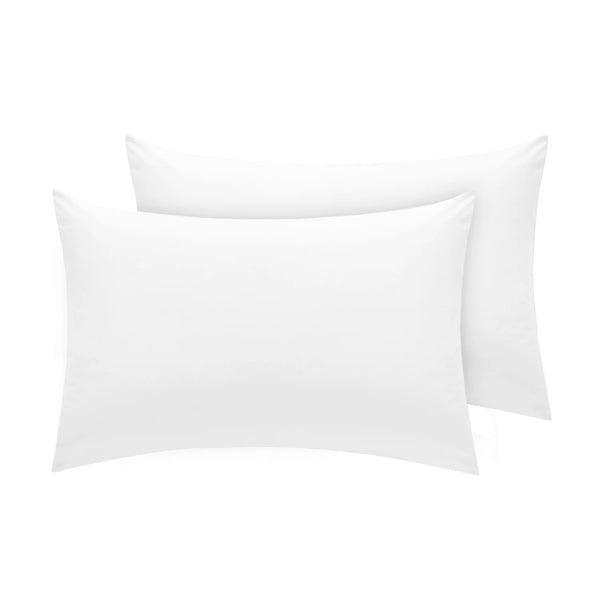
Pillowcases frequency
Pillowcases should be washed every 3–4 days, especially for oily skin, to prevent buildup of sweat, oils, and bacteria and keep them fresh and clean.
Why pillowcases need extra care
Pillowcases need extra care because they absorb facial oils, leftover skincare products, and hair treatments, which can build up and affect skin and hair health.
Duvet covers and fitted sheets
When asking how often should you change your bed linen, remember:
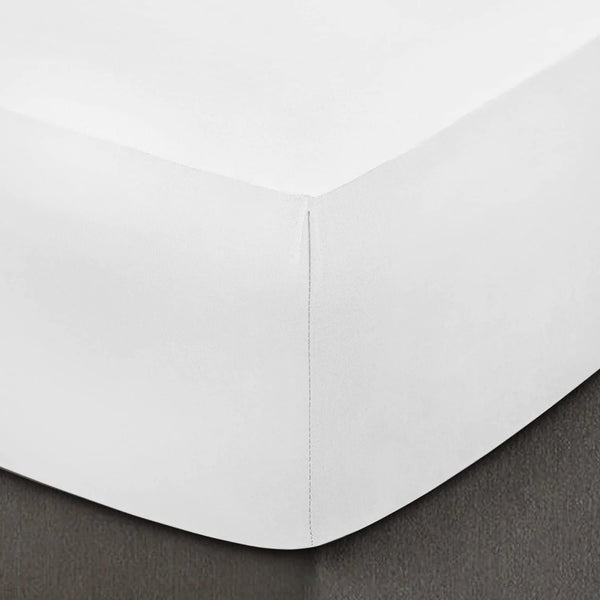
- Fitted sheets: weekly
- Duvet covers: weekly or bi-weekly
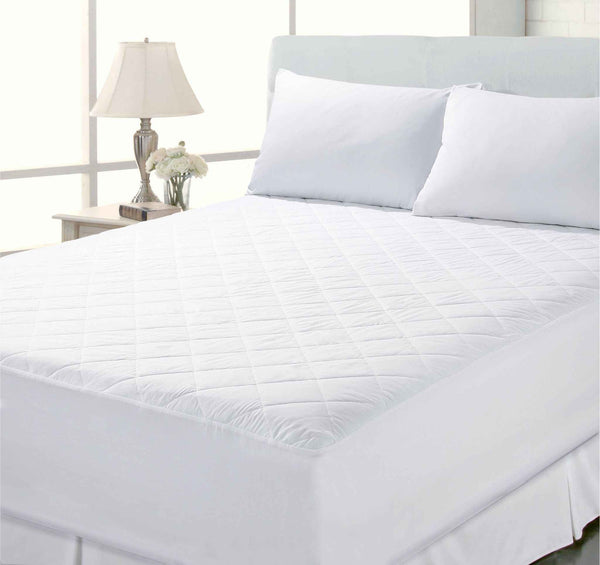
- Mattress protectors: every 2–4 weeks
How often to wash bedding completely
Bedding, including mattress and pillow protectors, should be fully washed at least once a month to remove dirt, sweat, and allergens for a clean and healthy sleep environment.
Professional recommendation
At Dtex Homes UK, we advise customers that investing in high-quality, breathable bedding reduces odour retention and makes weekly washing easier and more effective.


When You Should Change Your Bed Linen More Frequently
While the general answer to how often should you change your bed sheets is once per week, some situations require more frequent washing. Your lifestyle, health conditions, and even who shares your bed can significantly impact bed sheet changing frequency.
If You Have Allergies or Asthma
For allergy sufferers across the UK, understanding how often should you wash your bedding is not just about cleanliness — it’s about symptom control.
Dust mites feed on dead skin cells and thrive in warm mattresses and bedding. According to guidance from the Asthma + Lung UK, reducing dust mite exposure can significantly improve respiratory comfort.
Recommended washing frequency

Expert recommendation for UK homes
If you’re asking how often should bed sheets be washed with allergies, the answer may be every 4–5 days during high pollen seasons.Hypoallergenic bedding benefits
Hypoallergenic bedding helps reduce dust mites, allergens, and irritation, making it a great choice for people with sensitive skin or asthma. Choosing high-quality, breathable sheets for bedding also prevents moisture from getting trapped, which lowers the chance of bacteria and allergen build-up. This means a cleaner, fresher, and more comfortable sleep every night.
Why fabric choice matters
Choosing the right fabric makes a big difference in keeping your bed fresh and comfortable. Natural cotton allows better airflow and helps regulate body temperature, which reduces sweat and moisture build-up. This makes it easier to maintain hygiene and manage how often should you change your bed linen without worrying about odours or discomfort.
If You Sweat at Night

If you sweat at night, your sheets absorb more moisture than usual. This damp environment can quickly lead to bacterial growth and unpleasant odours. In this situation, how often should you change bedding becomes more frequent — ideally every 3 to 5 days — to keep your bed fresh, hygienic, and comfortable.
Hot sleepers and hormonal changes
Menopause, stress, or naturally higher body temperatures can cause excessive sweating.
Adjusted washing schedule
- Wash sheets every 3–5 days
- Rotate between at least two sheet sets
Why this matters
Moisture trapped in bedding creates an ideal environment for microbes, affecting both hygiene and mattress longevity.
Gym-goers and active lifestyles
If you work out regularly and go to bed without showering right after, sweat and bacteria can transfer directly onto your sheets. Over time, this builds up and affects both hygiene and comfort. In this case, you should rethink how often should I change my bed sheets — washing them more frequently helps keep your sleep space clean and fresh.
Post-workout hygiene tip
Always shower before bed to extend freshness between washes.Professional guidance
Active individuals may need to wash bedding every 4–6 days to maintain optimal hygiene.
If You Share a Bed

If you share a bed, there’s naturally more sweat, body oils, and dead skin building up each night. This means bacteria and allergens can accumulate faster than if you sleep alone. Because of that, how often should you wash bed sheets becomes even more important — weekly washing (or slightly more often) helps maintain proper hygiene and comfort.
Couples and hygiene factors
When two people share the same bed, there’s naturally more body heat, sweat, and skin cells being released each night. This means oils, perspiration, and allergens build up much faster in the sheets. Because of this, couples should be more mindful about maintaining a regular washing routine to keep their bedding clean and fresh.
Recommended frequency
Weekly washing is essential, and during warmer months, every 5–6 days may be better.
Pets sleeping on the bed
When pets sleep on the bed, they bring more than just cuddles — fur, dander, dust, and even outdoor bacteria can transfer onto your sheets. This can quickly increase allergen levels and reduce freshness. If your pet shares your bed, you may need to wash your sheets more often to keep your sleeping space clean and hygienic.
How often should you change sheets with pets?
- Every 3–5 days is ideal
- Use washable mattress protectors
Mattress protection tip
Always shower before bed to extend freshness between washes.Frequent washing protects not just sheets, but also your mattress and king bed frame from odour absorption and long-term wear.
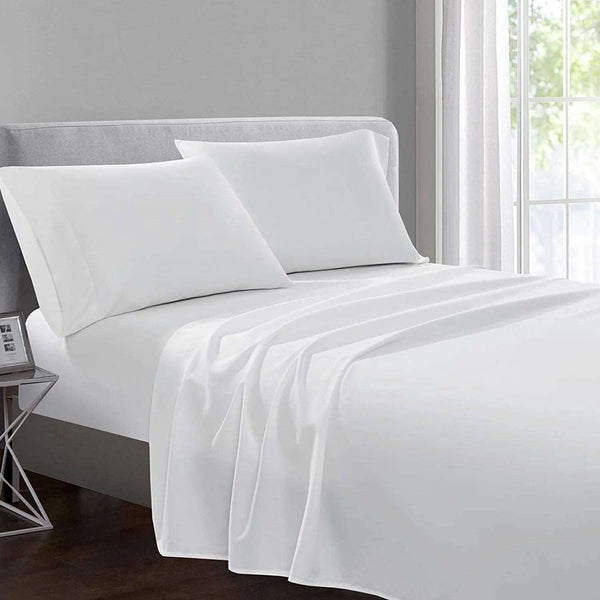
What Happens If You Don’t Change Your Sheets Regularly

Many people underestimate the consequences of ignoring how often should you change your sheets. Let’s look at the real risks.
Health Risks of Poor Bedding Hygiene
Skin infections and irritation
Unwashed sheets can cause:
- Acne breakouts
- Rashes
- Folliculitis (inflamed hair follicles)
Why bacteria thrive in bedding
Bacteria thrive in bedding because warm, slightly damp conditions are perfect for growth. When sweat mixes with dead skin cells, it creates an ideal food source for microbes. Over time, this build-up can lead to odours, irritation, and reduced freshness if sheets aren’t washed regularly.
Respiratory issues
Dust mite waste and other allergens in bedding can irritate the respiratory system. Exposure to these particles may trigger asthma attacks, sinus congestion, or other breathing difficulties. Regularly washing sheets helps reduce these risks and keeps your sleep environment healthier.
Impact on children and elderly
Children and the elderly are more sensitive to allergens and bacteria in bedding. These groups may experience stronger reactions, such as skin irritation, respiratory issues, or increased allergy symptoms, making regular sheet washing especially important for their health and comfort.
Sleep Disruption and Mattress Damage
Neglecting how often to wash bed sheets allows sweat, oils, and bacteria to accumulate, causing unpleasant odours. Over time, this build-up can transfer bacteria back to your skin and mattress, reducing hygiene and overall comfort. Regular washing keeps your bed smelling fresh and clean.
Why smell affects sleep
Unpleasant odours in your bedding can subconsciously signal your brain that the environment is unclean or uncomfortable. This can make it harder to relax and fall asleep, affecting sleep quality. Keeping sheets fresh through regular washing helps promote a more restful and hygienic sleep environment.
Long-term impact on your king bed frame and mattress
Moisture and bacteria can seep through sheets into your mattress.
Financial consequences
- Reduced mattress lifespan
- Permanent staining
- Odour retention
Protect your investment
Understanding how often should you change your bedding protects not only your health but your furniture investment as well.
UK Bedding Washing Habits – What Do Most People Actually Do

There’s often a gap between expert advice and real-world behaviour. So how often do Brits really change their sheets?
How Often Do Brits Really Change Their Sheets?
Survey insights and trends
Various UK surveys suggest many people wash their sheets every two to three weeks — longer than recommended hygiene standards.
Why the gap exists
- Busy lifestyles
- Underestimating bacteria growth
- Cold weather misconceptions
Reality check
Even if sheets look clean, invisible build-up continues daily.
Common hygiene myths
“If I shower before bed, I don’t need to wash weekly.”
False — your body still sheds skin and sweats.
“Winter means less washing.”
Incorrect — indoor heating increases dust mite survival.
Clarifying the confusion
If you’re searching online for how often should u change bed sheets, trust health-based recommendations rather than habits.
Why Many Households Wash Sheets Less Often Than Recommended
Common reasons include:
- Lack of awareness about how often should bedding be changed
- Limited spare sheet sets
- Misunderstanding hygiene risks
The solution: preparation
Own multiple sheet sets
Having at least two high-quality sets makes rotation easier.
Choose easy-care fabrics
Durable cotton sheets from Dtex Homes are designed for frequent washing without losing softness.
Long-term benefit
Investing in premium bedding reduces the stress of maintenance while improving comfort and hygiene.

How Often Should You Change Your Bedding in Special Situations
While the general rule for how often should you change your bed sheets is weekly, certain life situations require stricter hygiene routines. In these cases, adjusting your bed sheet changing frequency protects your health, your mattress, and your overall sleep environment.
During Illness
During illness, whether it’s a cold, flu, or other infection, your bedding can quickly become a hotspot for germs. Understanding how often should you wash your bedding is essential to prevent the spread of bacteria and viruses to other family members. Frequent washing helps maintain a clean, hygienic sleep environment and supports faster recovery.
Preventing reinfection
Viruses and bacteria can survive on pillowcases, fitted sheets, and duvet covers for hours or even days. Regularly washing your bedding prevents these germs from lingering and reduces the risk of reinfection for you or other household members. This simple habit is key to maintaining a healthy and safe sleep environment.
Recommended washing frequency during illness
- Change pillowcases daily
- Wash full bedding every 2–3 days
- Disinfect frequently touched surfaces
Trusted health advice
The NHS guidance on preventing germs highlights the importance of washing fabrics at appropriate temperatures to reduce contamination.
Washing temperature guidance
If you're asking how often should bed sheets be washed during illness, temperature matters as much as frequency.
Best practice
- Wash at 60°C or higher when fabric allows
- Use a quality detergent
- Dry thoroughly before reuse
Protecting your bedding investment
High-quality cotton sheets from Dtex Homes are designed to withstand frequent high-temperature washing without losing comfort or durability.
For Children and Teenagers
Children and teenagers often need more frequent bedding changes because of their active routines and natural body changes. Increased sweating, oily skin, allergies, or occasional accidents can cause sheets to get dirty faster. Keeping a regular washing schedule helps maintain better hygiene and supports healthier, more comfortable sleep for growing bodies.
Bed wetting considerations
For younger children, accidents mean immediate washing is essential.
Protective measures
- Use waterproof mattress protectors
- Keep spare sheet sets ready
- Wash sheets promptly at 60°C
Why mattress protection matters
Regular washing combined with protective layers helps extend the life of both your mattress and your king bed frame.
Teen skin and hygiene
Teenagers often experience increased oil production and acne. If parents are wondering how often should I change my bed sheets for teens, the answer may be every 5–7 days.
Pillowcase priority
Encourage changing pillowcases every 3–4 days to reduce skin irritation.
Long-term hygiene habits
Teaching teens proper how often to wash sheets routines builds lifelong hygiene awareness.
Guest Rooms and Spare Bedding
Guest bedding hygiene is often overlooked. Many people ask, how often should you change your sheets on your bed if it’s rarely used?
Before and after guest stays
Before guests arrive
- Always use freshly washed sheets
- Air out the mattress
After guests leave
- Wash all bedding immediately
- Check for stains or odours
The Best Way to Wash Bed Sheets Properly

Knowing how often should you wash your bed sheets is only half the equation. Washing them correctly ensures proper hygiene while protecting fabric quality.
Ideal Washing Temperature for Bed Linen in the UK
Cotton sheets
Cotton sheets are durable, breathable, and soft, making them perfect for frequent washing. Their natural fibres allow airflow, help regulate temperature, and withstand repeated cleaning without losing comfort, making them ideal for maintaining a clean and hygienic bed.
Recommended temperature
- 40°C for routine washing
- 60°C for deep cleaning
Why cotton performs best
Premium cotton sheets for bedding allow airflow and tolerate repeated washing — ideal for maintaining recommended bed sheet changing frequency.
Microfibre and blended fabrics
Microfibre and blended fabrics are softer and lightweight, but they often require lower washing temperatures to prevent damage. While they’re easy to care for, frequent high-heat washes can shorten their lifespan, so following care instructions ensures your bedding stays comfortable and long-lasting.
How Often Should Bed Sheets Be Washed at 60°C
If you’re searching how often should you wash bed linen at higher temperatures, here’s a practical breakdown:
General hygiene
Every 2–3 weeks at 60°C for deep sanitation.
Allergy sufferers
Weekly at 60°C to reduce dust mites.
Balancing fabric care
Alternate between 40°C and 60°C washes to extend sheet lifespan.
Drying Tips to Kill Germs and Dust Mites
Tumble drying vs line drying
Tumble drying
- High heat kills remaining bacteria
- Reduces dust mite survival
Line drying
- UV rays naturally disinfect
- Eco-friendly option
Best approach
Whenever possible, combine thorough washing with complete drying before placing sheets back on your bed.
Winter drying in UK homes
Indoor drying during damp winters may slow the process.
Preventing musty odours
- Ensure proper ventilation
- Use dehumidifiers if necessary
How to Keep Your Bed Sheets Cleaner for Longer
Maintaining freshness between washes helps manage how often should you change bedding while preserving sheet quality.
Daily Habits That Extend Freshness
Showering before bed
One of the easiest ways to stay fresh is by taking a shower before going to bed. It helps wash away sweat, dirt, and oil that build up during the day. You’ll feel clean, relaxed, and more comfortable while you sleep.
Why it works
Removes sweat, oils and pollutants that would otherwise transfer to sheets.
Hygiene improvement tip
This habit alone can slightly reduce how often you feel the need to change sheets — though weekly washing remains ideal.Letting your bed air out
Don’t make your bed immediately after waking.
Morning ventilation strategy
- Pull back the duvet
- Open windows briefly
Why airflow matters
Reducing trapped moisture limits bacterial growth.
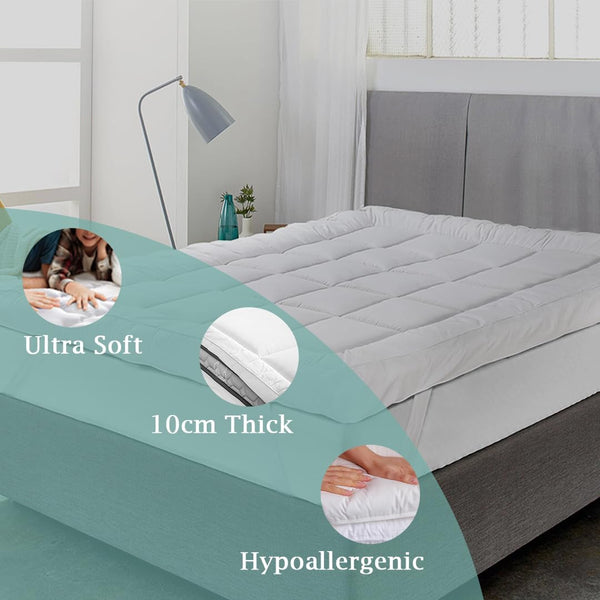
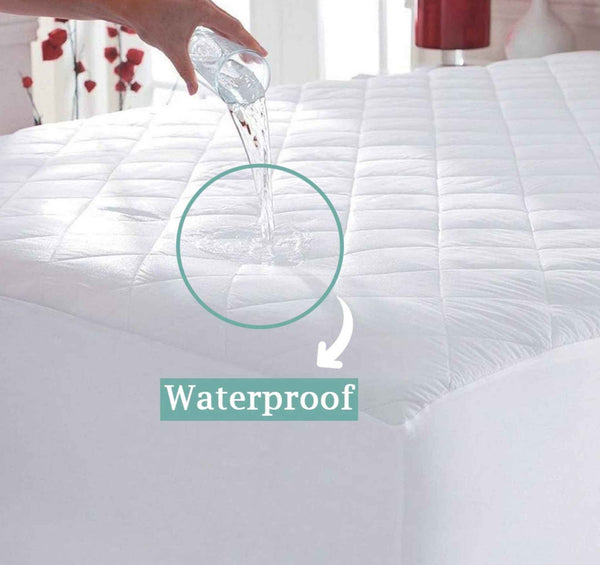
Mattress Protectors and Pillow Protectors
Why they reduce bed sheet changing frequency
Protectors act as a barrier between your body and mattress.
Benefits
- Absorb sweat
- Prevent stains
- Extend mattress lifespan
Long-term value
Using protectors helps manage how often should you change your bed linens while protecting your investment.
Easy-care bedding solutions
Choosing high-quality, breathable bedding simplifies maintenance.
Why quality matters
Premium cotton sheets from Dtex Homes (UK) are designed for durability, comfort, and easy washing — supporting healthy sleep in UK households.
Final hygiene reminder
Whether you're asking how often should I wash my bedding, how often change sheets, or how often should bedding be washed, the consistent expert-backed answer is clear: clean sheets are essential for better sleep, stronger hygiene, and long-term mattress care.


