




Practical UK workplace guide • Dtex Homes
Biscuits, crisps, filling snacks, tea and coffee—plus a practical way to plan quantities, control costs and keep the cupboard organised.
A well-stocked office snack cupboard does not need to be expensive or complicated. It needs a sensible mix of choices, a clear restocking routine and enough food for the people who actually work on-site. This office snack cupboard checklist for UK teams of 10–30 gives office managers, team leaders and small-business owners a straightforward place to start.
Whether your workplace is in Manchester, London, Birmingham or elsewhere in the UK, the same questions come up: How many snacks should you order? Are large multipacks worth it? What about dietary needs, storage, tea and coffee? Below is a practical system for getting started—and changing it once you know what your team likes.
Quick office snack cupboard checklist
If you are setting up a new staff kitchen, start with a small range rather than buying large quantities of everything at once. The following shopping list covers the everyday essentials; not every workplace needs every item.
- Individually wrapped biscuits or mini cookie packets
- A selection of savoury crisps or other single-serving snacks
- A modest supply of chocolate or sweet treats
- One or two more filling options, such as plain porridge sachets or suitable cereal bars
- Fresh fruit where someone can manage frequent deliveries and checks
- Clearly labelled options that meet known dietary and allergy requirements
- Tea bags, instant coffee and an optional decaffeinated choice
- Hot chocolate for staff who prefer a different warm drink
- Fresh drinking water and suitable milk or alternatives, stored correctly
- Clean mugs, spoons, a lidded bin, wipes and sealed storage
- A simple weekly stock sheet and a nominated person responsible for replenishment
If you need multipacks and drinks in one place, browse the Dtex Homes Daily Essentials collection. Choose what your staff will use, rather than assuming the largest pack must offer the best value.
How many office snacks should you stock for 10, 20 or 30 people?
There is no universal snack allowance for a UK workplace. A team of 30 that comes in twice a week may use fewer cupboard snacks than a team of 15 in the office five days a week. Start with on-site attendance, not total payroll headcount.
A practical first-week estimate
For a starter plan, assume 0.6 packaged snacks per person per on-site day, across a five-day working week, then allow a small 20% buffer. This is a planning assumption—not a nutritional recommendation or measured UK workplace average. Fresh fruit and drinks are calculated separately.
| Regularly on-site staff | Base snacks/week (0.6 × 5 days) | With a 20% buffer | First-week approach |
|---|---|---|---|
| 10 people | 30 | 36 portions | Offer 3–4 choices and count what is used |
| 20 people | 60 | 72 portions | Offer 4–5 choices; refill midweek if needed |
| 30 people | 90 | 108 portions | Offer 5–6 choices with a clear weekly reorder point |
Example calculation: 20 staff × 5 days × 0.6 = 60 snacks. Add 20% (12) = 72 portions for the week. Round up to available multipack sizes, but carry unused sealed stock into the next week rather than opening everything.
Suggested mix of packaged snack portions
| Type of snack | 10 people | 20 people | 30 people |
|---|---|---|---|
| Biscuits / mini cookie packets | 15 | 30 | 44 |
| Savoury snacks / crisps | 12 | 22 | 34 |
| Chocolate biscuit bars / occasional treats | 6 | 14 | 20 |
| Alternative or filling packaged snacks | 3 | 6 | 10 |
| Weekly total | 36 | 72 | 108 |
This table is a starter mix, not a rule. Some teams prefer more savoury snacks and fewer sweets; others hardly touch the biscuits. Ask staff for preferences and compare them with actual usage after two to four weeks. Do not count porridge as a like-for-like substitute for every snack, as it is often eaten as breakfast.
What if the office uses a hybrid schedule?
Count only expected office days. For example, 20 employees attending an average of three days rather than five gives 60 on-site staff-days per week. At 0.6 snacks per staff-day, that is 36 portions before a buffer, or roughly 44 after a 20% allowance. If your staff bring snacks or food is provided at meetings, the real number may be lower.
Tip: Keep sealed spare stock in a back cupboard and put out a smaller selection every day or two. You will see which items go first without having to replace every open display at once.
What snacks should an office cupboard have?
1. Biscuits and individually wrapped mini packs
Biscuits are an easy starting point for many British office kitchens because they pair naturally with tea and coffee. Individually packed portions are especially handy in shared spaces: colleagues can take one serving, the remaining packets stay sealed and the office manager can count what is left.
For a larger workplace, a box such as Walkers assorted mini biscuit packets (100 x 25g) can be divided between the kitchen cupboard and reserve stock. Remember that a pack of 100 means 100 individual portions; it does not mean the office should get through the whole box in one week.
2. Crisps and savoury options
Not everyone wants a sweet snack in the afternoon. Make room for individually packed crisps or other savoury options in at least two flavours. Walkers 66-pack classic crisp assortment is one example of a ready-counted box; Walkers 60-pack mixed snack box offers a different combination of familiar products. Keep strong flavours and heavily crinkling packets away from meeting spaces where noise or odour might matter.
Different flavours in the same multipack can have different ingredients. Check individual packet labels rather than assuming every packet is suitable for vegetarian, vegan or allergy-restricted colleagues.
3. Sweet treats in sensible quantities
Chocolate biscuits and bars can be a welcome treat, but an entire cupboard of sweets will leave little choice for staff who want something different. A smaller sweet section works well alongside savoury snacks, fruit and filling options. Dtex Homes' Nestlé KitKat & Friends Big Biscuit Box (69 bars) is an example of a shareable, individually wrapped assortment.
4. More filling options
Choose a couple of products for colleagues who miss breakfast or want something that feels more substantial. Plain porridge sachets, unsweetened options and appropriately labelled snack bars can give the cupboard a wider range. Quaker Oat So Simple Original (60 sachets) works for a workplace with access to clean hot water or a suitable microwave. Provide clear instructions and avoid treating it as a complete meal service.
5. Fresh options when your facilities allow
Fruit such as apples, bananas and satsumas can broaden the choice, but buying it in bulk is only sensible if you can check it, replace bruised items and avoid waste. Start with a small bowl, watch which fruit disappears and restock more often rather than piling up a week's supply in a warm kitchen. If you keep chilled items such as yoghurt, provide adequate refrigeration, date checks and cleaning routines.
6. A variety of choices—not a cupboard full of one product
A useful way to build the first order is to include a familiar sweet choice, a familiar savoury choice, a filling choice and a suitable alternative based on your team's dietary needs. Once the cupboard is in use, you can replace slow-moving products with options that people actually ask for.
Don't forget tea, coffee and office drinks
In many UK workplaces, hot drinks are used more consistently than packaged snacks. Treat drink planning as a separate task. As a simple starting estimate, allow one tea or coffee serving per on-site person per day—then adjust once you know the office's habits. A team of 20 could use around 100 hot drink servings in a five-day week under that assumption, split between tea and coffee rather than 100 of each.
Tea and coffee essentials
- Regular tea bags and, if colleagues want them, decaffeinated or herbal alternatives.
- Instant coffee or the beans/pods that suit the equipment you already own.
- Milk and plant-based alternatives as appropriate, refrigerated and clearly labelled.
- Sugar and optional sweeteners in clean, dry containers.
- A kettle or other appropriate hot-water equipment, with a safe, clear preparation area.
- Clean cups, spoons, a bin, dishwasher or washing-up supplies.
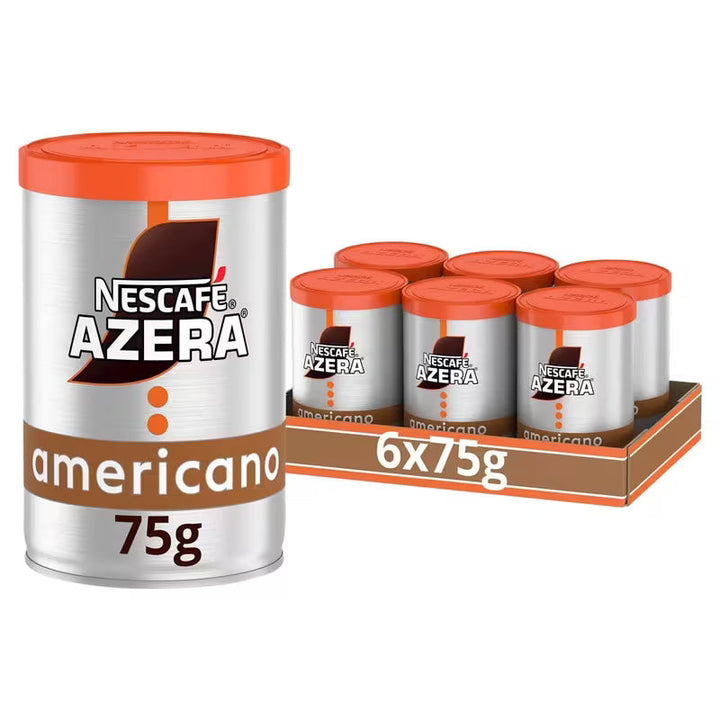
For ordering, Tetley One Cup tea bags in a large 1,100-pack may suit an office with heavy, regular tea consumption, while Nescafé Azera Americano 6 x 75g offers a way to replenish instant coffee in smaller containers. There is no need to buy a catering pack immediately if your team only uses a few cups daily.
Hot chocolate as an occasional alternative
Cold or wet days can make a hot chocolate option popular. Options Belgian Hot Chocolate 1kg is a product to consider, but confirm the serving instructions, ingredients and current availability on its product page. Keep all powdered drinks sealed, dry and away from steam from the kettle.
Stock drinks based on cups—not packet counts
A 1kg tin, six 75g tins and a box of tea bags all represent different numbers of drinks. Work from the manufacturer's stated serving size and what your team actually drinks. Keep a spare unopened pack only when you have room and a realistic plan to use it.
Product shown: Nescafé Azera Americano, 6 x 75g.
Office snack and drink ideas from Dtex Homes
These products can help you build a basic workplace order. They are examples of the pack sizes available through Dtex Homes, not a fixed shopping basket that every team needs to purchase. Check each listing for current stock, varieties and ingredient information.
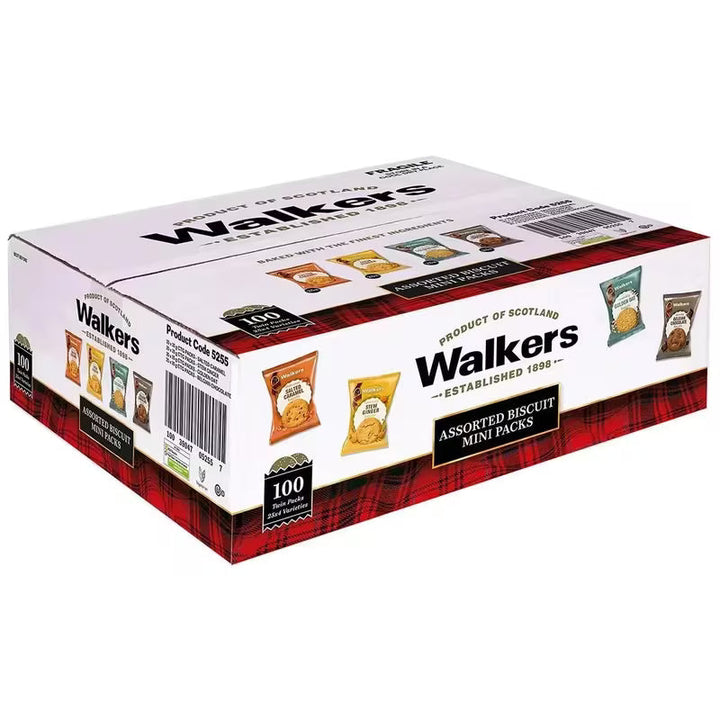
Walkers Assorted Mini Biscuit Packets — 100 x 25g
Individually packed biscuits make it easier to count portions and keep the remaining stock sealed.
See product & availability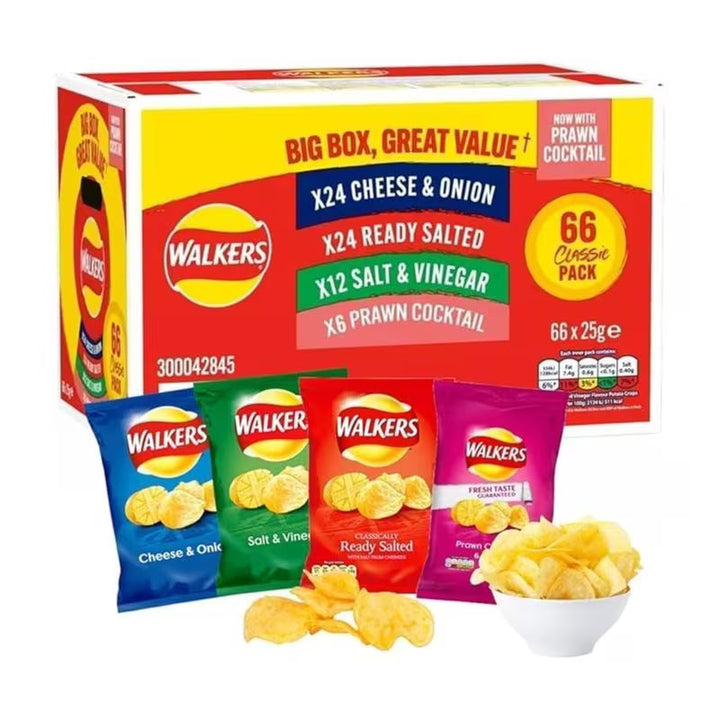
Walkers Classic Crisps Variety Box — 66 x 25g
A mix of familiar crisp flavours in individual 25g bags, useful for a shared savoury section.
See product & availability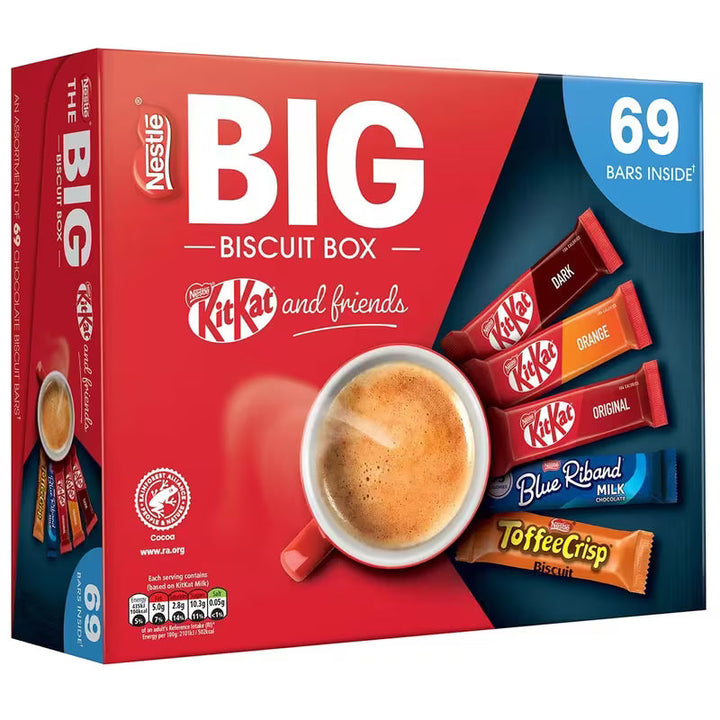
Nestlé KitKat & Friends Big Biscuit Box — 69 Bars
Individually wrapped chocolate biscuit bars for the occasional sweet option; check the flavour and allergen mix.
See product & availability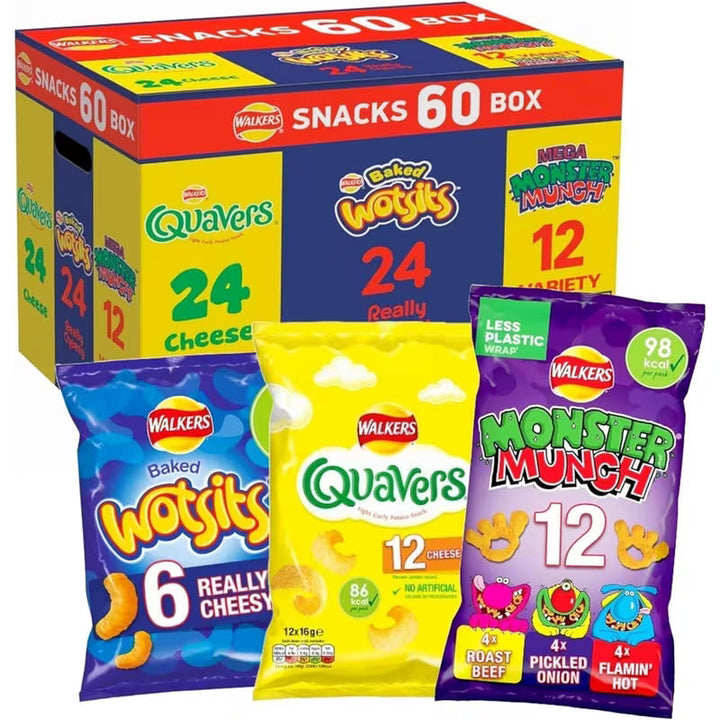
Walkers Snack Variety Box — 60 Packs
A different savoury mix with Quavers, Wotsits and Monster Munch; compare the ingredients across flavours.
See product & availability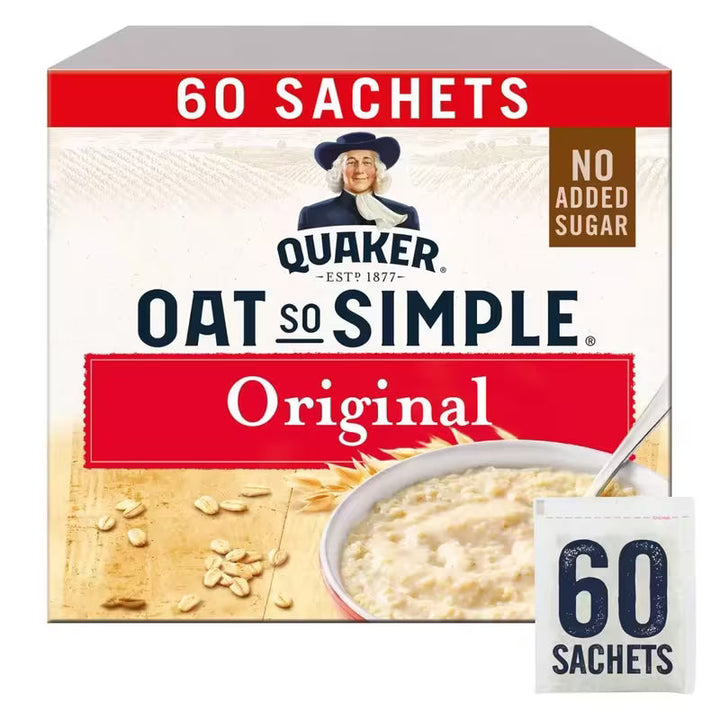
Quaker Oat So Simple Original — 60 Sachets
A practical alternative to sweets for a team with access to hot water or a suitable kitchen.
See product & availability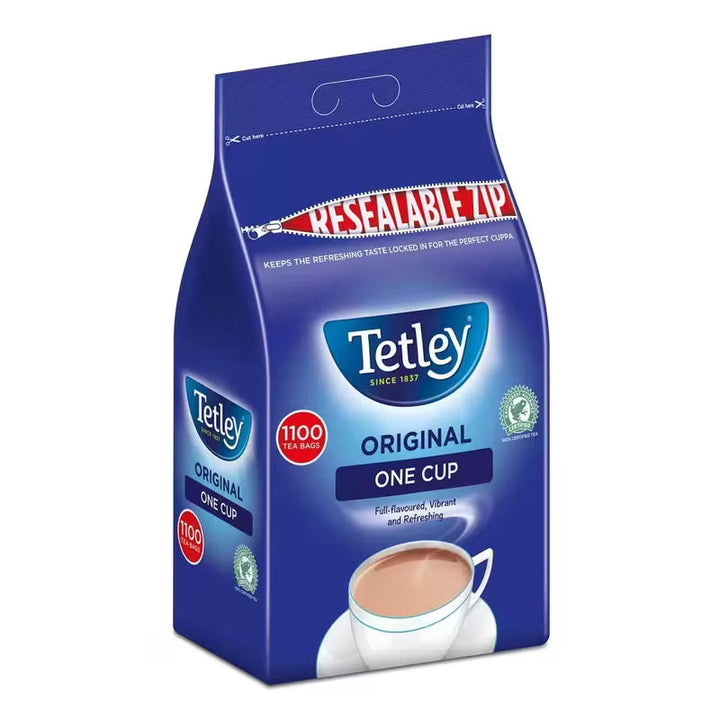
Tetley One Cup Tea Bags — 1,100 Pack
A large catering-size option for tea-heavy workplaces; assess consumption and storage before buying.
See product & availabilityNescafé Azera Americano — 6 x 75g
Six smaller packs may be easier to store and open gradually than one very large container.
See product & availability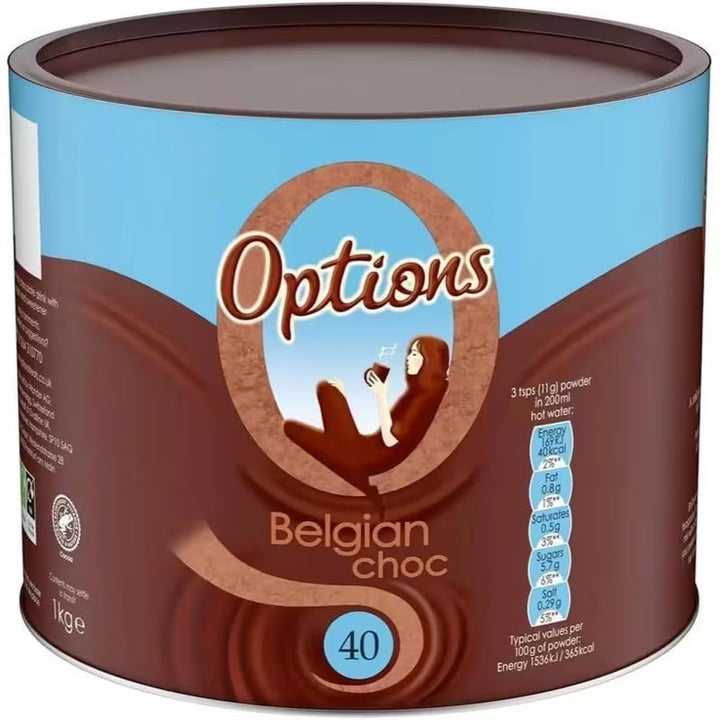
Options Belgian Hot Chocolate — 1kg
An optional warm drink for people who do not want tea or coffee; check the current pack instructions.
See product & availabilityFor more choices—including other biscuits, crisps, chocolates, tea and coffee—explore Daily Essentials at Dtex Homes. If a specific product is unavailable, choose a comparable pack by portion count and ingredients rather than assuming it is in stock.
How to budget for an office snack cupboard without overspending
Calculate cost per portion, not just price per box
A larger multipack might offer a lower cost per packet, but only if the office uses it before the best-before date and staff actually like the contents. Divide the pack price by the number of usable individual servings. For example, a hypothetical £18 box containing 60 packets costs 30p per packet. If your team uses 72 packets a week, that is £21.60 in packaged snacks at that example rate—before fresh fruit, milk, tea, coffee or cleaning supplies.
That is an illustration, not a Dtex Homes price quote. Product prices and availability can change. Always check the actual product page and compare like-for-like portions: a 16g savoury snack is not the same size as a 25g packet.
Set a monthly allowance based on attendance
Start with an amount the business is comfortable spending, then review the real total after a month. Keep separate lines in the budget for packaged snacks, fresh food, hot drinks, milk and sundries. If most staff are in only two days a week, base your allowance on those days rather than assuming full attendance.
Avoid four common buying mistakes
- Buying only the cheapest product: unpopular flavours can remain untouched.
- Opening every multipack: this makes freshness and stock counting harder.
- Ignoring pack sizes: treat each individually wrapped packet as one portion and check weights.
- Over-ordering fresh food: fresh stock needs closer monitoring than sealed snacks.
Example starter baskets for teams of 10–30
The table below is a first-order illustration, not a weekly consumption requirement. Many listed multipacks contain more than a single week's snack allowance, so keep surplus stock sealed for future weeks.
| Team | Simple starter order | How to manage it |
|---|---|---|
| 10 people | One multipack of savoury snacks, one multipack of biscuits or bars, a small filling option and drinks | Put out part of each box, review weekly and avoid opening every packet type |
| 20 people | One 100-packet biscuit box, one 60–66-packet savoury assortment, a small alternative and drinks | Keep reserve stock in a dry cupboard and track the weekly drawdown |
| 30 people | Two complementary snack multipacks, one sweet or biscuit-bar box, filling alternatives and suitable hot drinks | Use the 108-portion weekly estimate only to decide how quickly the initial stock may run out |
Dietary preferences, allergens and workplace food safety
A shared office cupboard should be welcoming, but it also needs sensible controls. Before you order, ask colleagues if there are dietary or allergen requirements they would like the office manager to accommodate. Do not ask staff to disclose private health information publicly or label products as safe for someone without checking the exact ingredients.
Keep ingredient and allergen information accessible
Leave packaged food in its original wrapper wherever possible. If you transfer items to a clear display box, keep the original packaging and allergen details nearby. Common allergens in snacks can include milk, wheat/gluten-containing cereals, nuts, peanuts and soya, but the actual information varies by product and flavour. Check the manufacturer's current packaging, including precautionary statements.
Separate suitable alternatives and avoid cross-contact
If a colleague has a serious allergy, follow your workplace's agreed procedure. Avoid loose shared nut bowls or transferring unwrapped items into mixed jars where ingredients cannot be identified. A product described as vegetarian, vegan or 'free from' should only be offered on that basis when its current label supports the claim. A workplace should not promise an allergen-free environment without appropriate controls.
Store food safely
- Store sealed ambient snacks in a cool, dry cupboard away from heat, moisture and cleaning chemicals.
- Keep food away from sinks, bins and areas where spills or pests may be an issue.
- Follow date labels, storage instructions and product-specific information.
- Refrigerate milk and chilled foods properly and clean the fridge regularly.
- Clean worktops, mugs and reusable containers; ask colleagues to wash their hands before handling shared food.
For small teams, a few labelled shelf sections and a weekly check are often more useful than an elaborate snack station.
How to organise the office snack cupboard
Give each category a shelf
Keep biscuits, crisps, filling snacks and hot drinks separate. Put the most frequently used items where staff can reach them without moving unopened cartons. Store backups on a clearly marked 'reserve' shelf so nobody assumes the cupboard is empty after the display basket runs out.
Use older stock first
When deliveries arrive, check packaging and best-before dates, then place the older stock at the front. Do not mix old loose food with a new batch. A simple date note on the outer carton can help the person restocking know what to use first.
Make drinks accessible but tidy
Place tea, coffee and sugar near the kettle, with milk in the fridge. Keep paper packaging away from wet worktops. Set out a cloth or wipe so spills are dealt with quickly and mugs do not build up throughout the day.
Respect shared-office preferences
Some staff prefer a quiet kitchen, dislike strong food smells or need a nut-aware policy. A sign showing where ingredients are stored, where to leave feedback and who handles orders can prevent repeated questions without making the kitchen feel rule-heavy.
A simple weekly office snack restocking routine
Choose one cupboard owner and one backup person. The aim is not to police anyone's snacking; it is to avoid empty tea tins, wasted packets and unnecessary last-minute orders.
Monday: check what is already available
Count unopened multipacks, visible packets, tea and coffee. Check any fresh fruit, milk and dated products. Refill the front baskets from reserve stock before placing a new order.
Midweek: look for fast-moving choices
If savoury options are nearly gone but sweet biscuits remain, make a note to rebalance next time. Check whether an unusually busy meeting day or event explains the higher usage.
Friday: record consumption and plan the next delivery
Estimate the number used in each category and record what needs restocking. Keep the list short enough that someone can complete it in about 10–15 minutes. When the team grows, adapt the reorder threshold instead of buying the same quantities forever.
Restocking formula: Next order = expected use until your next delivery + a sensible reserve − usable stock already on hand. For example, if you expect to use 72 portions, want 12 in reserve and already have 40, order roughly 44 additional portions—rounded to practical pack sizes.
Printable office snack cupboard checklist
- Count biscuits, crisps, treats and filling snacks separately
- Check labels, packaging condition and date marks
- Check fruit, chilled items and milk
- Replenish tea, coffee, hot chocolate and sugar
- Clean shelves, counters and containers
- Put older stock in front of newer deliveries
- Record any dietary requests or unavailable favourites
- Place an order only for the remaining requirement
Common office snack cupboard mistakes to avoid
Assuming every employee is in five days: Hybrid attendance changes the number of servings required. Count expected on-site days instead.
Stocking only chocolate: Some colleagues prefer savoury or filling snacks, and some will not want anything sugary. Offer a realistic variety without turning the cupboard into a full café.
Forgetting the basics: A cupboard full of crisps does not help when the kettle has no tea bags or the kitchen has no clean mugs.
Ignoring allergen information: Loose mixed containers can make it difficult to identify ingredients. Keep original packets and follow appropriate workplace arrangements.
Buying huge packs before testing demand: Start with a manageable selection and repeat what people use. Bulk purchasing is useful only when the products are actually consumed.
Office snack cupboard FAQs
What should be in a UK office snack cupboard?
Begin with individually wrapped biscuits, a few savoury snack options, a modest sweet choice, a filling alternative, fresh fruit where practical, and hot drinks. Add dietary-specific choices based on the actual needs of colleagues, not guesswork.
How many snacks should I buy for 10 employees?
For ten people in the office five days a week, 36 packaged snacks per week is one reasonable starting estimate using 0.6 snacks per person per day plus a 20% buffer. Monitor usage and adjust. Drinks and fruit are planned separately.
How many snacks do I need for an office of 20?
A starter estimate is about 72 packaged portions over five on-site days, including a buffer. If staff work hybrid schedules or rarely use the cupboard, the real requirement may be far lower.
What should I stock for a team of 30 people?
Start with a mix of biscuits, savoury snacks, occasional sweet treats and a few filling options. Roughly 108 packaged portions can be used as a first-week planning estimate for 30 people attending five days; adjust after reviewing actual consumption.
Is buying office snacks in bulk cheaper?
It can reduce cost per portion and the number of orders, but only if the packets are used before their dates and the team likes the selection. Compare the price per serving, portion size, available storage and likely weekly demand.
What are good individually wrapped snacks for a shared office?
Mini biscuit packets, small crisp bags, individually wrapped chocolate biscuit bars and single-serving porridge sachets are practical examples. Keep packets sealed and retain ingredient information so staff can make informed choices.
How often should office snacks be restocked?
For a small workplace, a weekly stock check and a shorter midweek look is often enough. High-use kitchens may need more frequent replenishment. Order according to expected use, available stock and your supplier's delivery time.
Should an office provide healthy snacks as well as treats?
Providing a mix gives people more choice. If your team wants fresh fruit, plain porridge or less-sweet options, make room for them alongside familiar biscuits and crisps. Avoid treating any single food as suitable for everyone.
How should an office handle staff food allergies?
Keep original labels, do not mix unpackaged foods, follow the workplace's agreed allergen procedures, and check individual products and flavour variants. If a serious allergy is involved, arrange appropriate precautions rather than assuming a snack is safe.
Make your next office snack order easier
Start with a small, balanced selection and a realistic estimate for the people who actually come into the office. Once you know what gets eaten, restocking becomes simpler and waste is easier to avoid.
Explore the Dtex Homes Daily Essentials range for multipack crisps, biscuits, chocolate biscuit bars, porridge, tea, coffee and hot chocolate to suit your team's preferences.
Browse office snacks & drinks at Dtex HomesPack contents, ingredients and availability can change. Check the current product listing and packaging before ordering. Quantity and budget examples in this guide are editorial planning illustrations, not mandatory workplace standards.


